Friday, June 26, 2026
Soft tissue care is the targeted therapeutic treatment of muscles, tendons, ligaments, and fascia to relieve pain, restore function, and support recovery. Understanding why soft tissue care is essential starts with one fact: most chronic muscle pain and movement dysfunction trace back to mechanical and neurological problems in these tissues, not to bone or joint damage alone. Techniques like manual therapy, instrument-assisted soft tissue mobilization (IASTM), and myofascial release address those root causes directly. Skipping soft tissue care means treating symptoms while the underlying dysfunction continues to build.
Why is soft tissue care essential for muscle health?
Soft tissue care targets the structures that make movement possible. Muscles, tendons, ligaments, and fascia work together as a connected system. When one layer develops adhesions, scar tissue, or restricted circulation, the entire system compensates. That compensation creates new pain patterns, reduces range of motion, and raises injury risk over time.
Soft tissue therapy restores mobility and reduces muscle tension by breaking down adhesions and improving local circulation. Clinical evidence documents improved tissue elasticity and reduced nerve irritation after treatment. These are not temporary effects. Addressing the tissue directly changes how it functions and responds to load.
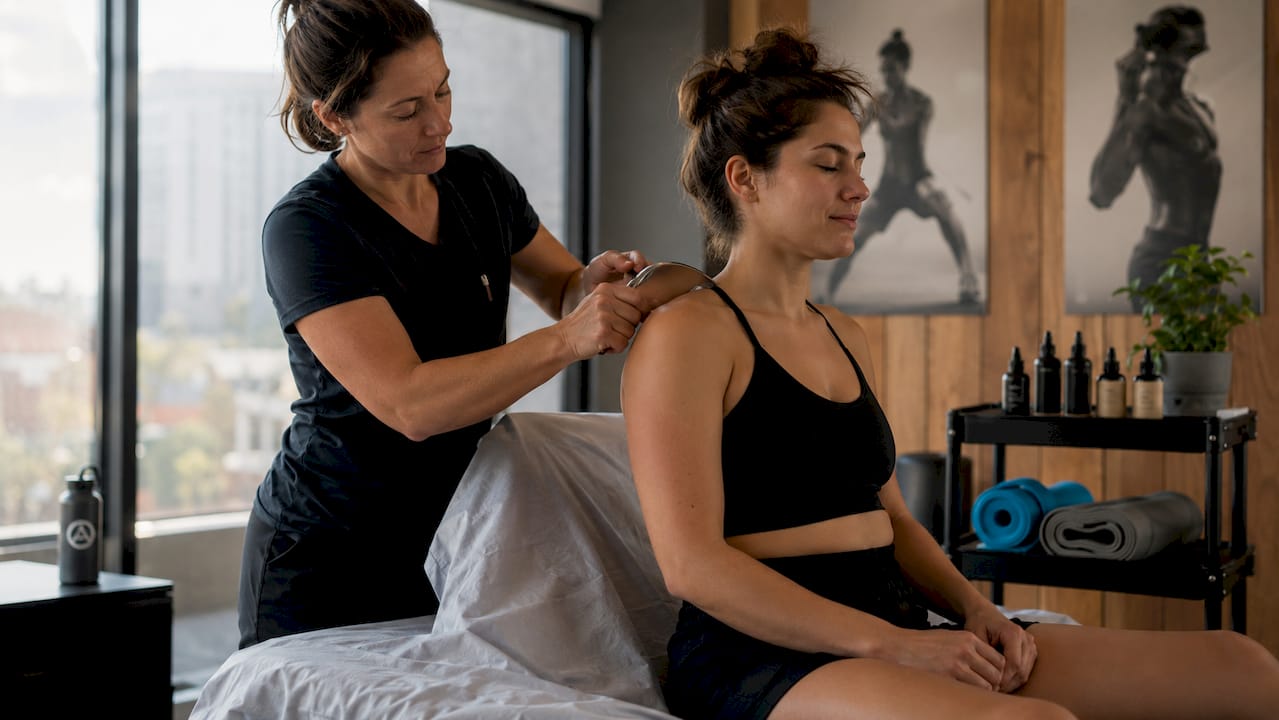
The importance of soft tissue care also extends to the nervous system. Proper manual soft tissue care activates the parasympathetic nervous system, lowering cortisol and facilitating healing. That neurological shift triggers endorphin release and reduces stress hormones, which improves both recovery speed and sleep quality.
What are the key methods used in soft tissue care?
Several distinct techniques fall under the soft tissue care umbrella, and each one targets different tissue layers and dysfunction types.
- Manual therapy: Hands-on techniques applied by a trained therapist to mobilize restricted joints and soft tissue. This includes deep tissue massage, joint mobilization, and soft tissue manipulation.
- IASTM (Instrument-Assisted Soft Tissue Mobilization): Specialized metal or plastic tools used to detect and treat fascial restrictions. IASTM reaches deeper tissue layers with more specificity than hands alone.
- Trigger point therapy: Direct pressure applied to hyperirritable spots in muscle tissue. Trigger point therapy releases localized tension and reduces referred pain patterns.
- Myofascial release: Sustained, low-load pressure applied to the fascial network. Myofascial release addresses chronic pain by releasing restrictions across broad tissue areas.
The key difference between clinical soft tissue care and a relaxation massage is intent. Relaxation massage reduces general tension and stress. Clinical soft tissue care targets specific dysfunctions, breaks down maladaptive tissue patterns, and prepares the body for functional movement. Therapists assess tissue quality, identify restrictions, and apply techniques with a clear therapeutic goal.
Pro Tip: When choosing a soft tissue therapist, ask whether they perform a movement or tissue assessment before treatment. A therapist who skips assessment is likely treating symptoms rather than causes.
How does soft tissue care improve pain relief and mobility?
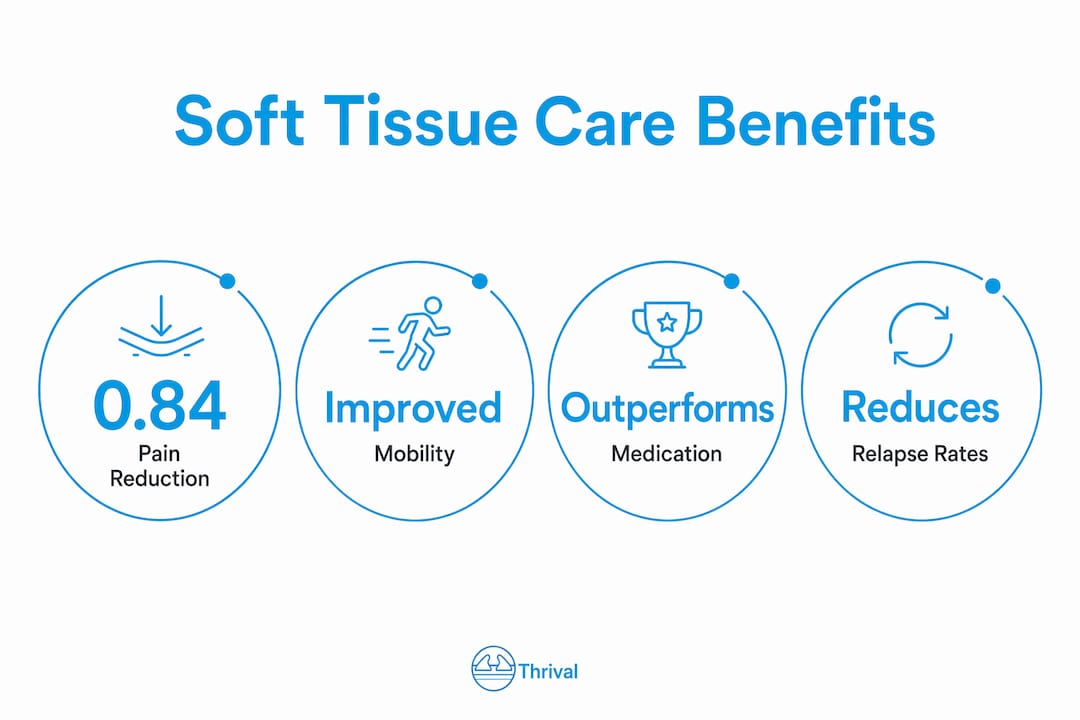
The clinical evidence for soft tissue care is strong and growing. A meta-analysis of 20 randomized controlled trials with 1,420 participants found that IASTM produced significant pain reduction (SMD of 0.84) and meaningful improvements in joint range of motion (SMD of 0.80) compared to control groups. Those numbers represent real, measurable outcomes across a large patient population.
| Outcome | Measure | Result |
|---|
| Pain reduction (IASTM) | SMD vs. control | 0.84 improvement |
| Range of motion (IASTM) | SMD vs. control | 0.80 improvement |
| TMJ dysfunction | Manual therapy vs. pharmacotherapy | Manual therapy superior |
| Chronic pain relapse | Therapy + self-care vs. symptom management | Reduced flare-up frequency |
Soft tissue therapy also outperforms medication for chronic musculoskeletal pain by addressing root mechanical and neurological causes. A study with 34 participants showed manual therapy improved TMJ dysfunction outcomes better than pharmacotherapy. Medication masks pain signals. Soft tissue care changes the tissue conditions that generate those signals.
The physiological mechanisms behind these results include scar tissue realignment, improved lymphatic drainage, and reduced nerve irritation. When adhesions break down, blood flow increases to the area. That increased circulation delivers oxygen and nutrients while clearing metabolic waste. The result is faster tissue repair and reduced inflammation without pharmaceutical intervention.
Consistent soft tissue therapy combined with active self-care reduces relapse rates in chronic musculoskeletal conditions. This shifts treatment from ongoing symptom management toward genuine long-term improvement.
Why is soft tissue care critical for athletes and active individuals?
Athletes place repeated mechanical stress on the same tissue structures. Without regular soft tissue maintenance, that stress accumulates as micro-damage, adhesions, and muscle imbalances. The result is overuse injuries, reduced power output, and slower recovery between training sessions.
Soft tissue care addresses these problems before they become injuries. The benefits for athletes include:
- Injury prevention: Regular treatment identifies and corrects tissue restrictions before they cause structural damage.
- Muscle balance correction: Tight, overactive muscles pull joints out of alignment. Soft tissue care restores balance between opposing muscle groups.
- Improved tissue readiness: Soft tissue care prepares tissues for effective rehabilitation exercise, improving exercise outcomes and the durability of recovery.
- Faster recovery between sessions: Reduced inflammation and improved circulation mean athletes can train at higher intensity with less downtime.
- Compensation pattern correction: Therapists identify and redirect maladaptive movement compensations that develop after injury or fatigue.
Effective soft tissue therapy targets mechanical and neurological drivers of dysfunction, not just symptom relief. For athletes, this means the goal is not simply feeling better after a session. The goal is changing how tissue responds to load so that performance improves and injury risk drops over time.
Pro Tip: Schedule soft tissue sessions 24–48 hours before a major training block, not immediately after. Pre-training treatment prepares tissue for load. Post-training treatment accelerates recovery. Both serve different purposes.
What practical steps help you incorporate soft tissue care into your routine?
Building soft tissue care into a weekly routine does not require daily clinic visits. The right approach depends on activity level, injury history, and specific tissue needs.
- Start with a professional assessment. A qualified therapist identifies which tissues are restricted, overactive, or compensating. That assessment guides every treatment decision and prevents wasted effort on the wrong areas.
- Set a realistic treatment frequency. For active individuals, one to two professional sessions per week during high-training periods is a practical starting point. Maintenance phases may require only one session every two to three weeks.
- Combine therapy with active self-care. Professional treatment works best when paired with targeted exercises that reinforce tissue changes. Stretching, mobility work, and strengthening exercises extend the benefits of each session.
- Start moving early after injury. Extended immobilization delays recovery by causing muscle atrophy and stiffness. Clinical guidelines encourage gentle mobility within 48–72 hours post-injury. Prolonged rest is not protective. It creates new problems.
- Use self-care tools between sessions. Deep tissue massage tools, foam rollers, and targeted release devices maintain tissue quality between professional appointments. Consistent daily use prevents adhesions from rebuilding.
Pro Tip: Learn to recognize early signs of tissue dysfunction: persistent tightness in one area, reduced range of motion on one side, or recurring soreness in the same spot after training. These signals indicate a restriction that needs attention before it becomes an injury.
A common misconception is that rest alone heals soft tissue injuries. Rest removes the stressor but does not restore tissue quality, circulation, or movement patterns. Progressive movement, guided by soft tissue care, produces better outcomes than passive recovery in almost every clinical scenario.
Key Takeaways
Soft tissue care is the most direct path from chronic muscle pain and dysfunction to lasting recovery and improved performance.
| Point | Details |
|---|
| Addresses root causes | Soft tissue care targets adhesions, circulation deficits, and nerve irritation, not just pain signals. |
| Strong clinical evidence | IASTM meta-analysis across 1,420 participants showed SMD of 0.84 for pain and 0.80 for range of motion. |
| Outperforms medication | Manual therapy produced better outcomes than pharmacotherapy for TMJ dysfunction in clinical trials. |
| Critical for athletes | Regular treatment prevents overuse injuries, corrects muscle imbalances, and prepares tissue for training load. |
| Early movement beats rest | Clinical guidelines support gentle mobility within 48–72 hours post-injury to prevent atrophy and stiffness. |
What I’ve learned after years of watching people skip this step
Most people treat soft tissue care as optional. They stretch when something hurts, rest when it gets worse, and reach for medication when neither works. That cycle is expensive, slow, and often ends in a more serious injury.
The research is clear: targeted soft tissue therapy produces measurable improvements in pain and function that passive rest and medication cannot replicate. But the clinical data is only part of the picture. What I find more telling is the pattern of who avoids injury and who does not. Athletes and active individuals who treat soft tissue care as a non-negotiable part of their routine consistently outperform those who treat it as a last resort.
The other thing worth saying plainly: professional soft tissue care is not a passive experience. It is clinical, targeted, and sometimes uncomfortable. If you leave a session feeling exactly the same as when you walked in, something is wrong. Effective treatment changes tissue. You feel that change.
The practical takeaway is this. Do not wait for pain to become severe before seeking treatment. Tissue dysfunction builds gradually. Catching it early, with regular professional sessions and consistent self-care between appointments, is far more effective than crisis management after an injury has already sidelined you.
— Cameron
Maintaining tissue quality between professional sessions is where most people fall short. Thrival builds tools specifically for that gap.
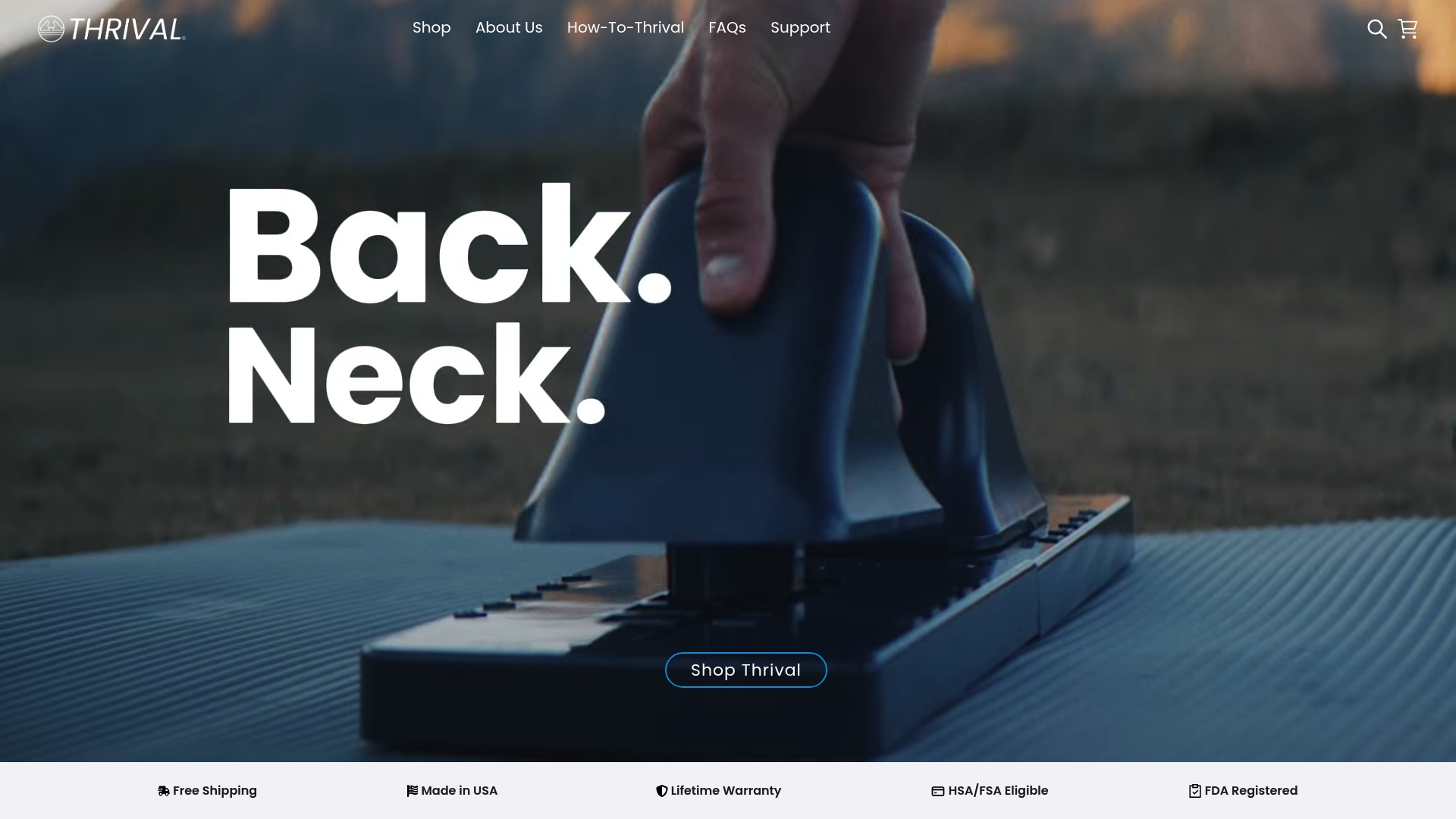
The Thrival Deep Tissue Pro is a non-motorized, US-manufactured recovery system built around a single base board with interchangeable attachments. The Thrival Wave, Bullseye, Arch, and Ballhead each target different muscle groups and tissue depths, from broad back release to pinpoint trigger point work on the hips, neck, and shoulders. The system is FDA-registered, backed by a lifetime warranty, and ships free. Paired with the Thrival app and guided routines, it gives you a professional-grade soft tissue care system you can use daily at home.
FAQ
What is soft tissue care?
Soft tissue care is the therapeutic treatment of muscles, tendons, ligaments, and fascia to relieve pain, restore mobility, and support recovery. It includes techniques like manual therapy, IASTM, trigger point therapy, and myofascial release.
How often should you get soft tissue therapy?
Active individuals benefit from one to two professional sessions per week during high-training periods. Maintenance phases typically require one session every two to three weeks, supplemented by daily self-care.
Is soft tissue care better than medication for pain?
Clinical evidence shows manual therapy outperforms pharmacotherapy for chronic musculoskeletal conditions by addressing mechanical and neurological causes rather than masking symptoms.
How soon after an injury should you start soft tissue care?
NHS clinical guidelines recommend gentle mobility within 48–72 hours post-injury. Extended rest causes atrophy and stiffness, which delays recovery rather than supporting it.
Can you do soft tissue care at home?
Yes. Self-care tools like deep tissue massage boards with targeted attachments maintain tissue quality between professional sessions. Consistent daily use prevents adhesions from rebuilding and extends the benefits of clinical treatment.
Recommended