Wednesday, July 22, 2026
Why prioritizing spinal health protects your mobility and well-being
Your spine is the structural foundation of everything you do physically. It holds you upright, absorbs impact, and houses the spinal cord, the communication highway between your brain and the rest of your body. When spinal health slips, the consequences go well beyond back pain. You risk reduced mobility, nerve damage, and long-term disability.
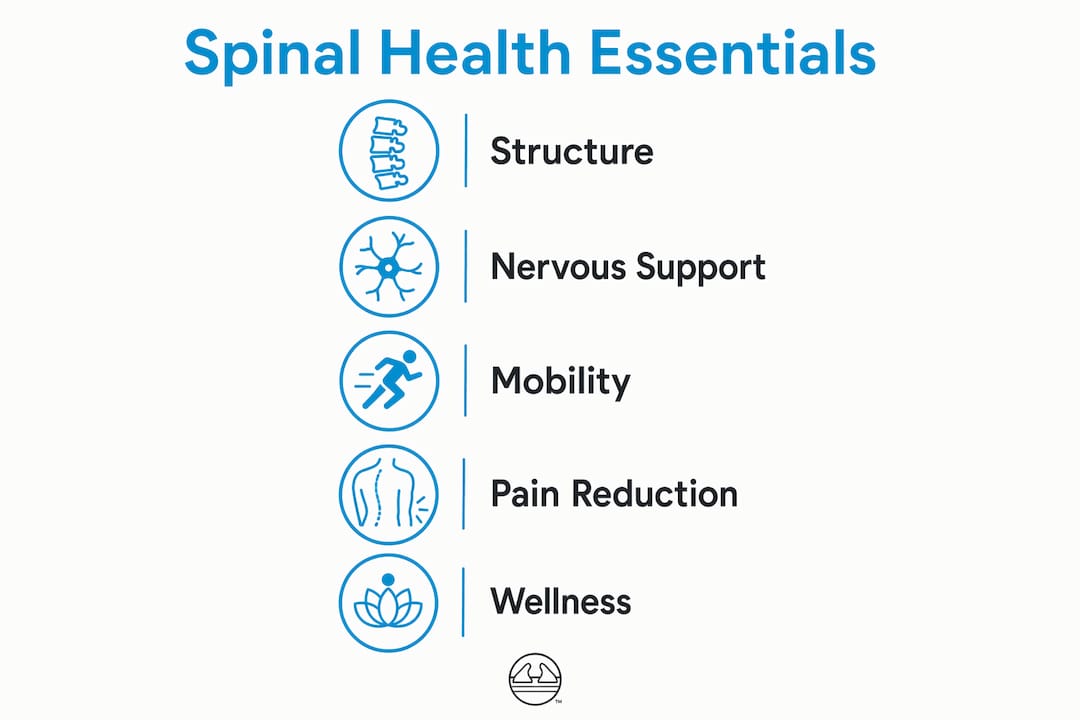
The core reasons to prioritize spinal health come down to five interconnected benefits:
- Structural support: The vertebral column supports the skull, ribs, and sternum, forming the axial skeleton that keeps you functional and upright.
- Nervous system protection: The spinal cord runs through the vertebral canal, and any compromise to that canal can disrupt movement, sensation, and organ function.
- Mobility and pain prevention: A strong, flexible spine lets you bend, lift, and twist without injury, reducing the risk of chronic pain conditions over time.
- Systemic health: Spinal nerve pathways influence organ function, meaning spinal issues can ripple into digestive, respiratory, and cardiovascular systems.
- Mental well-being: Chronic spinal pain is closely linked to anxiety and depression, so protecting the spine also protects your mental health.
Starting spinal care early keeps your treatment options broad and increases the likelihood of avoiding invasive procedures down the road.
How your spine supports your body and nervous system
The spine does two jobs simultaneously, and both are critical. First, it provides the mechanical framework that keeps you standing, moving, and absorbing physical load. Second, it protects the spinal cord and the nerve roots that branch out to every organ and limb.
The human spine consists of multiple vertebrae organized into five regions: cervical, thoracic, lumbar, sacral, and coccygeal. Between each vertebra sits an intervertebral disc that acts as a shock absorber. The spinal cord runs through the central canal formed by these stacked vertebrae, and at each level, nerve roots exit to supply specific muscles, skin regions, and organs. According to StatPearls via NCBI, spinal pathology can lead to radiculopathy, myelopathy, and chronic pain syndromes, all of which significantly impair quality of life and functional independence.
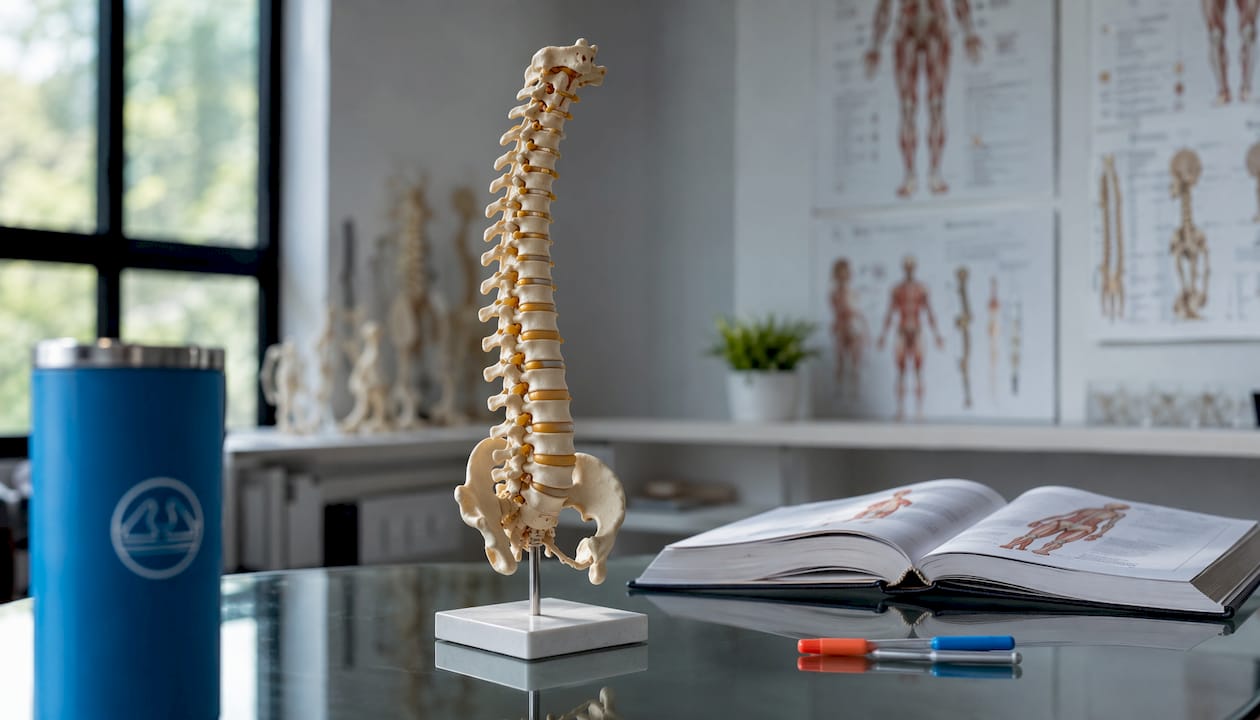
When a disc herniates or a vertebra shifts out of alignment, those exiting nerve roots get compressed. The result is not just local pain. You may experience numbness, weakness, or loss of reflexes in areas far from the injury site. Spinal cord injuries from trauma can cause paraplegia, a complete loss of motor and sensory function below the injury level. Even less severe spinal conditions, like stenosis or spondylolisthesis, can progressively narrow the canal and compress nerves over years. Understanding spinal alignment’s role in nerve health is the first step toward protecting it.
The spine’s relationship to organ function is often underestimated. Thoracic nerve roots influence the muscles involved in breathing and digestion. Lumbar and sacral nerves connect to bladder, bowel, and reproductive function. A healthy spine keeps those pathways clear and communication intact.
How spinal care preserves mobility and reduces pain risk
A well-maintained spine lets you move through a full range of motion without compensation or injury. When spinal structures weaken, surrounding muscles overwork to compensate, and that pattern accelerates wear and raises pain risk. The good news: targeted exercise and consistent movement reverse this cycle.
According to Harvard Health, physical therapist Eric L’Italien of Spaulding Rehabilitation Center explains that a stable spine is also more flexible, supporting a full range of natural movements. Healthier movement reduces pressure on the low back and lowers the risk of pain and injury. People who fear movement because of back pain often end up stiffer and in more pain, not less.
The Spine Health Foundation recommends a combination of healthy weight maintenance, core strengthening, and low-impact activities to preserve spinal wellness over time. Practical low-impact options that protect the spine while building strength and circulation include:
- Walking: Gentle, weight-bearing, and accessible at any fitness level.
- Swimming: Reduces compressive load on the spine while building core and back strength.
- Cycling: Builds leg and core strength with minimal spinal impact when posture is maintained.
- Yoga and Pilates: Improve flexibility, posture, and core stability simultaneously.
- Core-focused floor exercises: Curl-ups, bird-dogs, and side planks directly support spinal stability.
Neglecting spinal health leads to chronic pain conditions that affect work, sleep, and daily function. Cochrane reviews show that chronic low back pain, defined as pain lasting longer than 12 weeks, reduces quality of life and results in substantial medical expenses and lost productivity. Prevention through movement is far less costly than treatment.
Pro Tip: Movement through a stable spine reduces low-back pressure. If you have mild back pain, gentle daily walking often does more good than complete rest.
Spinal degeneration is a natural part of aging, but the rate and severity are strongly influenced by lifestyle choices made decades earlier. Understanding what changes occur, and why, gives you a clear target for prevention.
As the spine ages, intervertebral discs lose water content and height, reducing their ability to absorb shock. This process, called degenerative disc disease, can narrow the spaces where nerve roots exit, contributing to stenosis. Osteoarthritis, the most common form of arthritis, progressively erodes the cartilage in spinal facet joints. In advanced cases, it can compress spinal nerves and cause significant pain. Osteoporosis, characterized by bone demineralization, increases the risk of vertebral compression fractures, which can occur with minimal trauma. The United States Preventive Services Task Force recommends osteoporosis screening for all women aged 65 and older, as well as younger women with identifiable risk factors assessed using the Fracture Risk Assessment tool.
Several factors accelerate spinal wear beyond normal aging:
- Excess body weight: Increases compressive load on discs and facet joints, speeding degeneration.
- Sedentary lifestyle: Weakens core muscles that protect spinal structures during daily movement.
- Smoking: Reduces blood flow to discs, impairing their ability to absorb nutrients and repair.
- Repetitive heavy lifting: Accumulates micro-trauma in discs and ligaments over time.
- Prior spinal injury: Increases fracture risk and accelerates degenerative changes at the injury site.
Jefferson Health recommends DEXA scans for individuals at risk of bone loss and emphasizes that persistent back pain warrants medical evaluation rather than watchful waiting. Early detection of bone density loss or early-stage degeneration opens the door to conservative interventions that can meaningfully slow progression.
The long-term payoff of early spinal maintenance is substantial. People who build core strength, maintain a healthy weight, and stay active in their 30s and 40s tend to experience less severe degeneration in their 60s and 70s. The spine you have at 70 is largely the product of the habits you built at 40.
Everyday risks to your spine: posture, strain, and ergonomics
Most spinal damage does not come from a single dramatic injury. It accumulates gradually through daily habits that place repeated, low-grade stress on spinal structures. Poor posture, improper lifting, and inadequate workstation setup are the most common culprits.

Poor posture changes the load distribution across spinal discs and facet joints. Sitting with a rounded lower back for hours at a time increases intradiscal pressure in the lumbar region. Forward head posture, common among people who look down at phones or screens, shifts the effective weight of the head forward, placing extra strain on cervical vertebrae and the muscles that support them. Over months and years, these patterns contribute to disc degeneration, muscle imbalance, and chronic pain.
Physical strain from repetitive or heavy tasks adds another layer of risk. Lifting with a rounded spine, twisting while carrying load, or performing the same movement pattern hundreds of times daily creates cumulative micro-trauma. Workers in physically demanding jobs, as well as desk workers who sit for long periods without movement breaks, both face elevated spinal risk through different mechanisms.
Simple behavioral changes reduce everyday spinal risk significantly:
- Adjust your workstation: Screen at eye level, chair supporting the lumbar curve, feet flat on the floor.
- Take movement breaks: Stand and walk for two to three minutes every 30–45 minutes of sitting.
- Lift with your legs: Hinge at the hips, keep the load close to your body, and avoid twisting under load.
- Check your phone posture: Raise the phone to eye level rather than dropping your head to look down.
- Strengthen your core: Strong abdominal and back muscles naturally brace the spine during daily tasks.
Stress also contributes to spinal tension. Chronic psychological stress increases muscle tension in the neck, shoulders, and lower back, which can compress spinal structures and worsen existing pain. Addressing stress through sleep, physical activity, and recovery practices protects the spine alongside the mind. For a deeper look at back health and total body wellness, the connection between daily habits and long-term spinal outcomes is well documented.
Expert-recommended strategies for a healthy spine
The most effective spinal health plans combine consistent exercise, early intervention, and non-drug therapies, rather than relying on any single approach. Medical professionals and physical therapists consistently point to the same core principles.
Core strengthening is the foundation. Harvard Health and physical therapist Eric L’Italien recommend the “big three” exercises developed by Dr. Stuart McGill, a spine biomechanics expert at the University of Waterloo. These are the curl-up, the side plank, and the bird-dog. Together, they engage all major core muscle groups simultaneously, building the coordinated trunk stability that protects the spine during real-world movement. L’Italien describes the goal as getting the entire trunk to work together in rhythm. Perform these exercises two to three days per week, following a pyramid sequence: five repetitions of each, then three, then one.
Spinal stability and flexibility work together. A stable spine is not a rigid one. According to Harvard Health, stability enables a fuller range of motion, not a reduced one. Flexibility work like yoga or targeted stretching complements strength training by keeping the soft tissues around the spine supple and reducing the compensatory tension that leads to injury.
Early intervention keeps options open. UCHealth’s clinical approach emphasizes that non-surgical treatments often succeed when applied early, and that early care preserves motion and keeps reversible options available. Waiting until pain becomes severe narrows the treatment path and increases the likelihood of needing more invasive procedures.
Non-drug therapies have real evidence behind them. The National Center for Complementary and Integrative Health notes that spinal manipulation is associated with modest improvements in both pain and function for acute and chronic low-back pain. The American College of Physicians includes it among therapeutic options for low-back pain in its clinical guidelines. An AHRQ systematic review found that exercise, massage, yoga, acupuncture, and spinal manipulation all showed improvements in function and pain for chronic low-back pain, with the strongest evidence supporting multi-modal approaches over single treatments. For a broader look at non-invasive treatment options, combining manual therapy with consistent exercise tends to produce the most durable results.
Pro Tip: Coordinated trunk stability exercises, specifically the curl-up, side plank, and bird-dog performed in sequence, train the spine more effectively than isolated back stretches alone. Add them before your regular workout two to three times per week.
The importance of spinal health extends beyond avoiding pain. It determines how freely you move, how well your nervous system functions, and how much physical capacity you carry into later life. Consistent, evidence-based spinal care is one of the highest-return investments you can make in your long-term health.
Key Takeaways
Spinal health is the foundation of mobility, nervous system function, and long-term physical independence, and protecting it requires consistent, proactive habits rather than reactive treatment.
| Point | Details |
|---|
| Spine protects the nervous system | The spinal cord and exiting nerve roots control movement, sensation, and organ function throughout the body. |
| Core strength is the primary defense | Strong abdominal and back muscles naturally brace the spine, reducing stress on discs and joints during daily activity. |
| Age-related degeneration is manageable | Disc degeneration, osteoarthritis, and osteoporosis progress faster with obesity, smoking, and inactivity, all of which are modifiable. |
| Early intervention preserves options | Starting spinal care before pain becomes severe keeps non-surgical, reversible treatments available and effective. |
| Multi-modal care outperforms single treatments | Exercise, spinal manipulation, massage, and yoga each show evidence of improving function and pain, and combining them produces more durable results. |
Support your spine with targeted muscle recovery
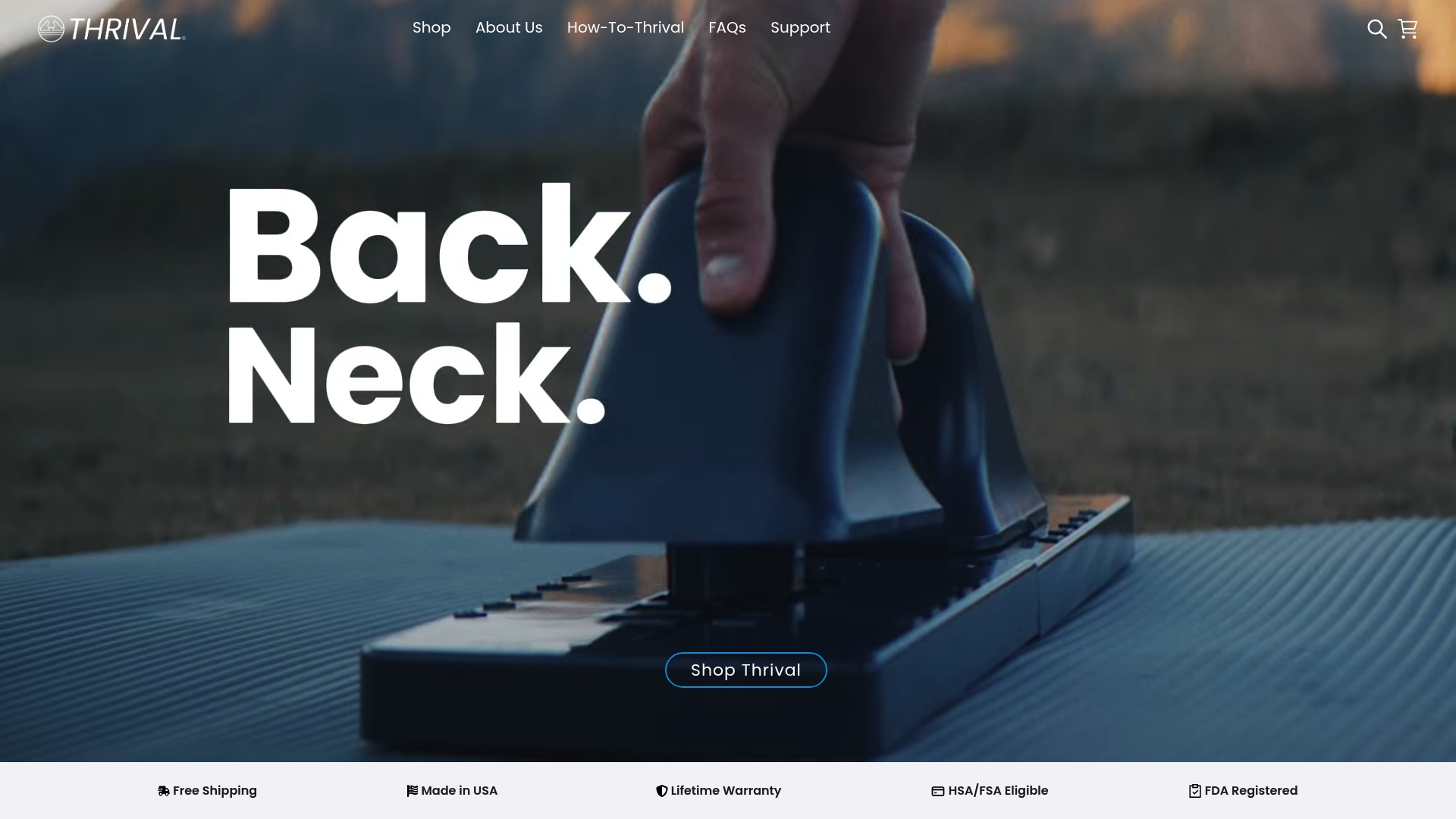
Daily spinal care does not stop at exercise. Targeted muscle release along the back, hips, and shoulders reduces the tension that accumulates from posture, strain, and repetitive movement. Thrival’s deep tissue recovery system is built specifically for this. The base board accepts four interchangeable attachments, each designed for a different muscle group and pressure need. The Thrival Ballhead Attachments deliver focused pressure to tight paraspinal muscles and trigger points along the spine, replicating the effect of a lacrosse ball with more control and consistency. The Thrival Arch Attachments support spinal muscle recovery and flexibility work, making them a natural complement to the McGill exercises described above. Every Thrival product is FDA registered, US manufactured, and backed by a lifetime warranty, with free shipping on every order. Your spine does the work. Thrival helps it recover.
Recommended