Tuesday, July 21, 2026
Foam rolling works. For athletes pushing hard in training and for anyone dealing with tight, sore muscles after a long day, self-myofascial release (SMR) through foam rolling delivers real, measurable benefits: reduced muscle soreness, faster recovery, improved flexibility, and better range of motion. The research backs it up, and the technique is accessible enough for any fitness level.
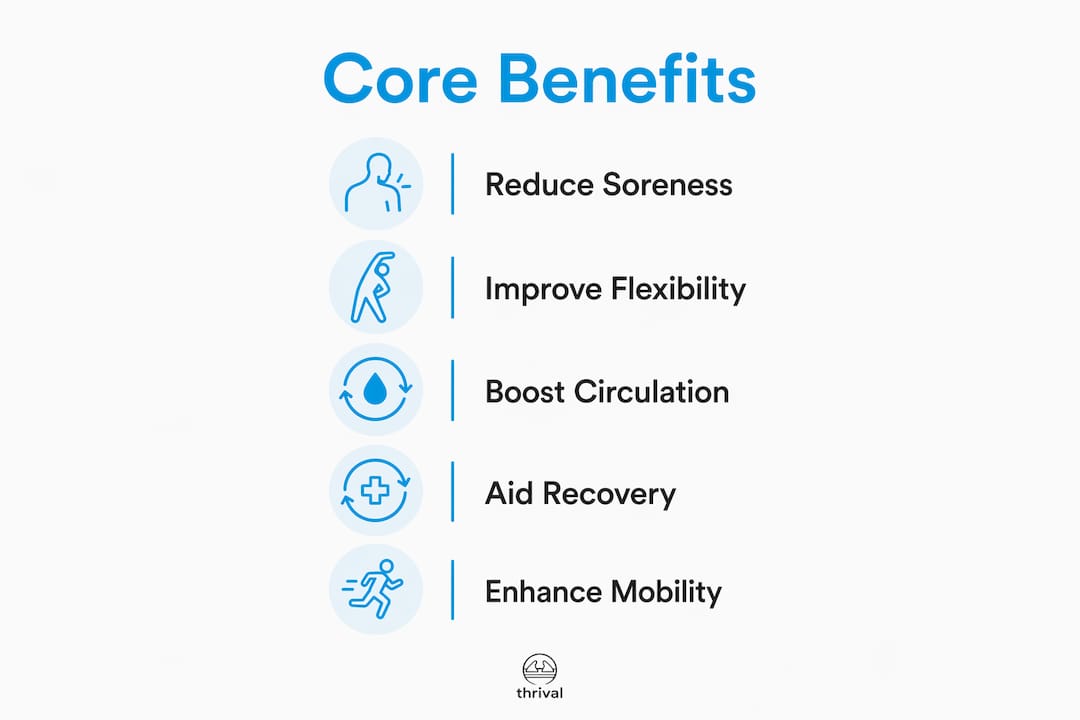
Here is what foam rolling does for you at a glance:
- Reduces delayed onset muscle soreness (DOMS) after intense training sessions
- Improves joint range of motion and flexibility without impairing muscle performance
- Increases local blood flow, supporting oxygen delivery and waste removal from fatigued muscles
- Modulates pain perception through neurological effects on sensory receptors
- Supports recovery between training sessions, especially for elite athletes
Whether you train five days a week or spend most of your time at a desk, consistent foam rolling pays off. The technique is simple, the tools are affordable, and the science is clear enough to act on.
Why foam rolling matters: the core benefits for your muscles
Foam rolling applies mechanical pressure to soft tissue, and that pressure triggers a cascade of physiological responses. Understanding those responses explains why the practice has become standard in athletic training rooms and physical therapy clinics alike.
Reduced muscle soreness and DOMS
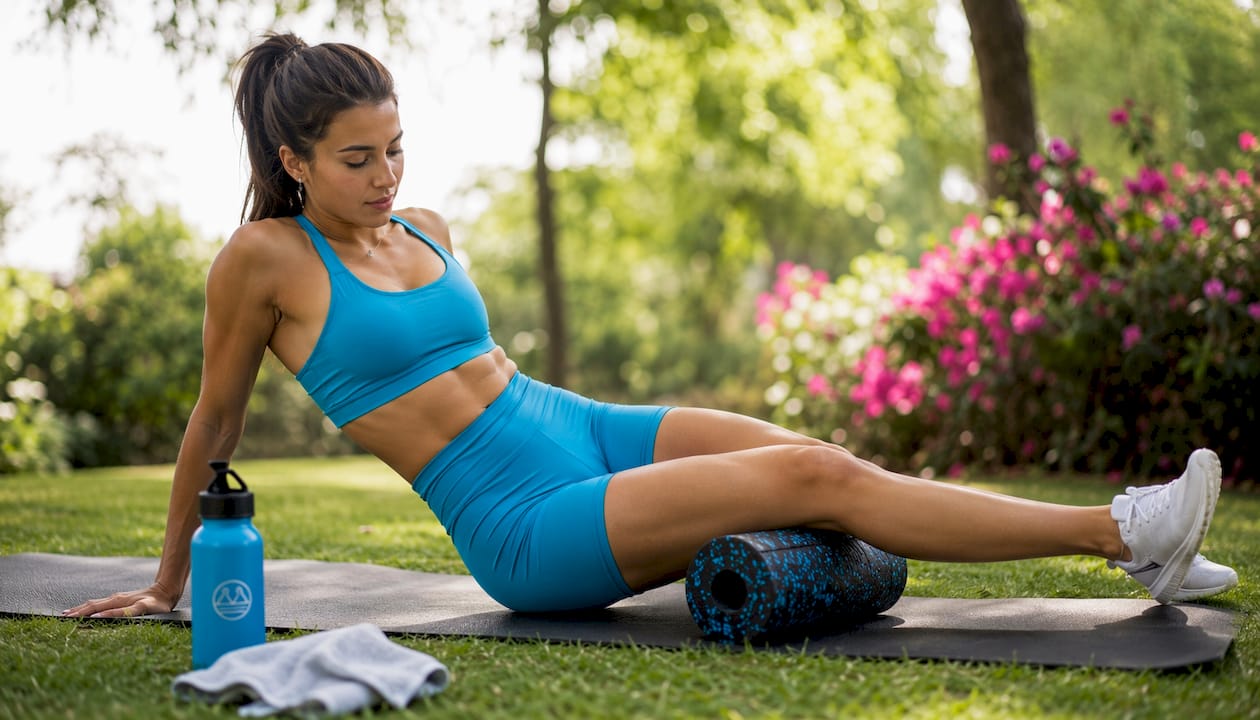
Post-exercise foam rolling attenuates DOMS and increases pressure pain threshold after training. For athletes who train frequently, that reduction in soreness translates directly into better performance at the next session. The mechanism is partly neurological: pressure on sensory receptors in the skin and fascia appears to lower pain signaling, giving muscles a chance to recover without the full brunt of post-exercise inflammation.
Improved flexibility and range of motion
Foam rolling for 90–120 seconds per muscle group before exercise improves joint range of motion without any negative effect on muscle performance. That is a meaningful finding for athletes who have historically avoided pre-exercise stretching out of concern for performance loss. Foam rolling sidesteps that trade-off entirely.
Blood flow and circulation
The friction generated between a foam roller and soft tissue raises intramuscular temperature and promotes local blood flow. That increased circulation supports oxygen delivery to working muscles and helps clear metabolic byproducts like lactate after intense exercise. For post-workout recovery, this circulatory effect is one of the most practical reasons to roll after training.
Benefits for non-athletes
Exercise specialists highlight foam rolling as a tool for anyone dealing with muscle tension from prolonged sitting or standing. Desk workers carrying chronic tightness in the hips, thoracic spine, and shoulders can use the same techniques athletes rely on, with the same neurological and circulatory benefits. The barrier to entry is low, and the payoff is consistent.
Potential downsides and safety considerations
Foam rolling is low-risk, but “low-risk” is not the same as “risk-free.” A few common mistakes can turn a recovery tool into a source of new pain.
Avoid rolling directly over bone. The knees, shins, shoulder blades, and pelvis are off-limits for rolling. Bone does not respond to mechanical pressure the way soft tissue does. Rolling over a bony prominence will likely cause pain and could worsen existing inflammation or injury. Keep the roller on fleshy, muscular tissue at all times.
Contraindications to know before you start:
- Open wounds, bruises, or skin infections in the target area
- Deep vein thrombosis or blood clotting conditions
- Osteoporosis or fragile bone conditions
- Acute muscle tears or sprains (rolling inflamed tissue delays healing)
- Peripheral neuropathy or areas with reduced sensation
Signs you are applying too much pressure:
- Sharp, shooting pain (distinct from the productive “good hurt” of tight tissue)
- Bruising that appears after a session
- Increased soreness lasting more than 48 hours after rolling
Overuse is a real concern. Rolling the same muscle group for extended periods, or pressing with far more force than the tissue can handle, can cause bruising and micro-trauma rather than recovery. Consistency at moderate pressure beats occasional aggressive sessions every time.
Pro Tip: Start with two to three sessions per week and keep pressure moderate. If a spot feels acutely painful rather than productively uncomfortable, ease off and let the tissue recover before returning to it.
How to use a foam roller effectively
Proper technique makes the difference between a session that genuinely helps and one that just passes time. Follow these steps for each muscle group you target.
Step-by-step foam rolling technique
- Position the roller under the target muscle. Use your bodyweight to apply pressure, not your hands. Your arms and legs control how much weight you load onto the roller.
- Find a tender spot. Roll slowly (about one inch per second) until you locate an area of tightness or mild discomfort.
- Hold on the tender spot. Pause and sustain pressure for 90–120 seconds per area. This duration is associated with the best flexibility outcomes in research.
- Breathe through the pressure. Slow, controlled breathing helps the nervous system downregulate and allows the tissue to release.
- Move to the next spot. Shift the roller slightly and repeat. Work the full length of the muscle rather than fixating on one point.
- Finish with movement. After rolling, take the joint through its full range of motion to reinforce the flexibility gains.
Muscle groups to prioritize
- Calves and Achilles: especially useful for runners and anyone on their feet all day
- Quadriceps and IT band: high-tension areas for cyclists, runners, and strength athletes
- Hamstrings: often neglected; rolling here supports hip mobility and lower back health
- Thoracic spine (upper back): critical for desk workers and overhead athletes
- Glutes and piriformis: tight glutes contribute to hip impingement and lower back pain
- Lats: rolling the lats improves shoulder range of motion for pressing and pulling movements
Timing and frequency
Before exercise: Roll for 30–60 seconds per muscle group as part of your warm-up, combined with dynamic movement. Research supports foam rolling combined with dynamic stretching as a warm-up that preserves and enhances flexibility without hurting performance.
After exercise: Spend sufficient time per muscle group on the areas you trained. Post-exercise rolling is where the DOMS-reduction benefit is strongest.
Frequency: 3–5 sets of 30–60 seconds at least twice a week produces sustained improvements in flexibility and recovery over time.
Pro Tip: Roll before your warm-up and again after your cool-down for a double dose of benefit. The pre-session roll primes range of motion; the post-session roll starts the recovery process while your tissue is still warm.
Research note: A 20-week foam rolling program in adults with fibromyalgia reduced pain, fatigue, stiffness, and depression while improving range of motion across 66 participants. That finding underscores how consistent, long-term rolling produces outcomes that go well beyond acute soreness relief.
Choosing the right foam roller for your needs
The roller you choose shapes the experience significantly. Firmness, texture, and size all affect how much pressure reaches the tissue and which areas you can target effectively.
Factors to consider:
- Firmness: Soft rollers are gentler and better for beginners; firm rollers deliver deeper pressure for athletes with higher tissue tolerance
- Surface texture: Smooth rollers provide even pressure; knobbed or ridged surfaces mimic finger pressure and reach deeper into tissue
- Size: Full-length rollers (36 inches) work well for large muscle groups like the back and quads; shorter rollers (12–18 inches) are more portable and better for calves and arms
- Material: High-density EVA foam holds its shape longer than standard foam, which compresses and loses effectiveness over time
- Portability: Compact rollers travel well; full-length rollers are better suited for home or gym use
| Roller type | Best for | Firmness level | Surface |
|---|
| Soft foam | Beginners, sensitive tissue | Low | Smooth |
| Medium-density | General fitness, recovery | Moderate | Smooth or lightly textured |
| High-density | Experienced athletes, deep tissue | High | Smooth or ridged |
| Vibrating roller | Advanced recovery, tight fascia | Variable | Smooth |
| Massage stick/bar | Targeted areas, travel | Variable | Ridged |
Beginners should start with softer rollers to avoid excessive pain that discourages continued use. As tissue adapts over weeks of consistent rolling, graduating to a firmer roller delivers deeper pressure and continued benefit. Harder is not automatically better; the right firmness is the one you will actually use consistently.
For athletes who want more targeted pressure than a standard roller provides, tools like the Thrival Deep Tissue Pro use interchangeable attachments (including the Wave, Bullseye, Arch, and Ballhead) to pinpoint specific muscle groups with professional-grade precision. That kind of targeted release goes deeper than a standard roller on areas like the thoracic spine, glutes, and hip flexors.
Alternative self-myofascial release tools worth knowing:
- Lacrosse balls and tennis balls for small, targeted areas like the glutes and feet
- Massage sticks for calves and quads when floor work is not practical
- Specialized attachment-based systems for spinal decompression and deep tissue work
What the science actually says about foam rolling
The research on foam rolling is more nuanced than most gym-floor conversations suggest. A meta-analysis of 21 studies found that the effects on performance and recovery are generally modest but meaningful in specific contexts, particularly for sprint performance, flexibility, and muscle pain reduction.
| Outcome | Pre-rolling effect | Post-rolling effect |
|---|
| Sprint performance | — | — |
| Flexibility | +3–4% improvement | Not primary outcome |
| Strength performance | — | — |
| Muscle pain perception | Not primary outcome | — |
| Jump performance | — | — |
Those numbers are modest, but for competitive athletes, a 3–4% difference in sprint or strength recovery between sessions compounds meaningfully over a training season.
The physiological mechanisms behind foam rolling’s effects are still being studied. Researchers point to several overlapping pathways:
- Mechanical effects: Reduced tissue adhesion, altered fascial stiffness, and thixotropic responses in connective tissue
- Neurological effects: Modulation of pain-signaling pathways through nociceptor and mechanoreceptor sensitivity
- Circulatory effects: Increased local blood flow and parasympathetic activation
- Psychophysiological effects: Improved perception of recovery, possibly through endorphin release or placebo response
“Although structural changes in fascia from foam rolling remain inconclusive, the significant neurological effects improving pain modulation justify foam rolling use.” This expert consensus reflects where the field currently stands: the nervous system response is real and clinically meaningful, even when the structural tissue changes are harder to verify.
The psychological benefit of feeling less pain and more recovered after rolling is itself a legitimate performance factor. An athlete who feels better going into a session trains harder and recovers with more confidence. That subjective improvement has real downstream effects on training quality.
For a deeper look at how fascia responds to manual pressure, the role of fascia in mobility covers the structural side of the equation in detail.
How foam rolling targets localized pain relief
Foam rolling excels at addressing pain in specific, tight areas rather than providing only general relaxation. When you park the roller on a tender spot and hold pressure for 90 seconds or more, the sustained mechanical input overloads local sensory receptors. That sensory overload interrupts the pain signal, a process sometimes called sensory gating, and the perceived discomfort in that spot drops.
This is why foam rolling works so well on common problem areas like the IT band, the thoracic spine, and the glutes. These are regions where chronic tension accumulates from repetitive movement patterns or prolonged postures, and where targeted pressure produces the most noticeable relief. The effect is not permanent from a single session, but repeated rolling over days and weeks gradually reduces baseline tension in those areas.
For desk workers carrying chronic tightness from hours of sitting, rolling the hip flexors and thoracic spine for just a few minutes daily can produce meaningful relief. The muscle recovery tips for desk workers guide covers this in practical detail.
How foam rolling improves your mobility over time
Mobility is not just flexibility. It is the ability to move a joint through its full range of motion under load, with control. Foam rolling contributes to mobility by reducing the soft-tissue restriction that limits joint movement in the first place.
A systematic review found that self-myofascial release improves joint ROM at the hip, knee, and ankle without affecting muscle performance. That combination is what makes foam rolling particularly useful as a pre-training tool. You get the mobility benefit without the performance cost associated with prolonged static stretching.
The gains in range of motion from foam rolling are partly structural (changes in fascial stiffness and tissue viscosity) and partly neurological (altered stretch perception and muscle spindle sensitivity). Both pathways contribute, and both respond to consistent practice. Rolling once produces a short-term effect; rolling regularly over weeks produces lasting changes in how freely your joints move. For context on why muscle mobility matters for long-term health, the connection between restricted movement and injury risk is well established.
How foam rolling accelerates recovery between sessions
Recovery is where foam rolling’s practical value is clearest for athletes. Post-exercise rolling slightly attenuates the decline in sprint and strength performance that follows intense training, and it reduces muscle pain perception by a meaningful margin. For athletes training multiple times per week, that faster return to baseline means more productive sessions and less accumulated fatigue.
The circulatory mechanism plays a key role here. Rolling increases local blood flow, which supports lactate clearance, edema reduction, and oxygen delivery to recovering muscle tissue. Combined with the neurological pain-modulation effect, post-exercise rolling creates conditions where the body can repair faster. Active recovery strategies that include foam rolling, like those covered in the active recovery guide, consistently outperform passive rest for athletes managing high training loads.
Foam rolling occupies a specific niche among recovery techniques. Understanding where it fits relative to other methods helps you build a recovery routine that actually covers all the bases.
Foam rolling vs. professional massage: Massage therapy delivers deeper, more precise tissue manipulation and allows a trained therapist to address compensatory patterns you cannot reach yourself. Foam rolling is self-administered, available any time, and costs nothing per session after the initial tool purchase. For maintenance between massage appointments, rolling is the practical daily option.
Foam rolling vs. static stretching: Static stretching held for 60 seconds or more before exercise has been shown to reduce muscle force output temporarily. Foam rolling does not carry that cost. Research supports using foam rolling as a pre-exercise warm-up specifically because it improves flexibility without the performance trade-off. After exercise, both tools have value, and combining them produces better flexibility outcomes than either alone.
Foam rolling vs. dynamic stretching: Dynamic stretching activates muscles through movement and is excellent for warm-up. Foam rolling addresses tissue restriction before dynamic stretching begins, making the two complementary rather than competing. The most effective warm-up sequence is foam rolling first, then dynamic movement.
Foam rolling vs. ice baths and contrast therapy: Cold immersion reduces inflammation aggressively but may blunt some of the anabolic signaling that drives muscle adaptation. Foam rolling reduces soreness without interfering with adaptation, making it a better daily recovery choice for athletes in a building phase. Ice baths are better suited for competition periods when performance recovery takes priority over adaptation.
How foam rolling affects specific muscle groups and conditions
Different muscle groups respond to foam rolling in distinct ways, and a few specific conditions show particularly strong evidence for benefit.
Quadriceps and IT band: The quads are one of the most studied muscle groups for foam rolling. Rolling the quads and lateral thigh reduces post-exercise soreness and maintains sprint performance between sessions. The IT band itself is not a muscle and does not “release” in the structural sense, but rolling the lateral thigh reduces tension in the surrounding tissue and improves hip and knee mechanics.
Calves and plantar fascia: Rolling the calves and the sole of the foot addresses plantar fascia tension, a common source of heel pain in runners. Consistent rolling in this area, combined with calf stretching, is a standard recommendation for managing plantar fasciitis symptoms.
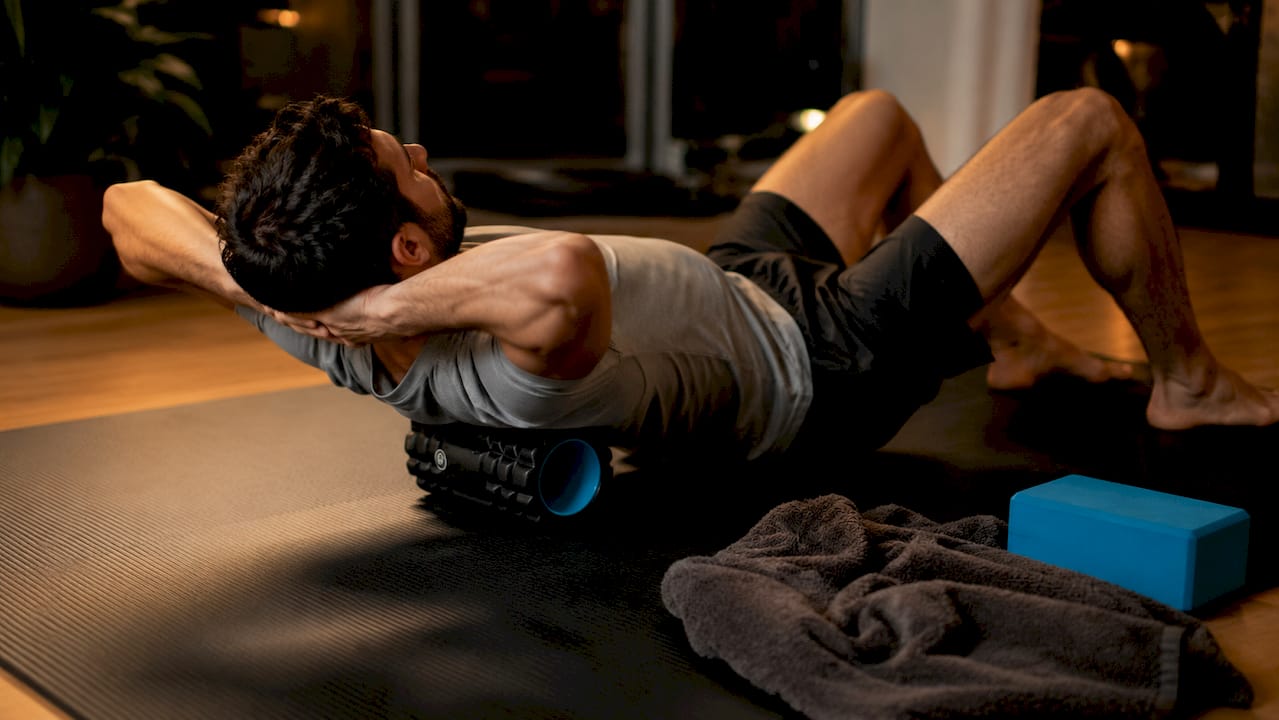
Thoracic spine: The upper back responds well to foam rolling because the thoracic vertebrae are surrounded by large muscle groups (erector spinae, rhomboids, trapezius) that accumulate tension from both training and prolonged sitting. Rolling the thoracic spine improves shoulder range of motion and reduces the postural rounding that contributes to neck and shoulder pain.
Glutes and piriformis: Tight glutes contribute to hip impingement, lower back pain, and reduced hip extension during running and lifting. Rolling the glutes and piriformis, especially with a smaller, targeted tool, addresses these restrictions more effectively than a standard roller on large muscle groups.
Fibromyalgia and chronic pain conditions: A 20-week foam rolling program in adults with fibromyalgia reduced pain, fatigue, stiffness, and depression while improving range of motion. That evidence positions foam rolling as a viable adjunct therapy for chronic pain conditions, not just a performance tool for athletes.
For athletes who want to go beyond a standard roller and target these areas with more precision, Thrival’s attachment-based system offers tools like the Bullseye attachment for deep, pinpoint muscle targeting and the Wave attachment for broader coverage across large muscle groups.
Key Takeaways
Foam rolling delivers consistent, evidence-based benefits for muscle recovery, flexibility, and pain relief when applied with correct technique and appropriate frequency.
| Point | Details |
|---|
| Optimal duration per muscle group | Hold pressure for 90–120 seconds per muscle group to maximize flexibility and recovery outcomes. |
| Frequency for lasting results | Roll 3–5 sets of 30–60 seconds at least twice a week to sustain improvements over time. |
| Safety: avoid bony areas | Keep the roller on soft tissue only; never roll directly over knees, shins, or shoulder blades. |
| Start soft, progress gradually | Beginners should use softer rollers first and graduate to firmer options as tissue adapts. |
| Pre and post-exercise timing | Pre-exercise rolling improves range of motion; post-exercise rolling reduces DOMS and speeds recovery. |
Recommended