Thursday, June 11, 2026
Spinal decompression therapy is defined as a non-surgical treatment that gently stretches the spine to reduce pressure on spinal discs and nerves, enabling natural tissue repair and lasting pain relief. For anyone living with chronic back pain, sciatica, or a herniated disc, understanding why decompression relieves pain is the first step toward making an informed decision about your care. The therapy works through two interconnected mechanisms: mechanical unloading of compressed disc structures and biological stimulation of cellular repair. Clinical data shows pain scores improve by approximately 80% after a standard 20-session protocol, with 77% of patients showing visible disc herniation reduction on MRI. Those numbers reflect real structural change, not just temporary symptom masking.
Why decompression relieves pain: the mechanical process
Spinal decompression creates negative intradiscal pressure between -100 and -600 mmHg inside the disc, generating a vacuum effect that pulls herniated or bulging disc material back toward its central position. This directly reduces pressure on the surrounding nerve roots, which is the primary source of the sharp, radiating pain most people with sciatica or disc herniation experience. Less nerve compression means less pain signal, and that relief can begin within the first few sessions.
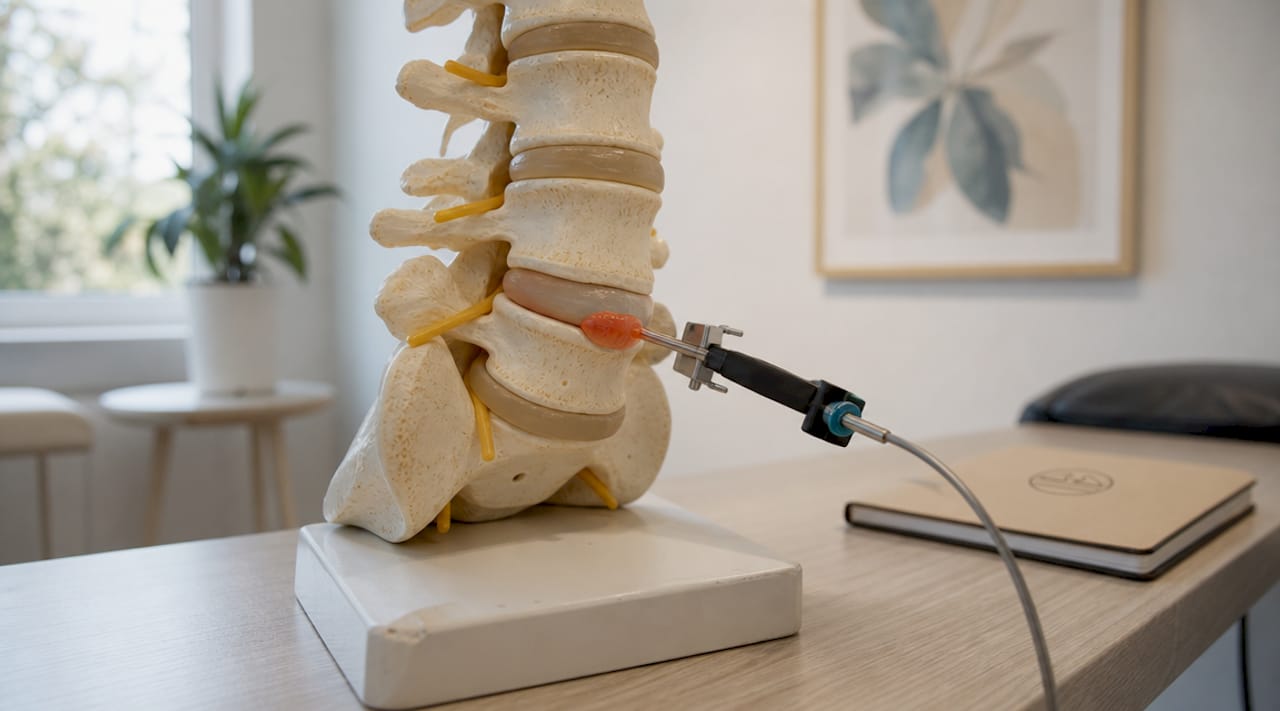
What separates modern computerized decompression from older traction tables is precision. Traditional traction applies a steady linear pull, which often triggers the body’s protective muscle guarding reflex. The muscles contract to resist the force, and the therapeutic load never reaches the disc. Computerized decompression uses logarithmic pull patterns and real-time sensor feedback to adjust tension continuously, bypassing that reflex entirely. The force reaches deep disc structures without triggering protective spasms.
Here is what the mechanical process accomplishes in a single session:
- Negative pressure generation: The vacuum effect retracts herniated disc material away from nerve roots.
- Nerve root decompression: Reduced contact between disc material and nerve tissue lowers pain signaling immediately.
- Muscle guarding bypass: Sensor-guided tension adjustments prevent the proprioceptive reflex that defeats traditional traction.
- Disc space restoration: Gentle distraction increases the space between vertebrae, reducing facet joint compression.
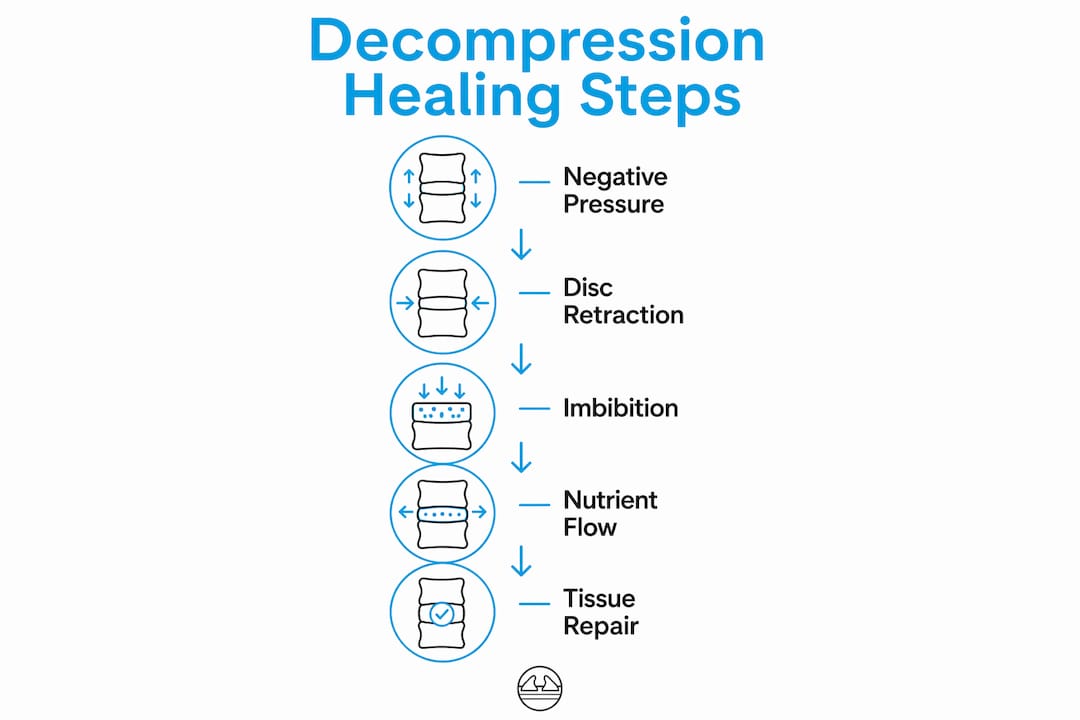
- Fluid exchange initiation: The pressure differential draws oxygen, water, and nutrients into the disc.
Pro Tip: If you have tried traction therapy in the past without success, ask your provider specifically about computerized decompression with real-time sensor feedback. The technology difference is clinically significant, not just a marketing distinction.
What biological healing does decompression activate?
The mechanical effect of decompression is only half the story. The deeper reason pain relief lasts beyond the treatment table is a process called mechanotransduction. This is how the body converts a physical mechanical stimulus into a biochemical repair signal at the cellular level.
Here is the sequence of biological events that spinal decompression sets in motion:
- Mechanical stimulus is applied. The controlled stretching of the disc creates a specific pressure environment that disc cells recognize as a repair signal rather than a damage signal.
- Mechanotransduction activates cellular repair. Disc cells respond by increasing production of collagen and proteoglycans, the structural proteins that give discs their strength and shock-absorbing capacity. This is actual tissue regeneration, not temporary relief.
- Imbibition restores disc hydration. Spinal discs have limited blood supply and depend on cyclical pressure changes to absorb nutrients. Decompression restores this exchange, pulling oxygen, water, and glucose into the disc matrix.
- Fibroblasts and chondrocytes rebuild disc material. These specialized cells, stimulated by the improved nutrient environment, begin repairing the extracellular matrix components that degeneration has broken down.
- Disc height is partially restored. As hydration improves and disc material retracts, the disc regains some of its original height, further reducing nerve compression and facet joint stress.
The imbibition process is particularly important for people with degenerative disc disease. Degenerated discs are dehydrated and nutrient-starved. Decompression restores the pressure cycling that healthy movement provides, giving the disc the raw materials it needs to repair itself. This is why decompression targets both mechanical unloading and cellular signaling for sustained spine health rather than just providing short-term comfort.
Who benefits most from spinal decompression therapy?
Success rates range from 70% to 86% in properly screened patients, which means patient selection is as important as the therapy itself. Not every back pain diagnosis responds equally well to decompression, and understanding where you fall on that spectrum shapes realistic expectations.
The table below compares the two primary patient profiles and their typical outcomes:
| Patient profile | Typical outcome |
|---|
| Lumbar disc herniation with radicular pain (sciatica) | Highest success rates; nerve decompression directly addresses the pain source |
| Degenerative disc disease | Strong outcomes when combined with hydration restoration and structural correction |
| Non-specific chronic low back pain | More variable results; underlying cause must be identified for consistent benefit |
| Spinal stenosis (mild to moderate) | Moderate benefit; severe cases may require surgical evaluation |
Radicular pain patients, meaning those with pain radiating down the leg or arm from a compressed nerve root, report the highest efficacy. Patient outcomes depend heavily on accurate diagnostic screening and compliance with the full treatment plan. Skipping sessions or stopping early significantly reduces the biological repair window the therapy opens.
Timeline matters too. Noticeable improvement typically appears within 2 to 4 weeks, with significant relief by 6 to 8 weeks of consistent treatment. Most full protocols involve 20 to 30 sessions over that period. Expecting dramatic results after two or three visits sets patients up for premature dropout, which is one of the most common reasons therapy fails.
How does decompression fit into a holistic pain management plan?
Spinal decompression therapy is not a standalone cure. It creates the biological conditions for healing, but those conditions need to be reinforced through complementary care to produce lasting results. Treating decompression as a one-and-done intervention is the most common mistake patients make.
Integrating decompression with targeted therapeutic exercises and postural correction is what reinforces structural changes and prevents recurrence. The disc may retract and rehydrate during treatment, but if the posture and movement patterns that caused the original compression remain unchanged, the problem returns. This is why providers trained in Chiropractic BioPhysics or similar structural correction methods tend to produce better long-term outcomes than those offering decompression alone.
Effective complementary practices to combine with decompression include:
- Core stabilization exercises: Strengthening the deep spinal stabilizers reduces load on the disc between sessions.
- Postural correction training: Restoring natural lumbar and cervical curves reduces chronic compressive forces.
- Soft tissue therapy: Addressing tight paraspinal muscles and hip flexors removes secondary contributors to disc pressure.
- Ergonomic adjustments: Modifying workstation setup, sleep position, and daily movement patterns prevents re-injury.
- Patient education: Understanding load management and spine mechanics empowers you to protect your progress outside the clinic.
For self-care between sessions, back pain exercises and targeted muscle release can maintain the mobility gains decompression creates. Muscle tension in the hips, glutes, and lower back directly increases disc pressure, so releasing those areas supports the structural work happening on the decompression table.
Pro Tip: Ask your provider for a home exercise program to perform on non-treatment days. Passive therapy alone produces slower results than therapy combined with active patient participation.
A comprehensive pain relief plan that layers decompression with movement, soft tissue work, and lifestyle correction gives you the best chance of staying out of pain long after the treatment course ends.
Key takeaways
Spinal decompression relieves pain by creating negative intradiscal pressure that retracts herniated disc material, reduces nerve compression, and activates cellular repair through mechanotransduction and improved disc hydration.
| Point | Details |
|---|
| Negative pressure is the core mechanism | Decompression generates -100 to -600 mmHg of intradiscal pressure to retract herniated disc material. |
| Mechanotransduction drives real repair | Mechanical stimuli trigger collagen and proteoglycan production, producing tissue regeneration rather than symptom masking. |
| Computerized beats traditional traction | Sensor-guided tension bypasses muscle guarding reflexes, delivering therapeutic force directly to disc structures. |
| Patient screening determines success | Success rates of 70% to 86% apply to properly screened patients; radicular pain cases respond best. |
| Combined care prevents recurrence | Decompression paired with exercise, posture correction, and soft tissue therapy produces the most durable outcomes. |
What I’ve learned about decompression that most articles miss
Patients come in expecting decompression to work like a pain pill. They want the discomfort gone, and they want it gone fast. What I’ve found, working with people navigating chronic spinal pain, is that the ones who get the most out of this therapy are the ones who understand what it actually does at the biological level.
Decompression is not pain management. It is structural therapy that creates a healing environment. That distinction changes how you approach the process. When you know the therapy is rebuilding disc tissue and restoring hydration, you commit to the full protocol instead of quitting after a few sessions when the initial relief plateaus.
The other thing most people miss is the difference between computerized decompression and the traction tables that have been around for decades. They look similar. They are not. The sensor feedback technology in modern systems is what makes the therapy clinically effective. Without it, muscle guarding defeats the treatment before it reaches the disc. If a provider cannot explain how their system bypasses that reflex, that is worth asking about directly.
My honest observation is that decompression works best for people who treat it as one component of a larger recovery strategy. The therapy opens a window for healing. What you do with that window, through exercise, posture work, and soft tissue care, determines whether the results last six months or six years.
— Cameron
Support your recovery with Thrival

Spinal decompression addresses the disc and nerve structures at the core of your pain. But the surrounding muscles, including the paraspinals, hip flexors, and glutes, hold tension that keeps compressive forces on the spine elevated between sessions. Releasing that soft tissue tension is where the Thrival Deep Tissue Pro fits in. The system uses a non-motorized base board with interchangeable attachments, including the Wave, Bullseye, Arch, and Ballhead, to deliver targeted deep tissue pressure to specific muscle groups. It is FDA registered, built in the US, and backed by a lifetime warranty. Paired with a structured decompression protocol, it gives you a practical tool for targeted muscle therapy between clinical sessions.
FAQ
What does spinal decompression actually do to relieve pain?
Spinal decompression creates negative pressure inside the disc, retracting herniated material away from nerve roots and reducing the compression that causes pain. It also triggers cellular repair by stimulating collagen and proteoglycan production through mechanotransduction.
How long does it take for decompression therapy to work?
Most patients notice improvement within 2 to 4 weeks, with significant relief by 6 to 8 weeks of consistent treatment across 20 to 30 sessions.
Does spinal decompression work for sciatica?
Yes. Sciatica caused by lumbar disc herniation responds particularly well to decompression, with success rates between 70% and 86% in properly screened patients. The therapy directly reduces pressure on the sciatic nerve root.
What is the difference between decompression and traction?
Computerized decompression uses real-time sensor feedback and logarithmic pull patterns to bypass muscle guarding reflexes, delivering force to deep disc structures. Traditional traction applies a static linear pull that often triggers protective muscle contraction, reducing its effectiveness at the disc level.
Who should not use spinal decompression therapy?
Decompression is not appropriate for patients with spinal fractures, severe osteoporosis, spinal tumors, or those who have had spinal fusion surgery. A thorough diagnostic screening by a qualified provider determines candidacy before treatment begins.
Recommended