Sunday, July 5, 2026
Scar tissue release is the process of remodeling scar tissue adhesions through targeted manual and therapeutic techniques to restore movement and reduce pain. The clinical term for this practice is soft tissue mobilization, and it covers a range of methods including myofascial release, instrument-assisted soft tissue mobilization (IASTM), heat therapy, stretching, and controlled loading. These techniques work together to improve tissue pliability and encourage organized collagen realignment. Scar tissue therapy is not about aggressively breaking anything apart. It is a guided, gradual process that helps your body heal more effectively after injury or surgery. Understanding what scar tissue release involves gives you a real advantage in managing your recovery.
What is scar tissue release and why does it matter?
Scar tissue release is defined as a structured therapeutic approach that remodels fibrotic collagen adhesions to restore normal tissue movement and relieve pain. When your body repairs damaged tissue, it lays down collagen fibers rapidly. That speed comes at a cost. The fibers are dense and disorganized, unlike the parallel, organized structure of healthy tissue.
This disorganized collagen forms what clinicians call fibrotic adhesions. These adhesions can tether to surrounding muscles, nerves, or joints, creating stiffness, pulling sensations, and pain. Left unaddressed, scar tissue affects fascia deeply, potentially causing chronic pain and poor posture. That is why targeted therapy matters far more than simply waiting for a scar to fade.
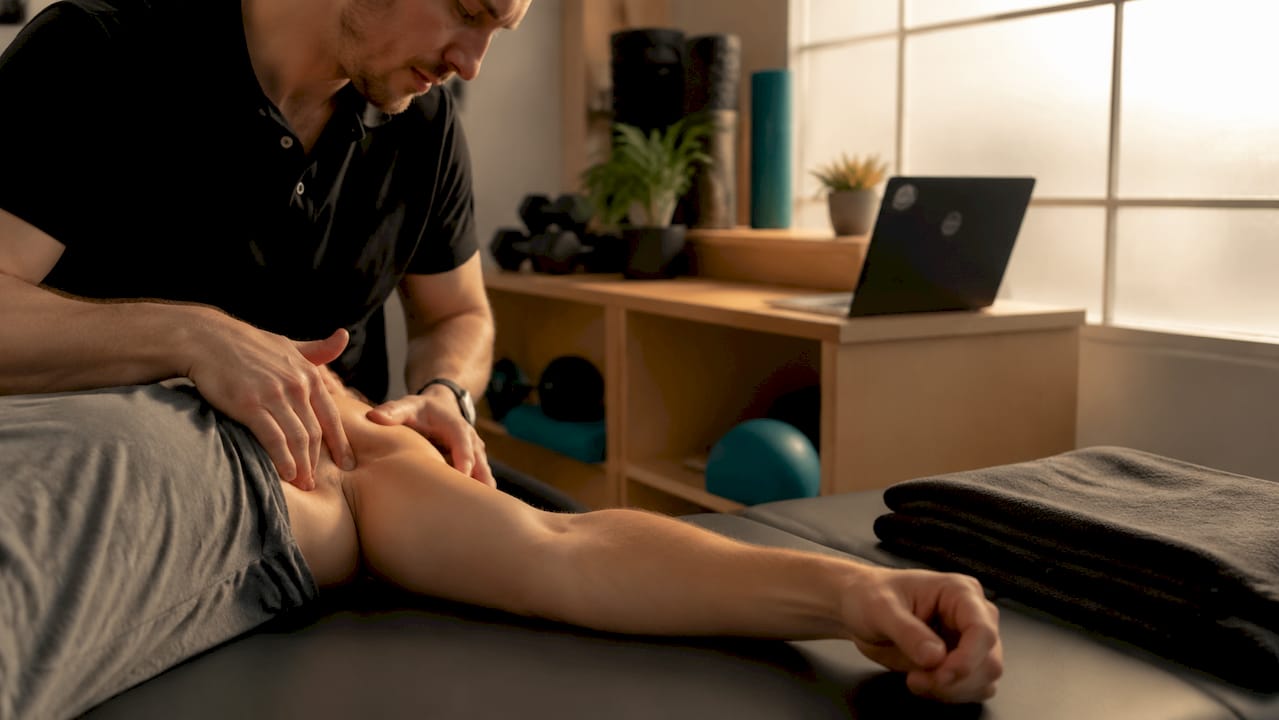
The goal of release therapy is not to remove scar tissue. Scar tissue is a protective structure your body needs. The goal is to remodel it so it stops restricting your movement and causing discomfort. This distinction shapes every technique used in the process.
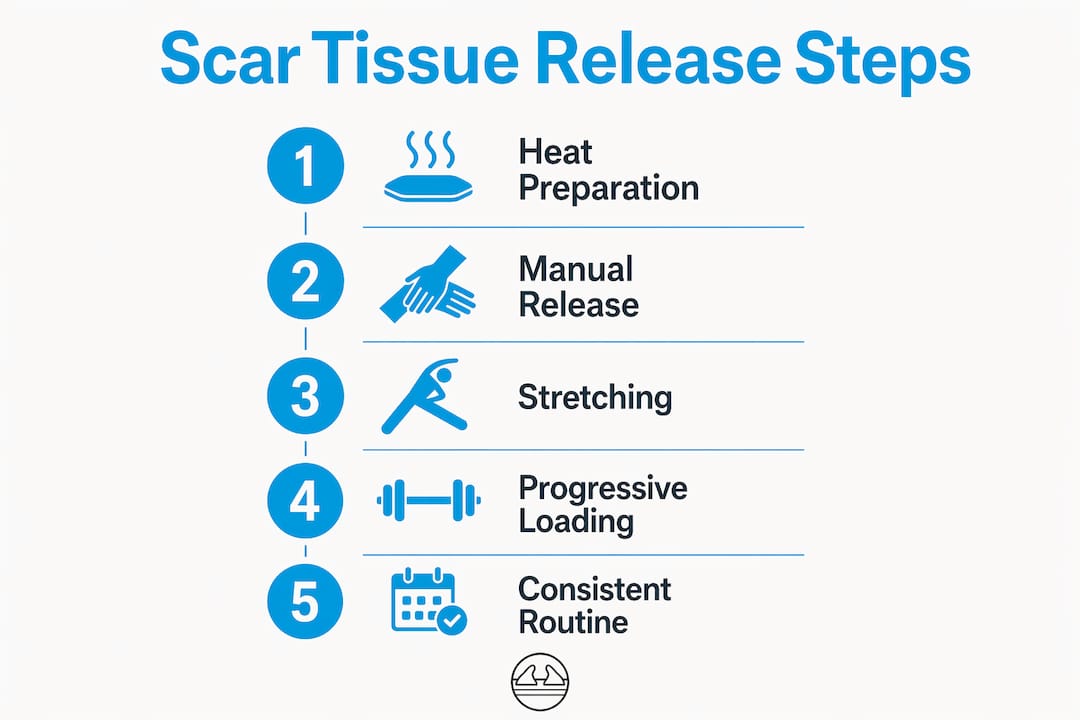
The body forms scar tissue as a repair mechanism after any injury, surgery, or significant inflammation. Collagen fibers flood the damaged area quickly to close the wound and protect underlying structures. Speed is prioritized over organization during this phase.
The result is a dense, fibrous patch that lacks the flexibility of original tissue. Over time, this patch can bind to adjacent structures. Here is what that binding causes:
- Restricted range of motion. Adhesions physically limit how far a joint or muscle can move.
- Nerve compression or irritation. Scar tissue that tethers near a nerve can produce burning, tingling, or sharp pain.
- Disrupted tissue glide. Healthy tissue layers slide past each other during movement. Adhesions prevent that glide, creating friction and discomfort.
- Postural compensation. When one area is restricted, the body shifts load elsewhere. That compensation leads to secondary pain in unrelated areas.
- Chronic pain cycles. Failure to address adhesions may lead to long-term complications including chronic pain and movement dysfunction.
The depth of scar tissue impact surprises many people. A surgical scar on the surface of the skin can create restrictions several layers deep into the fascia. That is why surface-level treatment alone rarely resolves the problem. Effective scar tissue therapy must address the full depth of the adhesion.
What does scar tissue release therapy involve?
Standard scar tissue management uses a multimodal professional approach, not a single break-up method. Each modality targets a different aspect of tissue remodeling. Together, they produce lasting functional improvement.
Manual therapy and myofascial release. A therapist applies sustained, gentle pressure to soften adhesions and restore normal tissue mobility. This technique works by mechanically deforming the collagen matrix and stimulating cellular repair responses.
Instrument-assisted soft tissue mobilization (IASTM). IASTM tools stimulate collagen remodeling and improve blood flow without violently breaking tissue. The controlled microtrauma from the instrument signals the body to initiate a fresh healing response, this time with better-organized collagen.
Heat application. Applying heat before therapy increases blood flow and makes tissue more pliable. Warmer tissue responds better to manual pressure and stretching, which is why heat is always a first step, not an afterthought.
Stretching. Stretching after soft tissue mobilization realigns collagen fibers and maintains the range of motion gained during treatment. Stretching before releasing adhesions is less effective because the tissue is still bound.
Controlled loading and eccentric exercises. Loading scar tissue appropriately is key. Too little stress maintains stiffness. Too much causes injury. Progressive loading trains the remodeled tissue to handle real-world demands.
Laser and shockwave therapy. These modalities are used in clinical settings to stimulate deeper tissue healing and reduce inflammation. They complement manual methods rather than replace them.
Pro Tip: Always apply heat before any manual therapy or stretching. Warm tissue is more elastic and responds to pressure with less resistance, which means you get more benefit from the same amount of work.
The sequence matters as much as the techniques themselves. Releasing adhesions first, then stretching, then loading produces better outcomes than doing these steps in random order. Therapists who follow this sequence consistently see faster functional recovery.
Home care is a legitimate and effective part of scar tissue therapy when done correctly. The key word is correctly. Aggressive self-treatment can worsen fibrosis and set recovery back significantly.
Follow this sequence for safe home-based scar tissue release:
- Apply heat for 10–15 minutes. Use a heating pad or warm towel on the affected area. Effective self-care starts with heat to enhance blood flow and prepare tissue for mobilization.
- Perform gentle massage over the adhesion. Use your fingertips or a soft massage tool to apply slow, sustained pressure directly on the scar tissue. Move in small circles and cross-friction patterns. Avoid pressing so hard that you cause bruising.
- Stretch after mobilization, not before. Release soft tissue adhesions before stretching to prepare tissue and maintain range of motion effectively. Hold each stretch for at least 30–60 seconds to allow collagen fibers to realign.
- Add progressive loading once pain decreases. Begin with light resistance exercises that move the affected area through its full range. Gradually increase load over weeks, not days.
- Stop if you feel sharp pain or see bruising. Mild discomfort during massage is normal. Sharp pain, significant bruising, or increased swelling after treatment are warning signs to back off.
Pro Tip: Consistency beats intensity every time. A 10-minute daily routine produces better results than one aggressive weekly session. Your tissue remodels in response to repeated, gentle stimulus, not force.
Consult a physical therapist or physician if your symptoms worsen, if the scar is near a surgical site less than six weeks old, or if you notice numbness or tingling. Home care complements professional therapy. It does not replace it for complex cases. Reviewing a soft tissue care checklist before starting your routine helps you avoid the most common self-treatment mistakes.
Common myths and facts about scar tissue release
Misconceptions about scar tissue therapy lead people to either avoid treatment or pursue approaches that cause harm. Clearing these up sets realistic expectations and protects your recovery.
Myth: You can break up scar tissue in one session. Fact: Scar tissue remodeling is a gradual process involving improving tissue pliability, organization, and load capacity over multiple sessions. One treatment cannot restructure collagen that took weeks to form.
Myth: More pressure means faster results. Fact: Aggressive techniques that cause inflammation may lead to denser scar tissue. The body’s protective response to trauma is to lay down more collagen, which makes the problem worse.
Myth: Scar tissue therapy removes the scar. Fact: Therapy remodels scar tissue rather than removing it. The goal is to restore function and reduce pain, not to eliminate the scar entirely.
Myth: All scar tissue needs treatment. Fact: Not all scar tissue causes symptoms. Therapy targets problematic adhesions that restrict movement or cause pain. A scar that is flat, mobile, and pain-free typically requires no intervention.
Myth: Stretching alone is enough. Fact: Stretching without first releasing the adhesion is like trying to pull a knotted rope straight. The knot must be loosened before the rope can extend fully.
“Scar tissue is a necessary protective tissue that can become dysfunctional. Therapy focuses on functional remodeling, not quick fixes or removal. Patient education about realistic recovery timelines is the most undervalued part of the entire process.”
Understanding these facts helps you work with your therapist more effectively and avoid wasting time on approaches that do not match how tissue actually heals. Reviewing the evidence-based benefits of soft tissue release gives you a clearer picture of what realistic progress looks like.
Key Takeaways
Scar tissue release requires consistent, sequenced multimodal therapy to remodel fibrotic adhesions, restore tissue mobility, and reduce pain over time.
| Point | Details |
|---|
| Definition of scar tissue release | It is a structured process of remodeling fibrotic collagen adhesions to restore movement and reduce pain. |
| Sequence matters | Apply heat first, then mobilize tissue, then stretch, then load progressively for best results. |
| Avoid aggressive techniques | Excessive pressure causes inflammation that leads to denser, more restrictive scar tissue. |
| Remodeling takes time | Collagen reorganization happens over multiple sessions, not in a single treatment. |
| Home care works when done correctly | Daily gentle massage and stretching complement professional therapy and accelerate recovery. |
What I’ve learned from watching people self-treat scar tissue
The most common mistake I see is people treating scar tissue like a mechanical problem that needs force to fix. They dig in hard with a tool or their thumbs, feel significant pain, and assume that means the therapy is working. It does not. Pain from aggressive pressure signals tissue trauma, and trauma triggers more collagen deposition. You end up with more scar tissue, not less.
The second mistake is skipping the sequencing. People stretch first because stretching feels productive. But stretching a bound adhesion without releasing it first is ineffective. The tissue cannot lengthen properly when it is still tethered. Release the adhesion, then stretch. That order is not optional.
What actually works is patience combined with consistency. Patients who commit to daily 10-minute routines, follow the heat-mobilize-stretch-load sequence, and track their range of motion over weeks see real, measurable progress. The ones who do one intense session and expect immediate results almost always report frustration.
Professional guidance is not a luxury for complex cases. If your scar is near a joint, a nerve, or a surgical site, a physical therapist can identify exactly which structures are involved and tailor the approach accordingly. Home care is powerful, but it works best when it is built on a professional assessment. Integrating both is the most reliable path to restored function.
— Cameron
Effective soft tissue therapy at home depends on having the right tools for the job. Thrival’s muscle recovery system is built around a non-motorized base board with interchangeable attachments, each designed to target specific muscle groups and tissue depths.
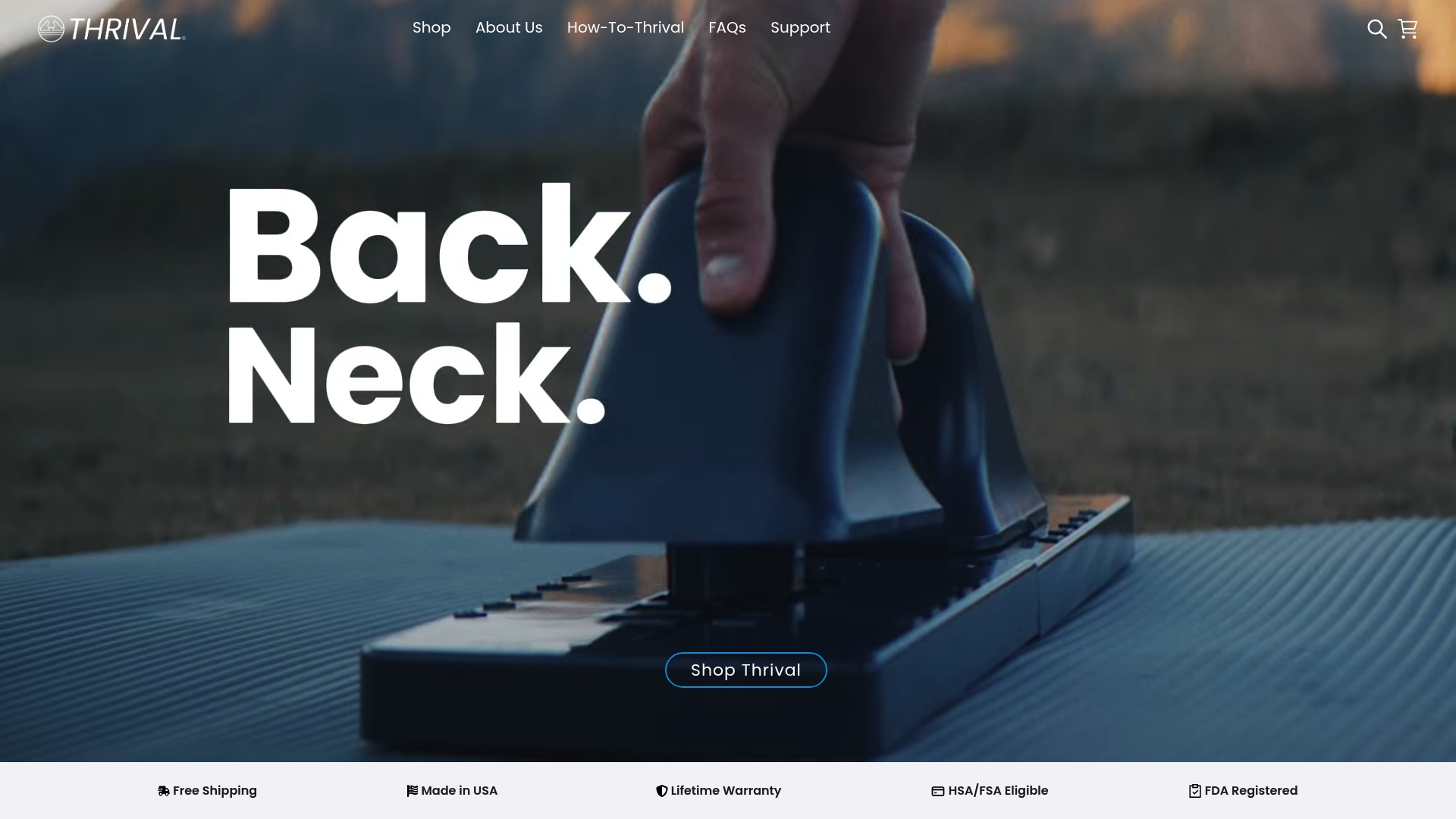
The Thrival Ballhead Attachments deliver focused, sustained pressure directly on adhesions, replicating the targeted contact of professional manual therapy. The system’s modular design lets you switch between the Wave, Bullseye, Arch, and Ballhead attachments based on the area you are treating, whether that is the back, hips, neck, or shoulders. All tools are FDA-registered, US-manufactured, and built for consistent daily use. Explore the full Thrival recovery system to find the attachment combination that fits your recovery protocol.
FAQ
What is scar tissue release in simple terms?
Scar tissue release is a therapeutic process that remodels dense, restrictive collagen adhesions formed after injury or surgery to restore normal movement and reduce pain. It uses techniques like manual therapy, IASTM, heat, stretching, and progressive loading.
How long does scar tissue release take to work?
Scar tissue remodeling is a gradual process that requires consistent effort over multiple sessions. Most people notice meaningful improvement in tissue pliability and range of motion after several weeks of regular therapy.
Can you release scar tissue at home?
Yes, home care is effective when done correctly. Start with 10–15 minutes of heat, follow with gentle massage over the adhesion, then stretch for at least 30–60 seconds. Avoid aggressive pressure that causes bruising or sharp pain.
Does scar tissue release hurt?
Mild discomfort during massage is normal and expected. Sharp pain, significant bruising, or increased swelling after treatment are signs that the technique is too aggressive and should be stopped immediately.
When should you see a professional for scar tissue therapy?
Consult a physical therapist if symptoms worsen, if the scar is near a surgical site less than six weeks old, or if you experience numbness, tingling, or significant functional limitation. Professional assessment ensures the correct structures are targeted safely.
Recommended