Wednesday, May 27, 2026
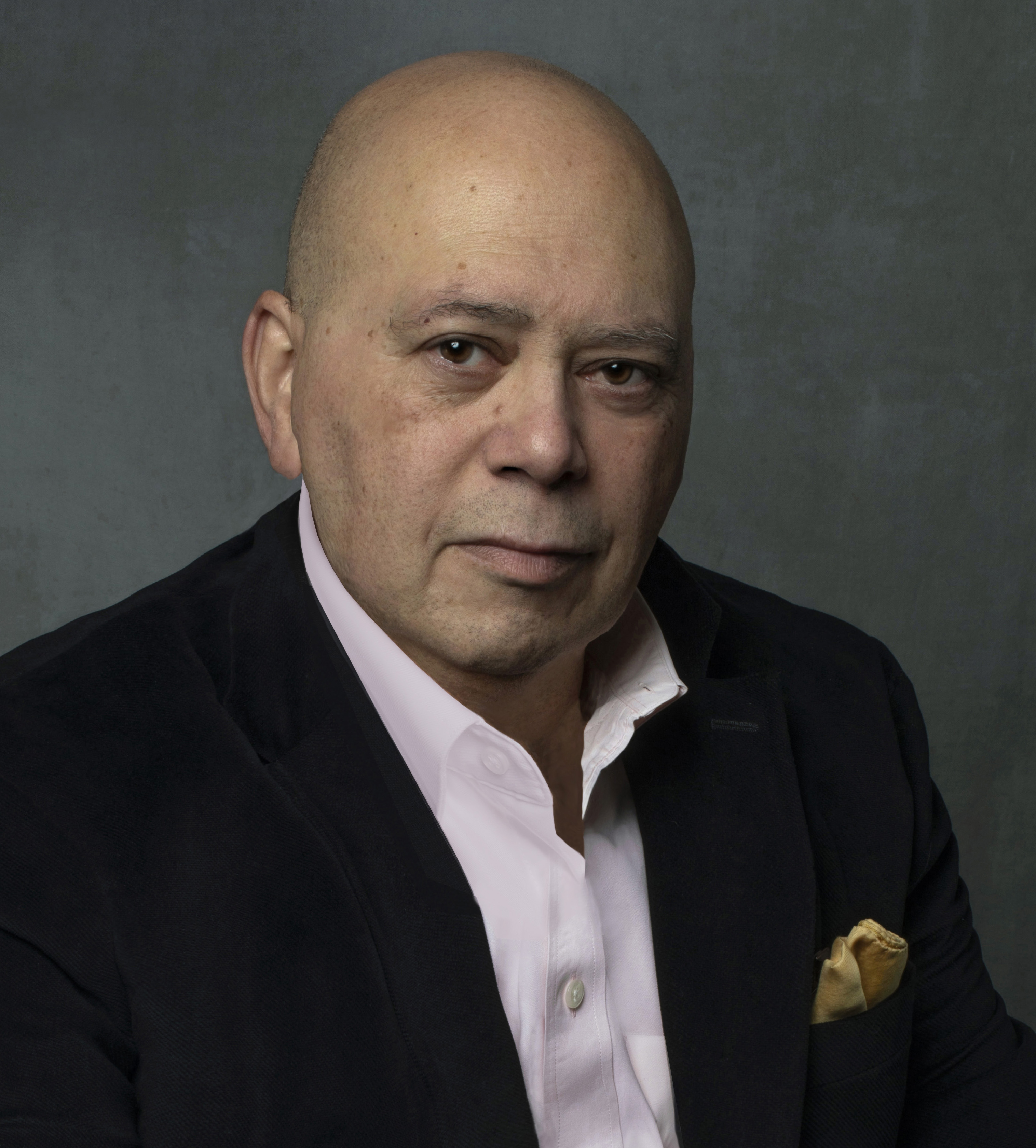
Bookpleasures.com ispleased to feature veteran advertising executive Mark S. Robinson,author of Pitch Black: The Best Black Ads of the Past 50+ Years.
.jpg)
With 45 years ofexperience, Mark explains how Black professionals built anindustry from the ground up, challenging “Total Market”strategies that often overlook cultural nuance.
In thisexclusive interview, Mark discusses the “Golden Age” of the1970s, the shift in Black identity from assimilation to empowerment,and why today’s data-driven, AI-based marketing often fails torecognize the value of lived experience.
Why domainstream brands continue to miss the mark when engaging Blackaudiences? Mark provides a direct analysis of the pioneers whodemanded visibility and the ongoing pursuit of authenticrepresentation in advertising.
Norm: What inspired youto write Pitch Black, and what made you feel this was a story thathad to be told now? Was there a moment when you realised how much ofthis history was missing from the broader record?
Mark: I retired fromadvertising in the summer of 2023. And when you retire, youbecome very nostalgic. You look back on your career and thework you have done. I started thinking about what were myfavorite ads that I had done and the best ads done by people Iadmired. But when I started looking for those ads, I couldn’tfind them. There were no collections, no archives. And asa marketer, I immediately recognized that there was a huge void herethat needed filling.
Norm: You start withthe painful history of racist caricatures and exclusion inadvertising. Why was it important to begin there? What do readerslearn by seeing the industry’s origins so clearly?
Mark: I think it isimportant to establish the contrast, and to enable people to see theprogression over time, of how Black people are represented inadvertising. We start out as nothing more than other people’sproperty. Something to be bought and sold. And then we are usedas a prop – a visual gimmick – to help sell products to thegeneral population. It took a long, long time to get to a place whereBlack people were acknowledged as legitimate customers for theproducts that companies sell.
Norm: Your own 45 yearsin advertising clearly shaped this book. How did your personalexperience influence the way you told the story? Did writing the bookbring back memories of moments that felt especially meaningful orfrustrating?
Mark: Sure. There have been plenty of times in my career where I was working withpeople that I like. People that I respect. And yet I know– I know – they really don’t get it. They really don’tunderstand why their perceptions of Black people, and their approachto marketing to Black people, are so dysfunctional. My booktries to help people see a little more clearly.
Norm: While pioneerslike Sullivan, Graham, and Brandford struggled to sustain Black-ownedagencies in the 1940s, Vince Cullers’ 1968 win of the KentCigarettes account sparked a “gold rush” for the industry.Against this backdrop, you invited four Black creative directors tocurate ads for your book. Why was this panel approach important, andwhat unique perspectives did they add that you could not haveprovided alone?
Mark: It would have beenvery arrogant, and very limiting, if I had chosen all of the adsmyself. Doing that would reflect only my taste and myopinions. It was important for the book to be more objectiveand to be more broadly representative. And it certainly didn’thurt to bring in some of the best creative minds in the business.
Norm: The bookcelebrates the best Black ads of the past 50-plus years. How did youdecide which ads belonged in the collection? What qualities made anad stand out to you and your panel of creative directors?
Mark: I think thatcreativity is a very subjective thing. And I think that if youfocus too much just on creativity, you exclude a lot of otherimportant criteria. The book tends to focus more on the adsthat had a clear impact on society, on the marketplace, on hearts andminds. We were looking for ads that changed perceptions andchanged behavior. For a marketer, that is the gold standard. In many cases, I was initially surprised by the choices made by thepanel of creative directors. But the more that I thought aboutit, the more I saw the wisdom of their selections.
Norm: You write aboutBlack ad professionals having to “perform magic” by creatingsomething from nothing. What does that mean to you personally? Howdid that reality shape the way Black agencies worked and survived?
Mark: If you were awhite advertising professional and you were starting your own new adagency, it is very likely that you came from a big Madison Avenueagency and because of your credentials and your relationships, youwere able to bring one or two clients with you to your new agency. The Black ad professionals who were starting their own agencies didnot have any of those advantages. They didn’t have thatheadstart. Furthermore, they were fighting against headwindslike the absence of any kind of successful precedent that couldinspire confidence in prospective clients. They couldn’t getbusiness loans or access to capital. They had to buildsomething from nothing.
Norm: One of thestrongest themes in the book is the difference between “man-tanning”and authentic Black representation. Can you explain that distinction?Why do you think brands struggled so long to understand thedifference?
Mark: “Man-tanning”is casting Black actors and Black models in the same ads that youcreated for your white customers, without any understanding orconsideration that your Black customers might have differentattitudes or different ways of engaging with your products. Treating everyone exactly the same might sound like a fair andwholesome approach, but it definitely is not smart marketing. Think about it. Would you sell dog food the exact same way toan Iowa family with a 200 acre farm, as you would to a family livingin an apartment in New York City?
Norm: The chapter on“Urban” versus “Black” is especially interesting. How didlanguage become a way for mainstream agencies to sidestep directacknowledgement of Black consumers? Do you see similar coded languagebeing used in advertising today?
Mark: Mainstream adagencies will never be willing to admit that minority agencies can dosomething better than them. That would be admitting defeat. That would mean giving respect to agencies that they have neverrespected. Consequently, they create language and they createnew narratives that reset the paradigm in their favor. Forexample, you might hear companies talking about their “TotalMarket” strategy, meaning that they are talking to everyone andexcluding no one. But that just means that they haveincorporated minority casting into a fundamentally white marketingmessage. Today, you hear marketers say that Gen Z or Gen Alphasees the world differently than previous generations, that race doesnot matter to them. But this logic completely misses the point,because it has never been about race. It’s about culture andlife experience.
Norm: The earlyBlack-owned agencies faced enormous obstacles. What helped some ofthem endure when so many didn’t? Were there certain accounts orbreakthroughs that opened the door for others?
Mark: The landscapeis littered with Black-owned ad agencies that didn’t last. But those that survived were not just incredibly talentedprofessionals, they were visionaries. Because necessity istruly the mother of invention. These agencies were forced tocome up with new ways to successfully market their clients’products despite smaller budgets and fewer resources. Thingslike experiential marketing. Native marketing. Integratedmarketing. These agencies invented marketing tactics andstrategies that – decades later – mainstream agencies wouldsuddenly claim they had invented.
Norm: In the late1940s, Pepsi leaders Walter Mack and Edward Boyd pioneeredmulticultural marketing by courting Black consumers and hiring anall-Black, college-educated sales team despite widespread racism.Pepsi played a major role in recognising Black consumers early on.Why do you see that as such an important turning point, and do youthink it changed the industry’s thinking?
Mark: When it comesto money, whether it is consumer products or Hollywood movies,everyone wants to copy somebody else’s success. Most peopledon’t have the courage – or the imagination – to lead. But they are more than happy to follow. Pepsi chose to lead,and suddenly everyone else began to follow.
Norm: Black hair andbeauty advertising features prominently in your book. As this fieldevolved—moving from 1950s assimilationist messaging to the 1970scelebration of the Afro—how does it reflect the broader trajectoryof Black identity and cultural pride? Did specific campaigns, such asthose by George and Joan Johnson’s empire (Ultra Sheen and AfroSheen) or the sponsorship of Soul Train, particularly capture thespirit of those times?
Mark:Absolutely. Johnson Hair Products was perfectly in syncwith the zeitgeist of Black America. In the 1960s, Ultra Sheenwas the #1 Black haircare product because it helped Black women styletheir hair in ways that made it possible to assimilate intomainstream America. In the 1970s, Afro Sheen was the #1 Blackhaircare product because it became synonymous with authenticself-expression at the height of the Black Pride andBlack-is-beautiful movement. Afro Sheen and Soul Train wereinextricably intertwined.
Norm: You describe the1970s as a “Golden Age” for Black advertising, bolstered by therise of agencies like UniWorld and Burrell and the creation of theCEBA Awards. What made that era so uniquely influential, and has theindustry ever reached that level since?
Mark: The 1970s broughtthe emergence of the Black Pride and Black-is-beautiful movements. It also was the height of the Black Power movement. Thistriggered powerful changes in the marketplace. In the 1960s,Black America wanted to be seen and treated just like the rest ofAmerica. But in the 1970s, Black America no longer wanted to betotally the same. They wanted to be who they were, in all ofthe ways that differences matter. And corporate America andMadison Avenue simply did not know how to do that. So, they hadto bring in the expert professionals who did. But in thedecades since then, Madison Avenue has been pushing backrelentlessly.
Norm: Where can ourreaders find out more about you and your book?
Mark: MY WEBSITE: Also,here’s a LINK TO A VIDEO TRAILER FOR THE BOOK
Norm: As we end ourinterview, looking at advertising today, what do you think is stillnot being fully understood about Black audiences and Black creatives?What would you most like to see brands and agencies do differentlygoing forward?
Mark: I just read afascinating article by a colleague of mine, Joycelyn David, aboutefforts to use AI to conduct multicultural marketing and advertising,and why it is destined to fail. The article explains that AIprocesses all of this data, demographics, purchase patterns, surveyresponses, etc. and formulates strategies for marketing tomulticultural consumers. But data is not insight. Knowledge isnot wisdom and purchase patterns are not lived experiences. Nomatter how hard corporate America tries to avoid hiring minoritymarketing professionals, there still is no substitute for what webring to the table.
Thank you so much forinviting me to have this conversation with you. It has been apleasure. I hope that your readers will pre-order a copy ofPitch Black and pick it up when it comes out on September
Norm Goldman of Bookpleasures.com