Wednesday, July 1, 2026
Relaxation is defined as an active physiological state that reverses the body’s stress response and creates the conditions your body needs to repair itself. The role of relaxation in healing goes far beyond simply feeling calm. When you trigger what Dr. Herbert Benson identified as the relaxation response, your parasympathetic nervous system takes over, slowing your heart rate, lowering blood pressure, and shifting your body’s resources toward tissue repair and immune function. This guide explains the science, the best techniques, and how to build a daily practice that actually works.
The relaxation response is not passive. It is an active physiological reversal of the fight-or-flight state, triggered by a mental focus device and a calm, non-judgmental attitude toward your own thoughts. That distinction matters because it means you cannot achieve true recovery by simply sitting on the couch and scrolling your phone.
When the relaxation response activates, measurable changes happen fast. Research shows heart rate, blood pressure, and oxygen consumption drop within 3–5 minutes and those effects last 15–30 minutes. That window is when your body shifts from spending energy on alertness to spending it on repair.
The parasympathetic nervous system drives these changes. It slows breathing, reduces cortisol output, and increases blood flow to muscles and organs. Chronically elevated cortisol suppresses immune function and delays wound healing. Lowering it consistently gives your body a real chance to recover.
- Reduced heart rate lowers the cardiovascular load on healing tissue
- Lower blood pressure improves circulation to injured areas
- Decreased oxygen consumption signals the body to enter repair mode
- Reduced cortisol allows immune cells to function without interference
- Improved blood flow delivers nutrients and removes waste from damaged tissue
Pro Tip: Set a timer for 5 minutes and focus only on slow, diaphragmatic breathing. That brief window is enough to begin shifting your nervous system toward the parasympathetic state.
What are the key relaxation techniques that aid healing?
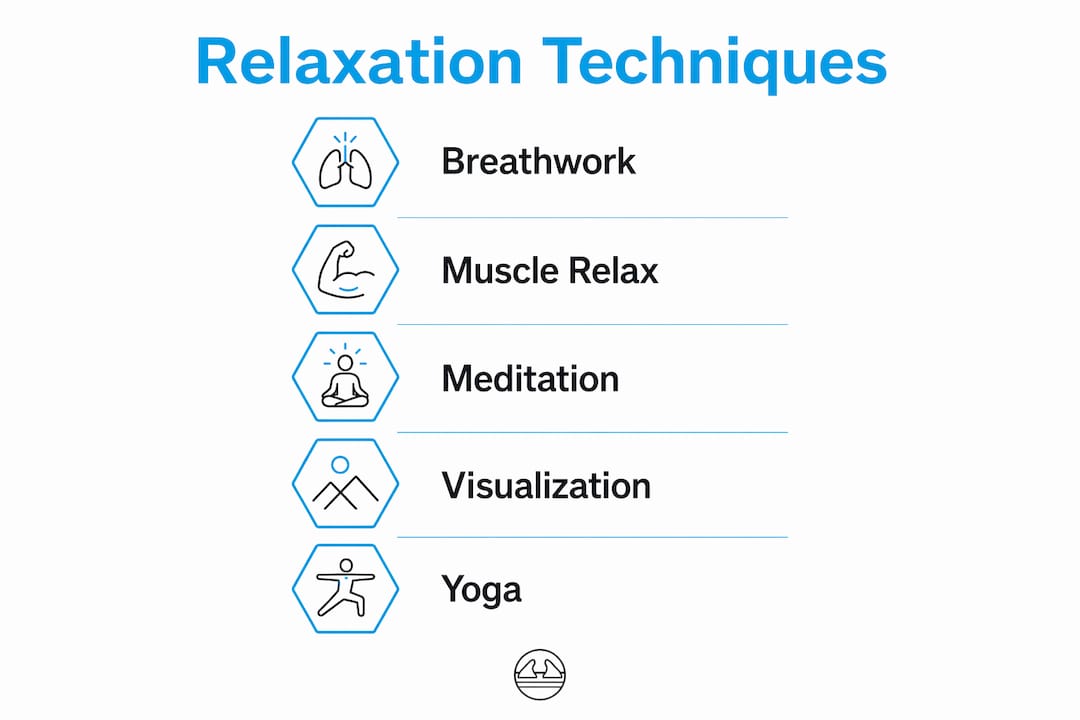
Not all relaxation methods work the same way, but the most effective ones share a common feature: they give your nervous system a clear signal to stand down. Here are the techniques with the strongest evidence behind them.
Progressive Muscle Relaxation (PMR). PMR involves tensing and then releasing muscle groups in sequence. Daily PMR over 4 weeks produces significant reductions in both systolic and diastolic blood pressure in adults with essential hypertension. The physical act of releasing tension teaches your nervous system what true muscle relaxation feels like.
Meditation and mindfulness. Meditation trains your attention, which directly quiets the stress response. WHOOP member data from 2026 shows meditation improves recovery metrics by 1%, a measurable gain tracked across thousands of real-world users. That number is small in isolation but compounds significantly with daily practice.
Massage therapy. Massage directly activates the parasympathetic nervous system. Relaxation massage reduces muscle guarding, improves circulation, and decreases pain sensitivity. It also complements other therapies by making muscles more receptive to treatment. The same WHOOP data shows massage improves recovery metrics by 0.82%.
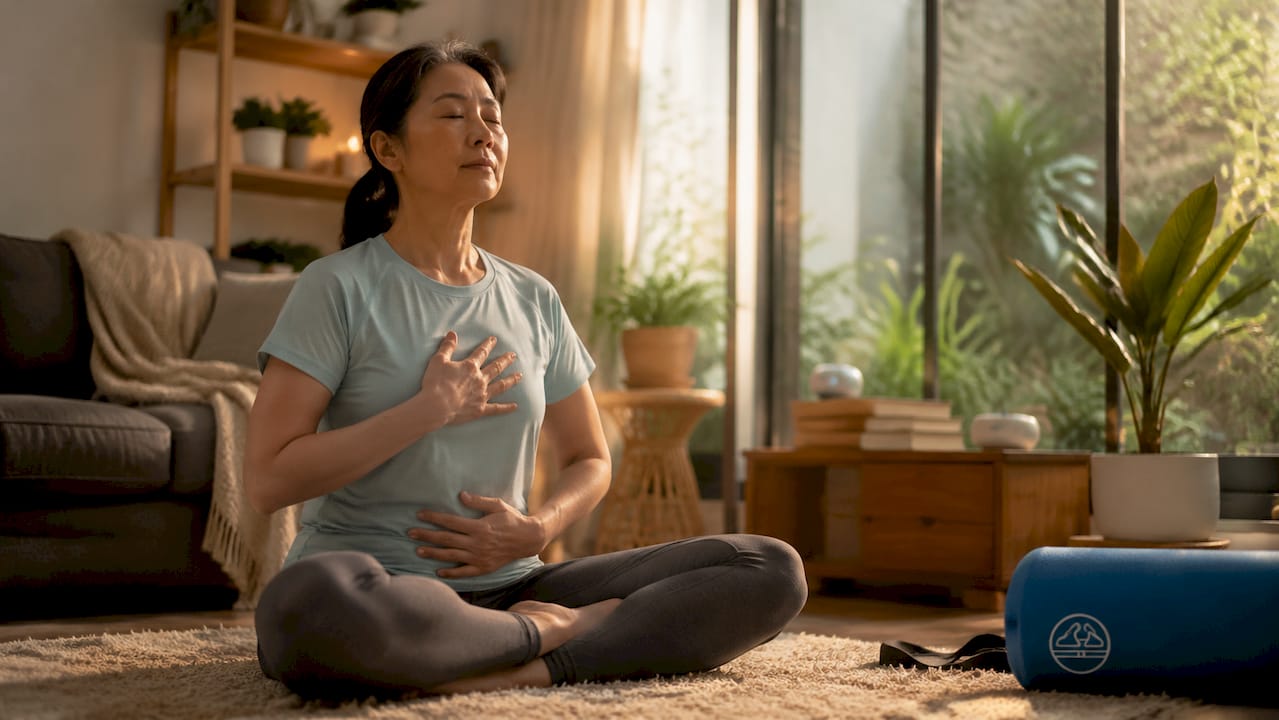
Breathwork. Controlled breathing, including box breathing and 4-7-8 patterns, directly stimulates the vagus nerve, which is the main pathway for parasympathetic activation. Results are immediate and require no equipment.
Yoga and tai chi. Both combine movement, breath control, and mental focus. They are particularly effective for people who find seated meditation difficult, since the physical component gives the mind something concrete to anchor to.
Prayer and repetitive focus. Dr. Benson’s original research found that any repetitive mental focus, including prayer, produces the relaxation response. The technique matters less than the consistency of practice.
| Technique | Primary mechanism | Time to effect |
|---|
| Progressive Muscle Relaxation | Muscle tension release | 10–20 minutes |
| Meditation | Attention regulation | 5–15 minutes |
| Massage therapy | Parasympathetic activation | 10–30 minutes |
| Breathwork | Vagus nerve stimulation | 2–5 minutes |
| Yoga and tai chi | Combined movement and breath | 20–45 minutes |
Pro Tip: If you are new to relaxation practice, start with breathwork. It requires no training, no equipment, and produces a measurable nervous system shift within minutes.
What are the physical and mental health benefits of regular relaxation?
The benefits of relaxation for health span every major system in the body. The evidence is strongest for cardiovascular health, mental wellness, sleep, and immune function.
On the physical side, 12 weeks of daily PMR produces dramatic improvements in quality of life for people with pulmonary arterial hypertension, a population with serious cardiovascular stress. That finding shows relaxation techniques work even in clinical, high-stakes conditions. Muscle tension relief is another direct benefit. Chronic tension restricts blood flow and compresses nerves, slowing tissue repair. Releasing that tension consistently speeds recovery.
Sleep quality is one of the most underappreciated benefits. True recovery requires a specific nervous system shift that enables slow-wave sleep, the stage where cellular repair actually happens. Without that shift, you may sleep for eight hours and still wake up unrecovered. Practicing 30 minutes of PMR daily for just 5 days reduces anxiety by 15% and improves sleep quality by over 30% in people with stress-related insomnia.
- Blood pressure control: Consistent relaxation practice lowers both systolic and diastolic readings without medication
- Anxiety and depression reduction: Clinical studies show significant psychological improvements after 12 weeks of structured practice
- Immune function: Lower cortisol allows immune cells to respond faster and more effectively to injury and illness
- Inflammation reduction: Parasympathetic activation reduces pro-inflammatory markers, speeding tissue healing
- Pain sensitivity: Regular relaxation raises the pain threshold by calming the central nervous system’s threat response
The mental health benefits are equally concrete. Reduced anxiety means your body spends less energy on perceived threats and more on repair. Reduced depression correlates with better adherence to rehabilitation programs, which directly improves physical outcomes. The two systems are not separate. Mental state directly shapes physical healing speed.
How can you build a daily relaxation routine that supports healing?
Consistency beats duration every time. Regular short relaxation sessions are more effective than sporadic long ones for training the nervous system and improving recovery. Think of it like strength training: a 10-minute daily practice builds more capacity than a two-hour session once a week.
Here is how to build a routine that sticks:
- Anchor it to an existing habit. Practice breathwork or PMR immediately after waking or before bed. Attaching a new behavior to an existing one dramatically improves follow-through.
- Minimize distractions deliberately. Silence your phone, dim the lights, and choose a consistent location. Your nervous system learns to associate that environment with relaxation, making it easier to shift states over time.
- Do not fight your thoughts. The most common mistake is trying to force thoughts away. The correct approach is to notice and redirect calmly, without judgment. Passive attention, not suppression, is what triggers the relaxation response.
- Use relaxation during rehabilitation. If you are recovering from an injury or managing a chronic condition, schedule a relaxation session before and after physical therapy. Muscles release more effectively when the nervous system is calm, and recovery is an active factor that requires deliberate management.
- Pair relaxation with physical recovery tools. Massage tools, targeted muscle release devices, and breathwork work best together. Physical tension release and nervous system regulation reinforce each other.
Pro Tip: Build a 30-minute screen-free wind-down before sleep. This single habit creates the nervous system conditions needed for slow-wave sleep, which is when your body does its deepest repair work.
For athletes and active individuals, the importance of stress relief in healing is especially high. Exceeding your recovery capacity without deliberate rest leads to stagnation, not progress. Genuine rest without performance demands is often the most productive thing you can do for your body.
Key Takeaways
Relaxation actively triggers the parasympathetic nervous system, creating the physiological conditions your body needs for tissue repair, immune function, and mental recovery.
| Point | Details |
|---|
| Relaxation is active, not passive | The relaxation response requires a mental focus technique, not just absence of activity. |
| Consistency drives results | Short daily sessions train the nervous system more effectively than occasional long ones. |
| PMR delivers measurable gains | Daily PMR reduces blood pressure significantly and improves sleep quality by over 30% in 5 days. |
| Sleep quality is the hidden link | Relaxation enables slow-wave sleep, the stage where cellular repair actually occurs. |
| Physical and mental benefits connect | Reduced anxiety and lower cortisol directly speed physical healing and tissue recovery. |
Why I think most people are getting recovery completely wrong
Most people treat relaxation as a reward for hard work, something you earn after a tough week. That framing is backwards. Relaxation is a physiological requirement, not a luxury, and treating it as optional is one of the most common reasons people plateau in both fitness and recovery from illness.
I have seen this pattern repeatedly. Someone does everything right: they eat well, they exercise, they follow their rehabilitation program. But they never actually calm their nervous system down. They are always slightly activated, slightly stressed, always in a low-grade fight-or-flight state. Their cortisol stays elevated. Their sleep is technically adequate but not restorative. Their muscles stay tight. And they wonder why they are not getting better faster.
The uncomfortable truth is that passive lounging is not recovery. Watching television for two hours does not trigger the relaxation response. Your nervous system needs a specific signal, and that signal comes from deliberate practice: PMR, breathwork, meditation, or therapeutic massage. The technique matters less than the intention behind it.
What I find most interesting is how quickly the body responds when you give it the right signal. The research on breathwork shows nervous system shifts within 2–5 minutes. That is not a long commitment. The barrier is not time. It is the belief that relaxation is not serious enough to schedule. Change that belief, and your recovery changes with it.
— Cameron
Physical relaxation and nervous system recovery work best when you address both the mental and muscular sides of tension. Tight muscles keep your nervous system in a guarded state, and a guarded nervous system keeps your muscles tight.
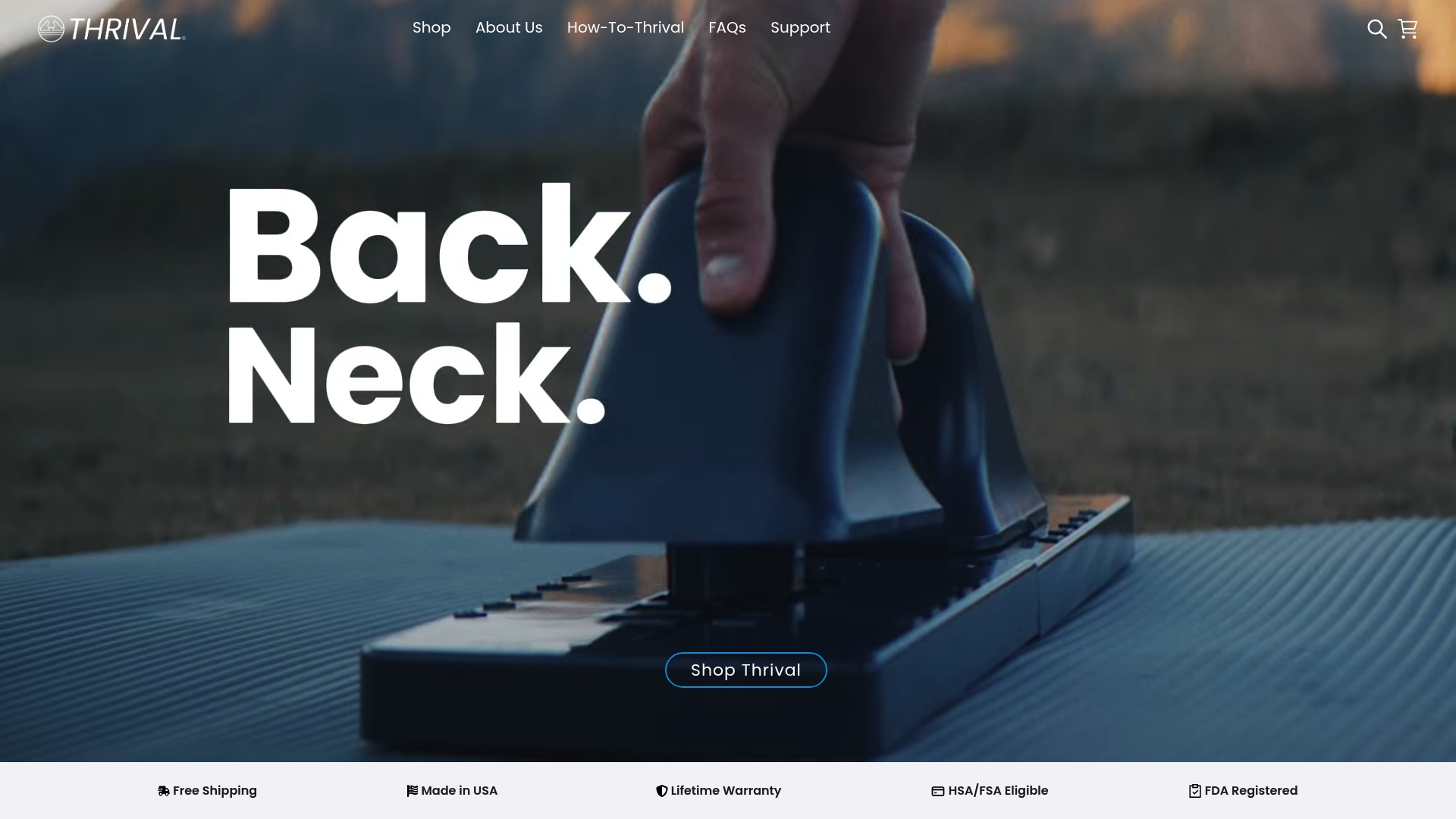
Thrival’s muscle recovery tools are built specifically for targeted muscle release in the back, hips, neck, and shoulders. The non-motorized base board system lets you attach the Thrival Wave, Bullseye, Arch, or Ballhead depending on the muscle group you are working. Each attachment delivers focused deep tissue pressure that signals your muscles to release, directly supporting the parasympathetic shift your relaxation practice is trying to create. The Thrival Arch attachment is particularly effective for spinal decompression and back tension, two of the most common barriers to full recovery. Free shipping, a lifetime warranty, and FDA registration back every product.
FAQ
What is the relaxation response?
The relaxation response is an active physiological state, identified by Dr. Herbert Benson, that reverses the fight-or-flight stress response. It lowers heart rate, blood pressure, and oxygen consumption within 3–5 minutes of practice.
Can relaxation actually speed up physical healing?
Yes. Relaxation lowers cortisol, reduces inflammation, and improves blood flow to injured tissue. It also enables slow-wave sleep, the stage where cellular repair occurs, making it a direct contributor to physical recovery.
How long does it take to see benefits from relaxation techniques?
Benefits begin within a single session. Blood pressure and heart rate drop within minutes of triggering the relaxation response. Sustained benefits like anxiety reduction and improved sleep quality appear within 5–12 days of consistent daily practice.
What is the most effective relaxation technique for healing?
Progressive Muscle Relaxation has the strongest clinical evidence for blood pressure reduction and sleep improvement. Massage therapy and meditation both show measurable recovery gains tracked by wearable devices in 2026.
How does relaxation support muscle recovery?
Relaxation activates the parasympathetic nervous system, which reduces muscle guarding, improves circulation, and lowers pain sensitivity. These effects make muscles more responsive to physical therapy and recovery tools.
Recommended