Monday, July 13, 2026
Physical therapists are licensed clinicians who assess, treat, and rehabilitate individuals with movement impairments, pain, or functional limitations to restore mobility and improve quality of life. The role of physical therapists extends across diagnosis, hands-on treatment, and patient education, making them central to both recovery and long-term injury prevention. Physical therapy carries a 68–72% overall success rate across most conditions, with patients experiencing 40–50% pain reduction for back pain within 4–6 weeks. That success rate reflects a discipline built on measurable outcomes, not passive treatment. Whether you are recovering from ACL surgery, managing arthritis, or preventing a fall, a physical therapist is your most direct path back to full function.
What are the primary duties of physical therapists?
Physical therapists act as both diagnosticians and clinicians. They evaluate movement, neurological function, and psychosocial factors to determine the right rehabilitation plan for each patient. That dual role separates physical therapy from most other healthcare disciplines, where assessment and treatment are often handled by different providers.
The core physical therapist duties include:
- Initial evaluation: Measuring range of motion, strength, balance, gait, and pain levels to establish a baseline.
- Individualized treatment planning: Setting measurable goals tied to the patient’s specific condition, lifestyle, and timeline.
- Therapeutic exercise: Prescribing progressive loading programs that rebuild strength, stability, and coordination.
- Manual therapy: Applying joint mobilization, soft tissue techniques, and neuromuscular retraining to restore movement.
- Progress monitoring: Reassessing outcomes regularly and adjusting the treatment plan when progress stalls.
- Patient education: Teaching proper movement mechanics, ergonomics, and home exercise programs to prevent re-injury.
The distinction between active and passive treatments matters here. Passive modalities like heat, ice, or electrical stimulation can reduce symptoms temporarily. Active treatments, meaning exercises and movement retraining, produce lasting structural change in tissue and motor control. Physical therapists prioritize active loading because that is what drives durable recovery.
Pro Tip: Ask your physical therapist to explain the “why” behind every exercise they prescribe. Understanding the purpose of each movement increases your adherence and speeds your results.

How do physical therapists contribute to recovery after injury or surgery?
Post-surgical and post-injury recovery is where the importance of physical therapy becomes most visible. Post-surgical physical therapy reduces overall recovery time by 20–30% compared to no PT. That is not a marginal gain. For a patient recovering from a total knee replacement, a 20–30% shorter recovery means weeks of restored independence returned ahead of schedule.
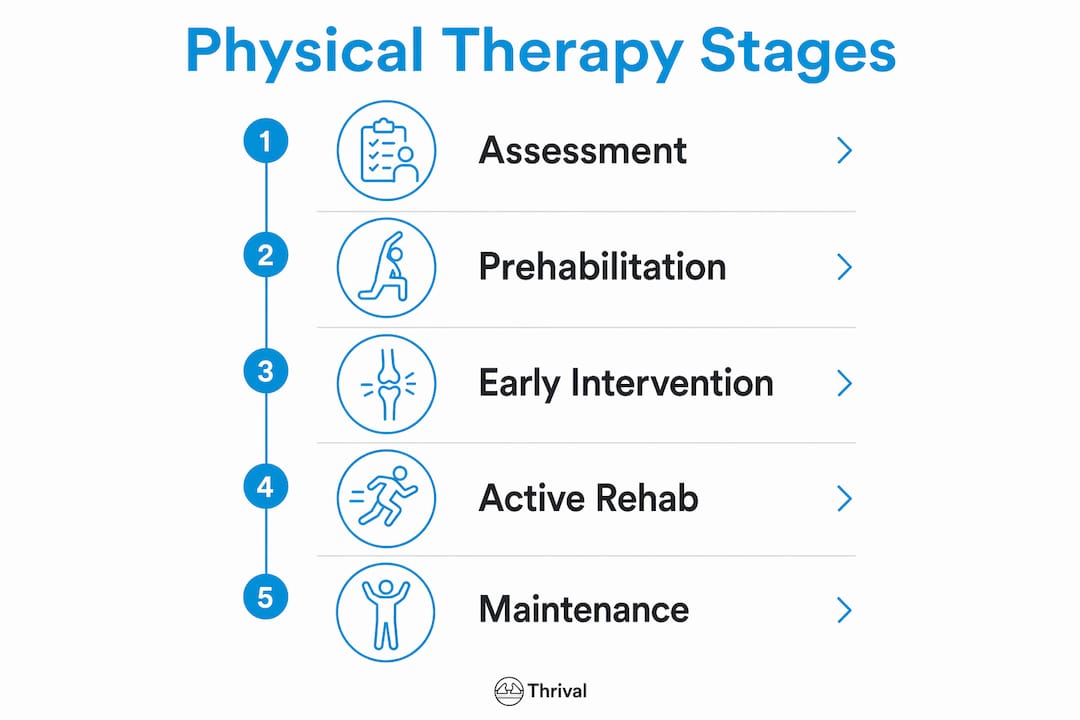
Physical therapists guide recovery through a structured sequence:
- Acute phase management: Controlling swelling, restoring basic range of motion, and protecting healing tissue in the first days after injury or surgery.
- Strength rebuilding: Progressively loading muscles around the affected joint to restore stability and prevent compensatory movement patterns.
- Functional retraining: Reintroducing sport-specific or daily-life movements, such as squatting, climbing stairs, or lifting, in a controlled environment.
- Return-to-activity testing: Using objective measures like single-leg hop tests or grip strength assessments to confirm readiness before full return to sport or work.
Prehabilitation is one of the most underused tools in surgical preparation. Starting physical therapy before elective surgery can begin up to 8 weeks prior and measurably improves post-surgical outcomes. Patients who enter surgery with stronger muscles and better movement patterns recover faster and with fewer complications.
Early intervention also carries significant financial benefits. Starting physical therapy within 3 days of musculoskeletal pain onset reduces surgery risk by 53% and lowers healthcare costs by 44%. That figure reframes physical therapy not as a treatment of last resort, but as a first-line response to pain and injury.
Physical therapy also addresses opioid dependency. Prescription drug dependency dropped from 70% to 57% in chronic pain patients with expanded access to physical therapy. That reduction reflects how effective movement-based treatment is at addressing pain at its source rather than masking it.
For mobility and recovery after surgery, the combination of professional PT guidance and consistent home practice produces the best outcomes.
What is the importance of physical therapists in injury prevention?
Injury prevention is a core function of physical therapy, not a secondary benefit. Physical therapists identify movement dysfunctions before they become injuries, making them as valuable before a problem occurs as after one does.
Key prevention and chronic condition management roles include:
- Balance and fall prevention: Physical therapy is effective for balance training and fall prevention, especially in older adults with osteoporosis. Falls are the leading cause of injury-related death in adults over 65, and targeted PT programs directly reduce that risk.
- Chronic pain management: Physical therapists design programs for conditions like arthritis, fibromyalgia, and chronic low back pain that reduce pain without medication dependency.
- Aging and functional independence: Physical therapy helps older adults maintain independence by counteracting age-related declines in muscle mass, balance, and bone density. Staying mobile is not accidental. It requires deliberate, structured effort.
- Pelvic floor therapy: Specialized physical therapists treat incontinence, pelvic pain, and postpartum recovery, conditions that are often undertreated because patients do not know PT can address them.
- Vestibular therapy: Physical therapists treat dizziness and vertigo through repositioning maneuvers and balance retraining, often resolving symptoms in a handful of sessions.
- Ergonomic education: For desk workers and manual laborers, PTs identify posture and workstation problems that cause repetitive strain injuries and teach corrections before damage accumulates.
Physical therapists provide specialized therapies across neurological, cardiovascular, and pelvic conditions, with board certifications in geriatrics, neurology, cardiovascular health, and pelvic health. That breadth means physical therapy is rarely a one-size-fits-all treatment. Your therapist’s specialty matters as much as their general training.
Pro Tip: If you are over 50 or have a history of falls, ask your doctor for a physical therapy referral specifically for a fall risk assessment. Many insurance plans cover this with no out-of-pocket cost.
How do physical therapists integrate active rehab with other therapies?
Active rehabilitation is the foundation of physical therapy success. Active loading of tissues and patient adherence to home programs increases success rates by up to 70%. That number reflects a well-documented principle: tissues adapt to the demands placed on them, and passive rest does not create the mechanical stimulus needed for healing.
Physical therapists combine several treatment categories to build a complete program:
| Treatment type | Role in recovery | Example |
|---|
| Therapeutic exercise | Primary driver of tissue adaptation and strength | Squats, resistance band work, core stabilization |
| Manual therapy | Restores joint mobility and reduces muscle guarding | Joint mobilization, soft tissue massage |
| Neuromuscular retraining | Rebuilds movement patterns and proprioception | Single-leg balance, perturbation training |
| Adjunct modalities | Temporary symptom relief to enable active work | Ultrasound, TENS, dry needling |
| Home exercise programs | Extends treatment effect between clinic visits | Daily stretching and strengthening routines |
Adjunct modalities like ultrasound and electrical stimulation are supplements, not substitutes. They reduce pain enough to allow active exercise, but they do not rebuild strength or restore function on their own. Physical therapists who rely heavily on passive modalities without progressing patients to active loading are not delivering best-practice care.
Telehealth physical therapy has expanded access for patients in rural areas or those with mobility limitations. Remote sessions work well for exercise instruction, movement coaching, and progress monitoring, though hands-on manual therapy still requires in-person visits. Understanding neuromuscular therapy techniques can help you get more from both in-clinic and remote sessions.
Key Takeaways
Physical therapists are the most direct clinical path to restoring movement, reducing pain, and preventing re-injury through active, evidence-based rehabilitation.
| Point | Details |
|---|
| High success rate | Physical therapy achieves a 68–72% success rate across most conditions, with measurable pain reduction within weeks. |
| Early intervention saves money | Starting PT within 3 days of pain onset cuts surgery risk by 53% and healthcare costs by 44%. |
| Active loading drives results | Home exercise adherence increases PT success rates by up to 70%; passive modalities alone do not produce lasting change. |
| Prehab improves surgery outcomes | Beginning PT up to 8 weeks before elective surgery shortens recovery time and reduces complications. |
| PT scope extends beyond muscles | Physical therapists treat neurological, pelvic, vestibular, and cardiovascular conditions, not just musculoskeletal injuries. |
What I have learned about physical therapy after years of watching it work
Physical therapy is one of the most misunderstood disciplines in healthcare. Patients often arrive expecting to lie on a table while someone works on them. The ones who recover fastest are the ones who realize quickly that their effort is the treatment.
The research backs this up clearly. Adherence to home exercise programs is the single biggest predictor of long-term success. Clinics can provide the best manual therapy in the world, but if you do not do the work between sessions, you will plateau. I have seen this pattern repeat across every type of condition, from post-surgical knee rehab to chronic neck pain.
What surprises most people is how early physical therapy should start. Waiting weeks after an injury to begin treatment is one of the most costly decisions a patient can make, both financially and physically. The 53% reduction in surgery risk from early PT is not a small effect. It is a clinically significant finding that should change how you respond to your first sign of musculoskeletal pain.
The other underappreciated reality is that physical therapists are diagnosticians. They do not just follow a surgeon’s orders. They assess movement, identify compensations, and build a clinical picture that often reveals problems the imaging never showed. Respecting that diagnostic role, and communicating openly with your therapist about what you feel during exercises, makes the entire process more effective.
Physical therapy works best when you treat it like training, not like a medical appointment you endure. Show up prepared, do the home program, and ask questions. The therapists who get the best outcomes from their patients are the ones who teach patients to eventually not need them anymore.
— Cameron
Physical therapy sessions are typically two to three times per week. What you do on the other days determines how fast you progress.

Thrival’s muscle recovery tools are built to extend the work your physical therapist starts in the clinic. The system uses a single base board with interchangeable attachments, including the Thrival Arch for spinal decompression and the Thrival Bullseye for targeted deep tissue release in the hips, back, and shoulders. Each attachment targets a specific muscle group without motors or batteries. Thrival tools are FDA-registered, US-manufactured, and backed by a lifetime warranty, making them a reliable addition to any home recovery program your PT prescribes.
FAQ
What does a physical therapist do on the first visit?
On the first visit, a physical therapist conducts a full evaluation that includes movement assessment, strength testing, pain history, and functional goals. This evaluation forms the basis of your individualized treatment plan.
How long does physical therapy take to show results?
Physical therapy typically produces measurable pain reduction within 4–6 weeks for conditions like back pain, with a 40–50% improvement reported across studies. Recovery timelines vary based on condition severity and how consistently you follow your home exercise program.
Can physical therapy replace surgery?
Starting physical therapy within 3 days of musculoskeletal pain onset reduces surgery risk by 53%, according to current research. PT does not replace surgery in all cases, but early intervention frequently eliminates the need for it in musculoskeletal conditions.
What is the difference between physical therapy and massage therapy?
Physical therapy addresses movement dysfunction, strength deficits, and functional limitations through exercise, manual therapy, and patient education. Massage therapy focuses primarily on soft tissue relaxation and does not include exercise prescription or movement retraining.
What conditions do physical therapists treat beyond sports injuries?
Physical therapists treat neurological conditions like stroke and Parkinson’s disease, cardiovascular conditions, pelvic floor dysfunction, vestibular disorders causing dizziness, and age-related mobility decline. Board certifications in these specialties reflect the clinical depth required for each area.
Recommended