Sunday, May 31, 2026
Massage therapy has long been dismissed as an indulgence reserved for spa days or post-race recovery tents. But the role of massage in wellness runs much deeper than muscle relaxation after a tough workout. Emerging research, including a 2026 evidence map from the VA analyzing over 15 systematic reviews, now supports massage as a clinically relevant tool for chronic pain, mental health, immune function, and quality of life. This article breaks down exactly what current evidence says, what it does not say, and how you can use that knowledge to build a smarter wellness routine.
Table of Contents
Key takeaways
| Point | Details |
|---|
| Stronger evidence in 2026 | Massage now holds moderate-certainty evidence for chronic low back pain, fibromyalgia, and myofascial pain. |
| Mental health benefits are real | Regular massage reduces stress and depressive symptoms, particularly with ongoing programs over weeks or months. |
| Technique specificity matters | Abdominal massage has high-certainty evidence for constipation relief; not all benefits apply to all massage types. |
| Self-massage is a viable option | Eight weeks of self-massage showed meaningful immune and general health improvements in a 2026 pilot study. |
| Dosing shapes outcomes | Session frequency and duration affect results significantly, so aligning your schedule with your goals matters. |
The role of massage in wellness for physical health
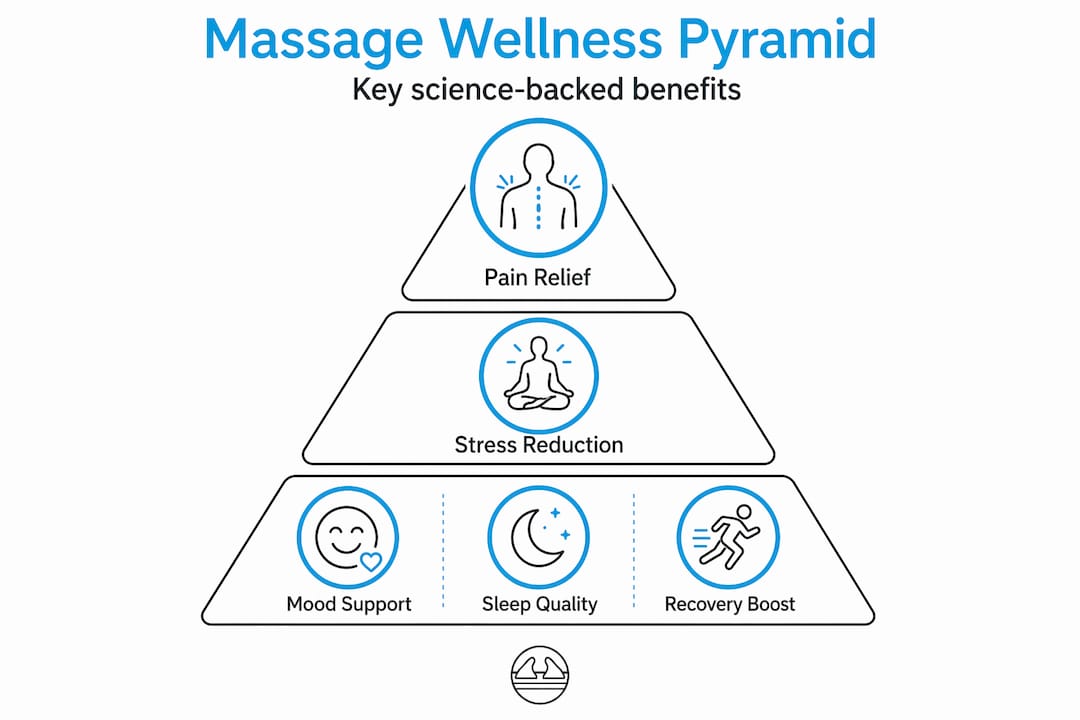
The physical benefits of massage therapy are where the science is most established. A 2026 evidence map update from the VA, drawing on 15 systematic reviews since 2018, found moderate-certainty evidence that massage reliably benefits people with chronic low back pain, fibromyalgia, and myofascial pain. That is a meaningful upgrade from earlier conclusions that rated most evidence as low-certainty.
Why does this matter? Because moderate certainty means researchers have reasonable confidence in the finding, not just a hopeful signal from a single small study. For people managing persistent back pain or widespread muscle tenderness, this level of evidence is enough to consider massage a legitimate part of their care plan rather than a supplementary luxury. A detailed breakdown of the evidence for chronic pain management reinforces that massage reduces muscle stiffness, lowers joint inflammation, and improves circulation, all of which accelerate tissue recovery and reduce discomfort over time.
The mechanism is straightforward. Increased blood flow delivers oxygen and nutrients to strained tissue while removing metabolic waste products. Techniques like deep tissue massage and myofascial release target adhesions and areas of restricted movement directly. Swedish massage promotes broader circulatory improvement and nervous system downregulation.
Here is a quick comparison of the primary massage types most relevant to physical wellness:
| Massage type | Primary focus | Best suited for |
|---|
| Swedish massage | Circulation, relaxation | General wellness, light muscle tension |
| Deep tissue massage | Fascial adhesions, chronic tension | Back pain, repetitive strain injuries |
| Myofascial release | Connective tissue mobility | Limited range of motion, post-injury stiffness |
| Acupressure | Pressure point stimulation | Pain relief, nausea, targeted symptom management |
Pro Tip: Frequency and duration, sometimes called “dosing,” determine a lot of what you get from massage. Most studies showing significant physical benefits used sessions of 30 to 60 minutes delivered weekly or biweekly for at least four weeks. A single session feels good. Consistent sessions produce measurable change.
Massage and mental health benefits
The connection between massage and mental health is well supported and often underappreciated. A 2026 mixed-methods study following Swedish nurses over 12 months found that monthly classic massage produced positive signals for stress reduction, mental health improvements, and better quality of life. Nurses work in high-demand environments, and the fact that even monthly sessions produced measurable mental wellness signals is telling.
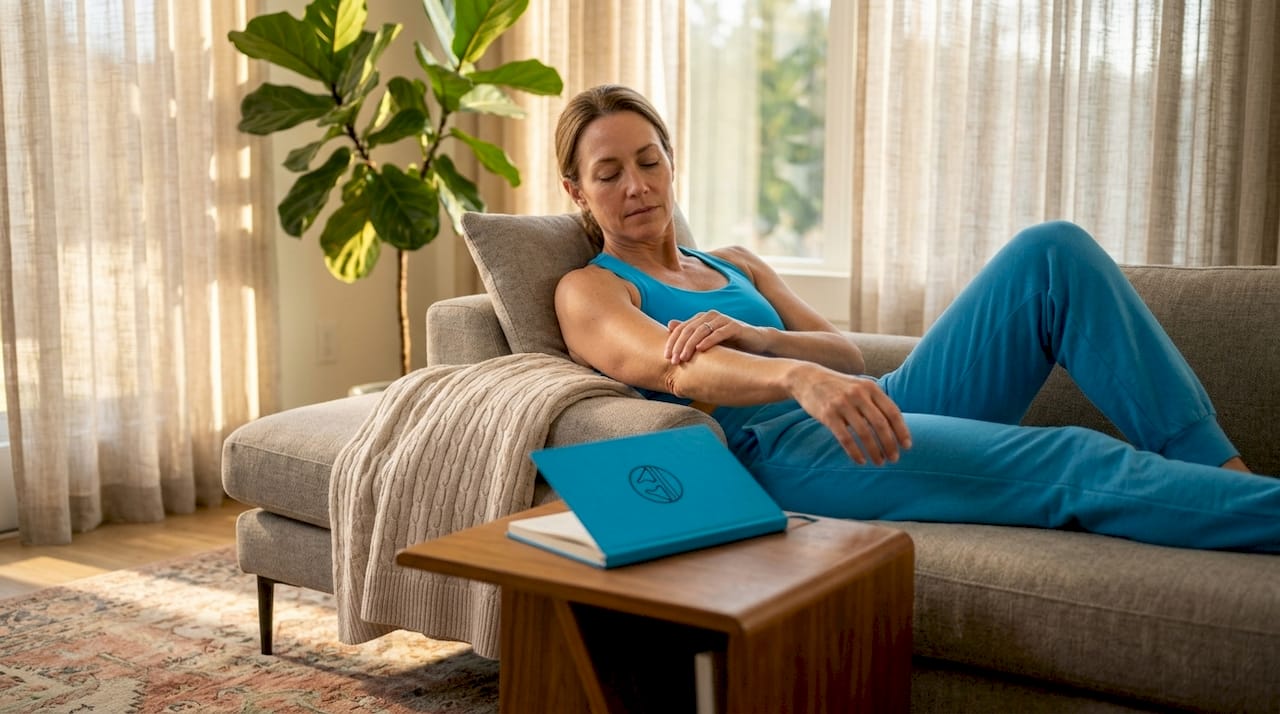
The physiological pathway is well understood. Touch activates the parasympathetic nervous system, triggering the relaxation response and reducing cortisol levels. The body also releases endorphins and serotonin during massage, both of which directly affect mood and perceived stress. This is not passive relaxation. It is a biological shift.
Here is what the broader evidence shows for mental wellness:
- Stress reduction begins within a single session and builds with regular practice, particularly in high-stress professions and caregiving roles.
- Anxiety relief has been documented in cancer patients, surgical patients, and the general population across multiple systematic reviews.
- Depressive symptoms show moderate improvement, particularly when massage is delivered as part of an ongoing program rather than a one-time treatment.
- Sleep quality improves in cancer patients and people with chronic illness, though the evidence on sleep is less consistent across general populations.
“Massage often shows stronger early signals in stress and mental health measures compared to sleep or sustained pain relief. Setting realistic expectations about timing and outcomes improves satisfaction and adherence.” — 2026 VA-supported nurse massage feasibility study
The important caveat here is variability. Massage does not affect everyone’s mental health equally. Individual responsiveness, session consistency, and the specific technique used all shape the outcome. Stress relief through massage is real, but it works best when treated as a regular practice rather than a crisis response.
Holistic wellness benefits beyond pain and stress
The importance of bodywork extends beyond what most people expect. Massage’s role in holistic wellness practices includes meaningful effects on immune function, digestive health, and quality of life measures in chronic disease populations.
Here is a structured look at where current evidence stands on non-painful wellness outcomes:
Immune function. A 2026 pilot randomized controlled trial found that eight weeks of self-massage significantly improved immune status and perceived general health in young adults, with no adverse events. The sample was small at 38 participants, but the findings are promising enough to justify wider investigation.
Digestive health. Abdominal massage holds high-certainty evidence for improving functional constipation. This is one of the most well-supported non-painful benefits of massage, and it illustrates a key principle: specific techniques produce specific outcomes.
Quality of life in chronic illness. A 2025 to 2026 umbrella review of 175 primary studies in cancer survivors found that therapeutic massage improved pain, fatigue, anxiety, sleep, and overall quality of life, with only mild adverse events reported in uncommon cases.
Mood and sleep via acupressure. Auricular and standard acupressure show moderate-certainty evidence for improving sleep quality and depressive symptoms in select populations, particularly older adults and those with chronic conditions.
The impact of touch on wellness also carries a less discussed dimension: the psychological effect of intentional, therapeutic contact. Human touch reduces perceived isolation, calms the nervous system, and reinforces the sense that the body is being cared for. These benefits are harder to quantify but real.
Pro Tip: Do not assume all massage techniques produce the same results. Abdominal massage for constipation, deep tissue for myofascial pain, and acupressure for sleep each require distinct approaches. Matching the technique to the goal is where most people leave results on the table.
How to integrate massage into your wellness routine
Building a practical, evidence-informed massage routine does not require a standing appointment with an expensive practitioner. It requires understanding your goals, your options, and how to structure sessions around real outcomes.
Here is how to approach it:
- Define your primary goal first. Chronic back pain calls for deep tissue or myofascial release. General stress reduction and sleep improvement respond well to Swedish massage. Digestive issues benefit from abdominal massage specifically. You can explore a full breakdown of massage techniques for health to match technique to condition.
- Establish a consistent schedule. No single frequency works for everyone, but the research pool consistently points to weekly or biweekly sessions for at least four weeks before drawing conclusions. One session tells you almost nothing about whether massage will work for you.
- Use self-massage as a complement, not a replacement. Self-massage is accessible, cost-effective, and now has pilot evidence for immune and general health benefits. It works well between professional sessions or as a standalone practice for general maintenance. For practical guidance on tools and techniques, this recovery guide is a solid starting point.
- Choose qualified practitioners for complex conditions. For chronic pain, injury recovery, or symptoms linked to serious illness, a licensed massage therapist or physical therapist should guide your care.
- Understand the strong safety profile. Multiple systematic reviews confirm that serious adverse events from massage are rare. Mild soreness is the most common reported effect. That said, if you have blood clots, open wounds, fractures, or active cancer near the treatment area, consult your healthcare provider before starting.
My take on realistic expectations for massage
I have followed the research on massage therapy for years, and one thing stands out clearly: the biggest obstacle to people getting value from massage is not access or cost. It is unrealistic expectations.
People try one session for chronic pain that built up over two years and feel disappointed when they are not fixed. Or they read a wellness article promising transformative effects on immune function, then feel let down when they do not notice dramatic changes after a few self-massage sessions. The evidence does not say massage is a quick fix. It says massage, applied consistently and matched to the right condition, produces meaningful and measurable improvements.
What I have also noticed is that the evidence on massage and mental health tends to show up faster than physical pain improvements. Stress and mood shifts after a good session are often felt immediately. Structural pain changes take more time. Knowing that distinction upfront changes how patients and practitioners approach the work.
The self-massage trend is genuinely worth paying attention to. It removes the financial and scheduling barriers that prevent people from experiencing regular bodywork. But it requires proper technique and realistic goals. A foam roller or manual pressure tool used incorrectly just adds new discomfort.
My honest view: massage belongs in a wellness routine the same way regular exercise and sleep hygiene do. Not glamorous. Not miraculous. Just effective when done consistently, with the right approach.
— Cameron
Take your recovery further with Thrival
If you want to put the principles in this article into daily practice, Thrival makes it straightforward. The Thrival Deep Tissue Pro is a non-motorized, US-manufactured recovery board that gives you professional-grade muscle relief at home or on the go. Its modular design uses insertion crosses to accept targeted attachments, including the Wave, Arch, Bullseye, and Ballhead, so you can address back, hip, shoulder, and neck tension with precision.
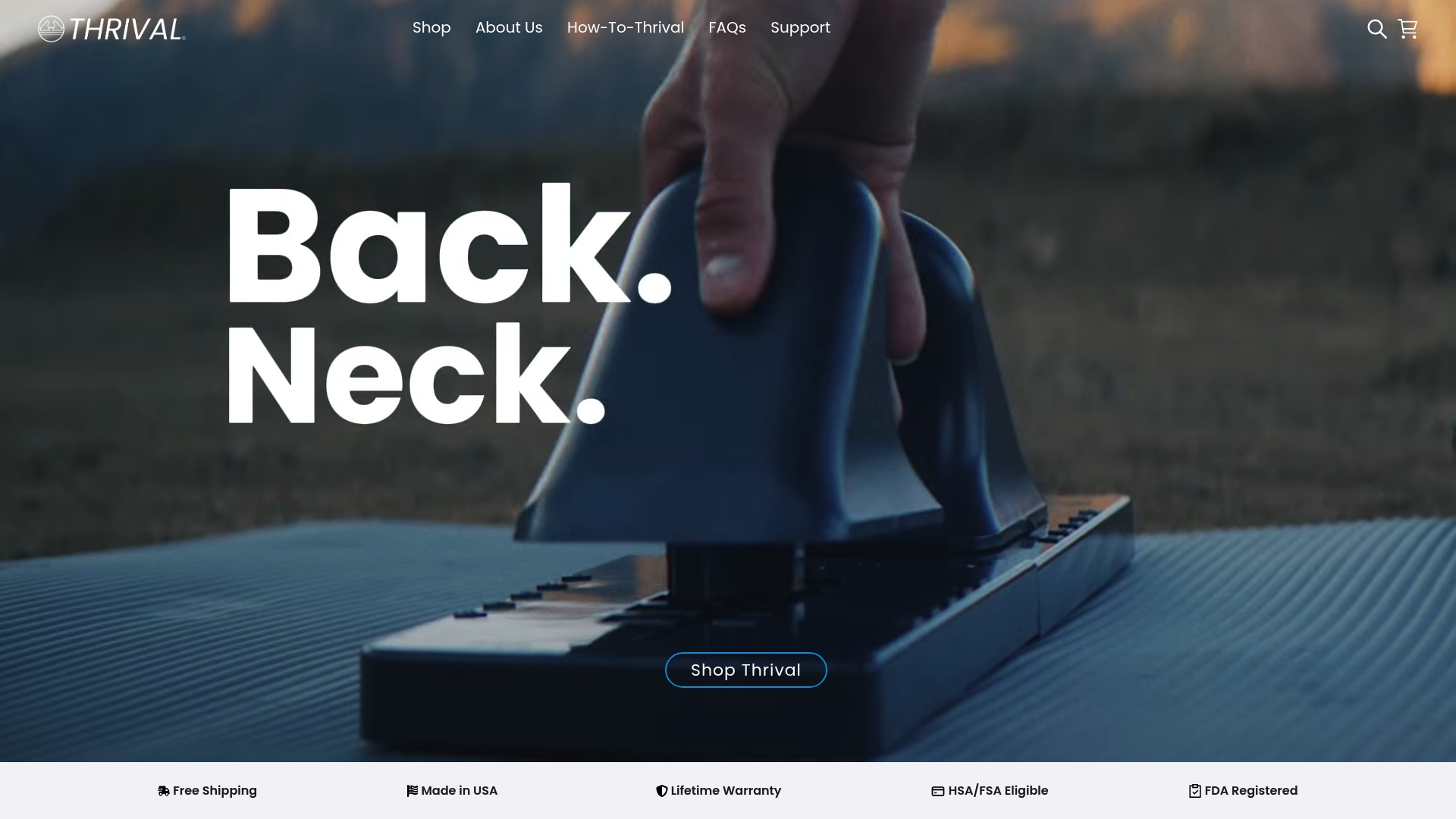
For pinpoint pressure on tight spots, the Thrival Bullseye Attachments replicate the targeted effect of professional trigger point work. Every tool ships free, carries a lifetime warranty, and is FDA registered. Pair it with Thrival’s guided app routines, and you have a self-massage practice built around real recovery outcomes.
FAQ
What is the role of massage in physical wellness?
Massage therapy has moderate-certainty evidence for relieving chronic low back pain, fibromyalgia, and myofascial pain by reducing muscle stiffness, improving circulation, and decreasing inflammation in soft tissue.
How does massage support mental health?
Regular massage activates the parasympathetic nervous system, reduces cortisol, and promotes endorphin release, producing measurable reductions in stress and depressive symptoms, particularly with consistent use over weeks or months.
How often should you get a massage for wellness benefits?
Most research showing clear benefits uses sessions of 30 to 60 minutes, scheduled weekly or biweekly for at least four to six weeks. The right frequency depends on your specific goals and how your body responds.
Is self-massage as effective as professional massage?
Self-massage is a useful adjunct to professional care. A 2026 pilot study found eight weeks of self-massage improved immune status and general health in young adults, though it works best as part of a broader wellness routine rather than a complete substitute.
Which massage technique is best for stress relief?
Swedish massage is most commonly associated with stress relief through massage due to its whole-body circulatory benefits and nervous system calming effects. Deep tissue and acupressure also reduce stress but with more targeted applications.
Recommended