Sunday, May 17, 2026
You train hard, stretch regularly, and still wake up with that same tight spot in your hip or that nagging pull in your shoulder. The problem usually isn’t effort. It’s the absence of a structured soft tissue therapy workflow. Without a clear process, recovery becomes guesswork, and guesswork leads to plateaus, flares, and injuries that outlast their welcome. This guide breaks down exactly how to prepare, execute, and verify therapy sessions, whether you’re using instrument-assisted tools, manual massage techniques, or a combination of both, so you get real results instead of temporary relief.
Table of Contents
Key Takeaways
| Point | Details |
|---|
| Structured workflow matters | A well-planned therapy workflow improves recovery more than relying on single techniques alone. |
| Tailor dose to healing phase | Adjust session length and frequency depending on whether the condition is acute or chronic for best results. |
| Combine techniques wisely | Integrating instrument-assisted methods with conventional rehab exercises yields better pain relief and mobility. |
| Continuous reassessment | Regularly measuring progress and adjusting the plan prevents over-treatment and promotes safe healing. |
| Client communication is key | Engaging clients in goal setting and feedback enhances therapy effectiveness and satisfaction. |
Preparing for your soft tissue therapy session
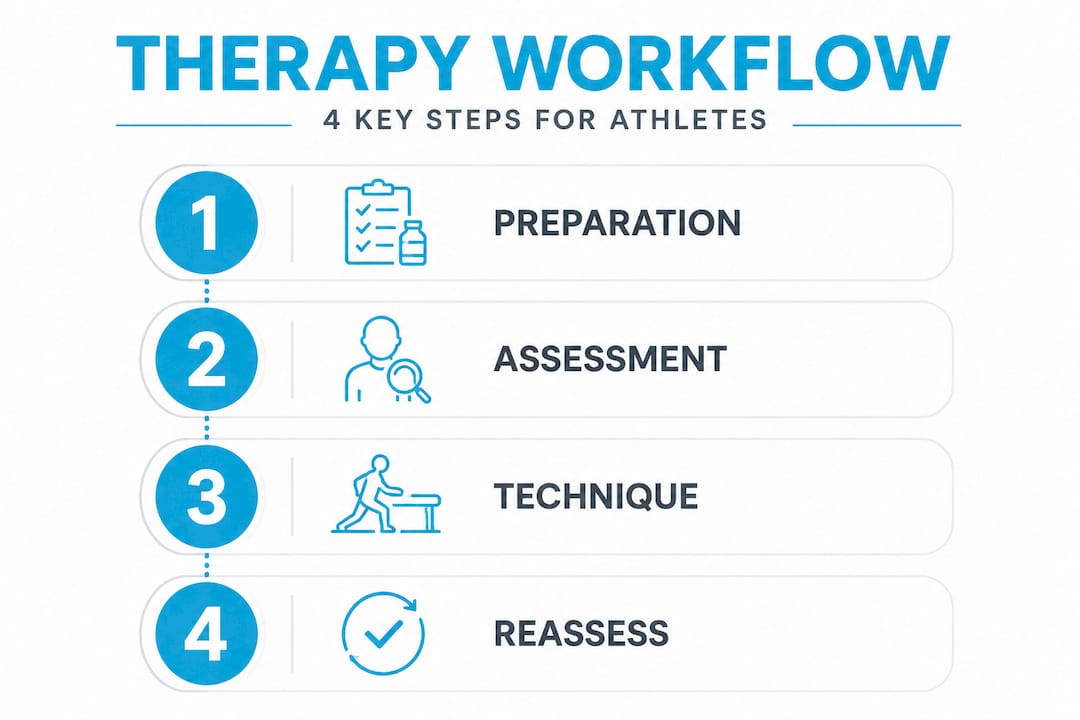
A solid soft tissue therapy workflow starts well before any hands or tools make contact with tissue. The preparation phase is where most people skip steps, and those skipped steps are exactly why results stay inconsistent.
The first priority is a thorough intake. That means recording your health history, identifying specific pain points, and clarifying your mobility goals. Are you trying to restore full shoulder rotation before your next competition? Reduce low back stiffness that builds up after long training blocks? Knowing the target shapes every decision that follows. A massage therapy checklist confirms that a soft tissue therapy workflow should include intake and health history assessment, pressure and technique preferences, and planned follow-up care rather than one-off treatments.
Key preparation steps:
- Review health history, including past injuries, surgeries, medications, and inflammatory conditions
- Conduct objective assessments: range of motion (ROM) tests, palpation to locate tissue restrictions, and strength comparisons between sides
- Screen for red flags such as unexplained swelling, numbness, vascular issues, or bone tenderness that require medical referral before therapy
- Clarify pressure preferences and technique comfort to build trust and improve session effectiveness
- Schedule follow-up appointments at the start rather than waiting to see how one session goes
The ROM assessment deserves particular attention. Measuring shoulder flexion, hip internal rotation, or lumbar extension before and after treatment gives you a concrete baseline. Progress becomes visible and measurable, not just a feeling.
Pro Tip: Take a photo or short video of your posture and movement patterns before the first session. Comparing these to footage from weeks later reveals postural changes that subjective pain ratings often miss.
Understanding therapeutic massage benefits and techniques also helps you arrive at sessions with realistic expectations and better self-advocacy.
Executing instrument-assisted soft tissue mobilization (IASTM) safely and effectively
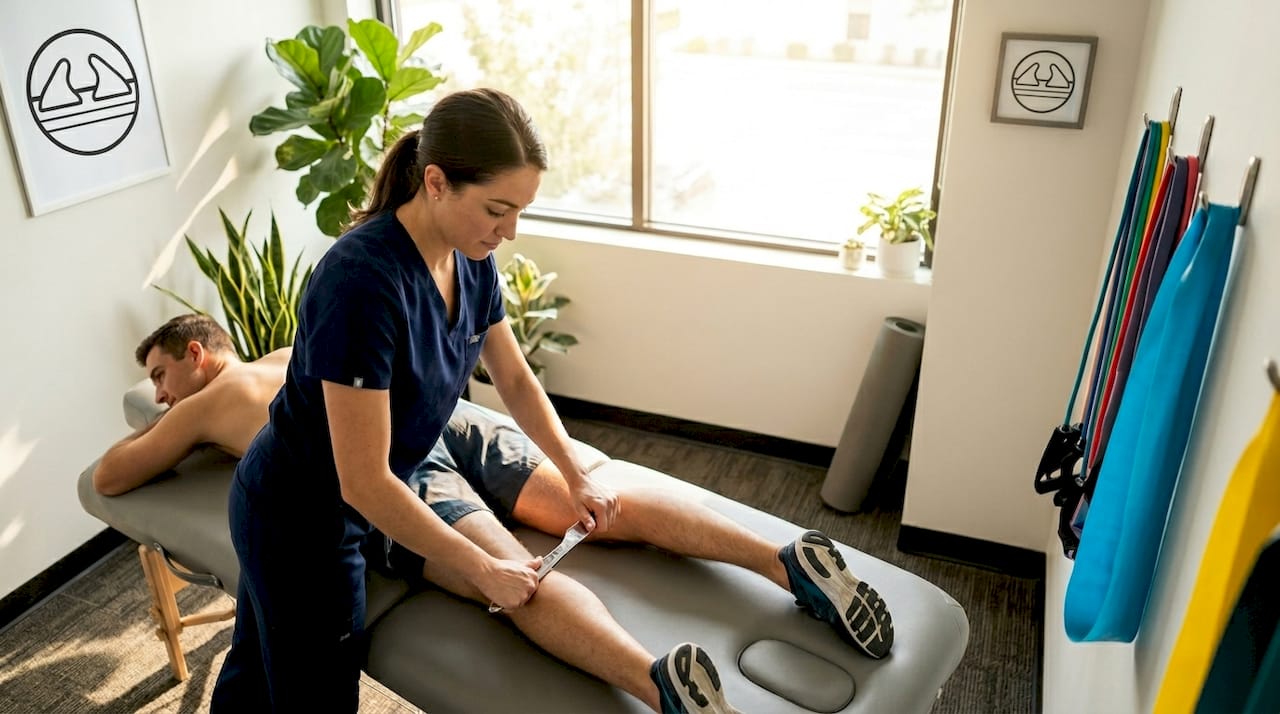
With preparation done, IASTM is one of the most effective tools for breaking down soft tissue restrictions, improving ROM, and reducing localized pain. But technique sequencing and dosage control are what separate good outcomes from bruised, over-treated tissue.
Step-by-step IASTM session workflow:
- Warm up the tissue. Start with 5 to 10 minutes of active ROM movements, light aerobic activity, or gentle manual soft tissue prep like effleurage. Cold, unprepared tissue is harder to treat and more prone to adverse responses.
- Apply sweeping and fanning techniques first. These broad strokes cover a larger surface area and help identify areas of increased tissue density, adhesions, or tenderness that signal where focused work is needed.
- Transition to brushing and framing for targeted treatment. These techniques apply more localized pressure to the symptomatic areas you identified in step two.
- Maintain a bevel angle between 30° and 60°. Angle matters. Too flat or too perpendicular reduces tool effectiveness and increases discomfort. A clinical IASTM protocol confirmed this angle range across 15-minute sessions repeated four times over two weeks.
- Limit treatment time per area. Apply IASTM for 60 to 90 seconds per symptomatic zone. More is not better. The total session stays around 15 minutes.
- Combine with rehab exercises. IASTM paired with conventional therapy shows more stable pain relief and greater ROM improvements than IASTM alone. Add targeted stretches or activation exercises immediately after tool application.
- Reassess immediately after treatment. Repeat your pre-session ROM test or functional movement. This instant feedback confirms whether dosage was appropriate and guides adjustments for the next session.
Clinical pitfalls in IASTM are almost always linked to modifiable variables like pressure, dosage, and tissue preparation, not the technique itself. Reassessment right after application is one of the most reliable ways to catch dosage errors before they compound.
Acute vs chronic IASTM workflow comparison:
| Variable | Acute presentation | Chronic presentation |
|---|
| Session length | 10 minutes | 15 minutes |
| Frequency | 2 to 3 times per week | 2 times per week |
| Pressure intensity | Light to moderate | Moderate to firm |
| Technique focus | Sweeping and fanning only | Full sequence including framing |
| Exercise integration | Gentle ROM movements | Progressive loading |
| Expected soreness | Minimal | Moderate, resolves in 24 hours |
Pro Tip: If a client or athlete reports more than mild soreness 24 hours after treatment, reduce pressure and session duration by 25% in the next session before resuming normal dosage. Soreness that lingers past 48 hours means you went too hard, not that the technique is working.
For a deeper look at what makes these approaches effective, the benefits of soft tissue release techniques and targeted muscle therapy methods are worth reviewing.
Manual soft tissue therapy: collaborative assessment, technique, and follow-up
Manual soft tissue therapy works best when it follows a clear structure rather than defaulting to the same strokes every session. Clinical precision here means adapting to what the tissue tells you and what the person tells you.
The manual therapy workflow mirrors the IASTM framework in its intake and follow-up requirements but adds a stronger emphasis on real-time collaboration during the session itself.
Step-by-step manual session structure:
- Complete intake and health history review. Identify current pain levels (use a 0 to 10 scale), functional limitations, and relevant history.
- Conduct palpation and movement assessment. Feel for tissue density, temperature differences, and guarding. Compare both sides.
- Form a clinical hypothesis. Is the issue a shortened muscle belly, a fascial restriction, or a trigger point pattern? Your hypothesis determines technique selection.
- Select techniques collaboratively. Discuss your plan with the person receiving treatment. Ask about pressure preferences and past responses to therapy.
- Execute with real-time feedback. Adjust depth, speed, and direction based on verbal and physical responses throughout the session. Defensive muscle contraction is a sign to back off, not push through.
- Close the session with self-management guidance. Assign one or two specific home care actions, such as a hip flexor stretch or contrast therapy protocol, not a generic list of ten things no one will do.
- Schedule the follow-up before the person leaves. This is how you build a feedback loop rather than treating in isolation.
Treatment planning in clinical massage specifies that dose planning must account for frequency, duration, technique intensity, and client empowerment, with acute cases requiring shorter and more frequent sessions while chronic cases benefit from longer, more spaced-out treatments.
Session structure guidelines by phase:
- Acute phase (0 to 14 days post-injury): 30-minute sessions, 2 to 3 times per week, light to moderate pressure, focus on lymphatic drainage and gentle myofascial release
- Sub-acute phase (2 to 6 weeks): 45-minute sessions, twice per week, introduce deeper cross-fiber friction and PNF stretching
- Chronic or maintenance phase: 60-minute sessions, once per week or biweekly, full-depth soft tissue work and progressive mobilization
Pro Tip: Before ending any session, reassess the original movement restriction. Even a small improvement, like five more degrees of shoulder rotation, reinforces to the person that the work is having an effect and increases their motivation to follow through on home care.
For additional technique guidance, explore deep tissue massage techniques for evidence-backed approaches to muscle recovery.
Measuring progress and troubleshooting common workflow challenges
After executing therapy, verifying what actually changed is where most self-managed recovery programs fall short. Feeling better after a session is not the same as making measurable progress.
Subjective progress measures:
- Pain scale ratings before and after each session
- Functional goal tracking (e.g., can you squat to depth without hip pinching?)
- Sleep quality and morning stiffness levels
- Energy and performance during training
Objective progress measures:
- ROM angles at consistent measurement points
- Palpation findings compared across sessions
- Strength symmetry assessments
| Progress indicator | Meaning | Clinical response |
|---|
| Pain down, ROM improved | Positive response | Continue current plan, progress dosage |
| Pain down, ROM unchanged | Mixed response | Add mobility or activation exercises |
| ROM improved, pain unchanged | Mixed response | Reassess technique selection |
| No change after 2 to 3 sessions | No response | Revise hypothesis, adjust technique |
| Increased pain or new symptoms | Negative response | Pause treatment, reassess diagnosis |
Results-oriented treatment planning confirms that measuring progress requires both client feedback on pain and function and objective reassessments, with plan adjustments driven by a consistent feedback loop.
Common pitfalls and how to fix them:
- Over-aggressive dosing: The most frequent mistake in both IASTM and manual therapy. Reduce pressure and duration before adding intensity.
- Ignoring tissue readiness: Treating cold or inflamed tissue leads to defensive reactions. Always warm up and screen for active inflammation first.
- Poor communication: Assuming the person is comfortable because they aren’t speaking up costs you valuable real-time data. Ask directly and often.
- Skipping reassessment: Without post-session measurement, you’re guessing whether the treatment worked.
Excessive soreness or bruising from IASTM almost always traces back to modifiable variables like pressure, dosage, and tissue preparation. It’s a feedback signal, not a failure of the technique.
Pro Tip: If no meaningful progress appears after three to four sessions with consistent technique and dosage adjustments, treat that as a clinical indicator to request a referral or co-management with another health professional rather than repeating the same approach.
Explore trigger point therapy safety for additional troubleshooting guidance on common soft tissue treatment challenges.
Why mastering the workflow is more important than relying on any single technique
Here is what years of working with athletes and active individuals consistently reveal: the person who gets the best results is rarely the one with the most advanced tools. It’s the person who treats therapy as a feedback system, not a routine.
The problem with technique-first thinking is that it leads people to apply the same approach regardless of what the tissue is telling them. IASTM gets credited for results that actually came from proper tissue preparation. Manual massage gets blamed for flares that actually came from over-treatment. The technique becomes a scapegoat when the real variable is the quality of clinical reasoning behind it.
Treatment planning in clinical massage frames effective therapy as a hypothesis-driven process where dose is matched to healing timelines, creating a responsive and client-centered approach that goes well beyond technique repetition. That framing matters. It means every session should be an informed decision, not a repeat of the last one.
A well-designed soft tissue therapy workflow is essentially a self-correcting system. You assess, apply, measure, and adjust. Over time, that loop produces compounding improvements that no single technique, however good, can generate alone. Integrating manual therapy, instrument-assisted work, and active rehab into that loop creates outcomes that are more durable and more transferable to real performance demands.
The uncomfortable truth is that most people plateau not because they need a better technique, but because they never built a real process around the techniques they already have. For professional massage workflow insights, the underlying principle is always the same: structure produces results that effort alone cannot.
Understanding your workflow is powerful. Having the right tools to execute it independently between sessions makes that power portable.
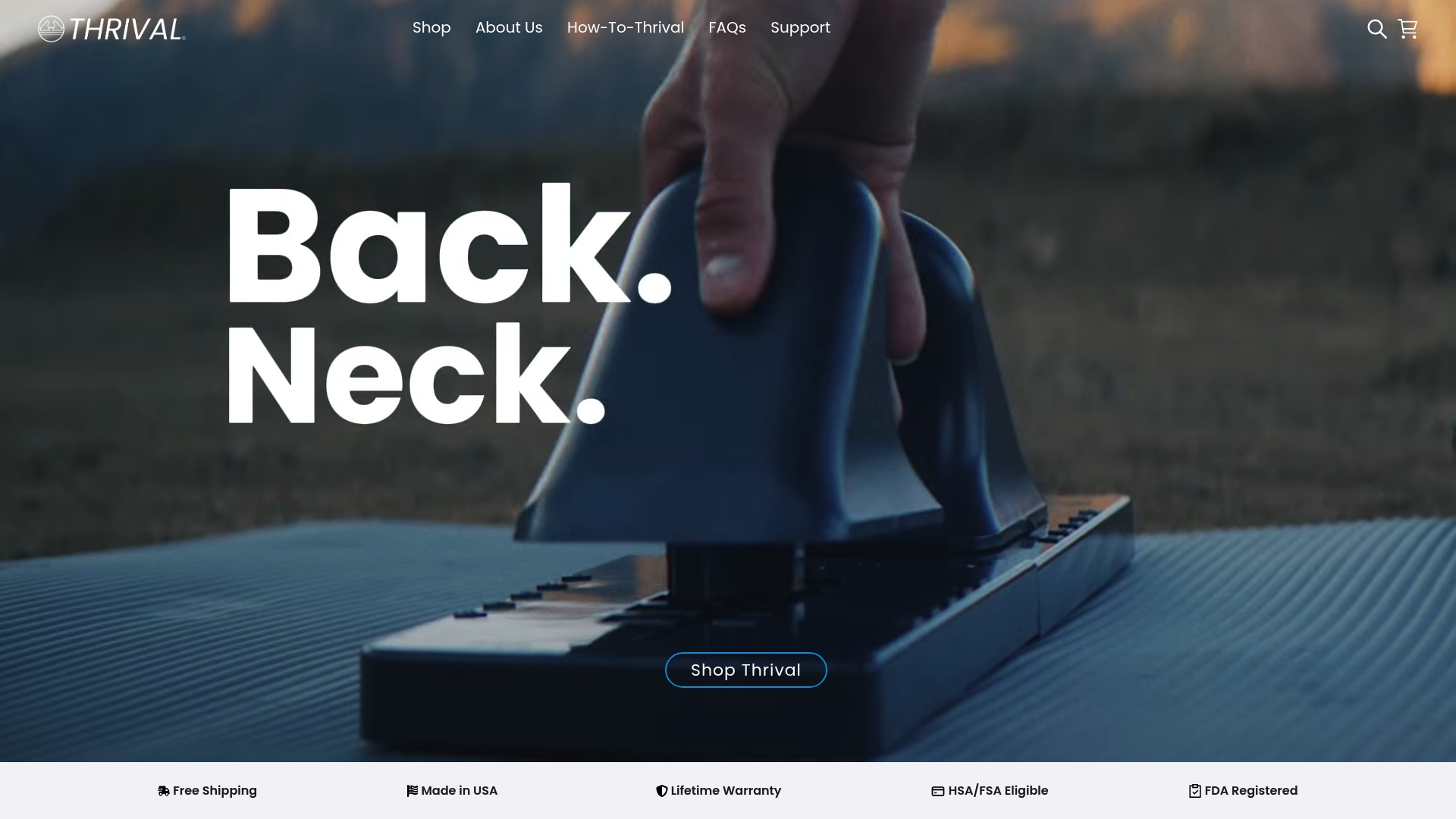
Thrival’s deep tissue system is built for exactly this kind of structured, targeted recovery. The non-motorized base board accepts four different attachments, including the Wave, Bullseye, Arch, and Ballhead, so you can match the tool to the muscle group and tissue type you’re working on, whether that’s the thoracic spine, hip flexors, shoulders, or neck. It’s the same principle as a professional session: targeted contact, controlled pressure, repeatable results. The Thrival Deep Tissue Pro is US-manufactured, FDA-registered, and backed by a lifetime warranty. Explore the full range of muscle recovery tools at Thrival and put your workflow into practice every day, not just on appointment days.
Frequently asked questions
What is the recommended frequency for soft tissue therapy sessions during acute injuries?
For acute injuries within the first 72 hours, shorter sessions of 30 minutes, two to three times per week, are recommended to manage inflammation and support tissue healing without overloading the area.
How does instrument-assisted soft tissue mobilization improve mobility and pain?
IASTM reduces pain and increases ROM by targeting soft tissue restrictions and improving neuromuscular function, with the best results achieved when combined with conventional rehabilitation exercises.
What are common mistakes to avoid during IASTM sessions?
The most common mistakes include applying excessive pressure, skipping tissue preparation, and not reassessing after treatment. Soreness and bruising from IASTM almost always trace back to these modifiable variables, not the technique itself.
How important is client communication during manual soft tissue therapy?
Real-time communication is essential. Adjusting pressure and technique based on feedback during the session directly improves both safety and effectiveness, and helps ensure the therapy matches individual comfort levels and recovery goals.
When should a client consider a referral instead of continuing soft tissue therapy?
If there is no meaningful improvement after three to four sessions, or if symptoms worsen, it’s time to reassess the diagnosis and consider a referral to another health professional for further evaluation rather than continuing the same approach.
Recommended