Friday, July 24, 2026
Core massage device safety tips you need to follow
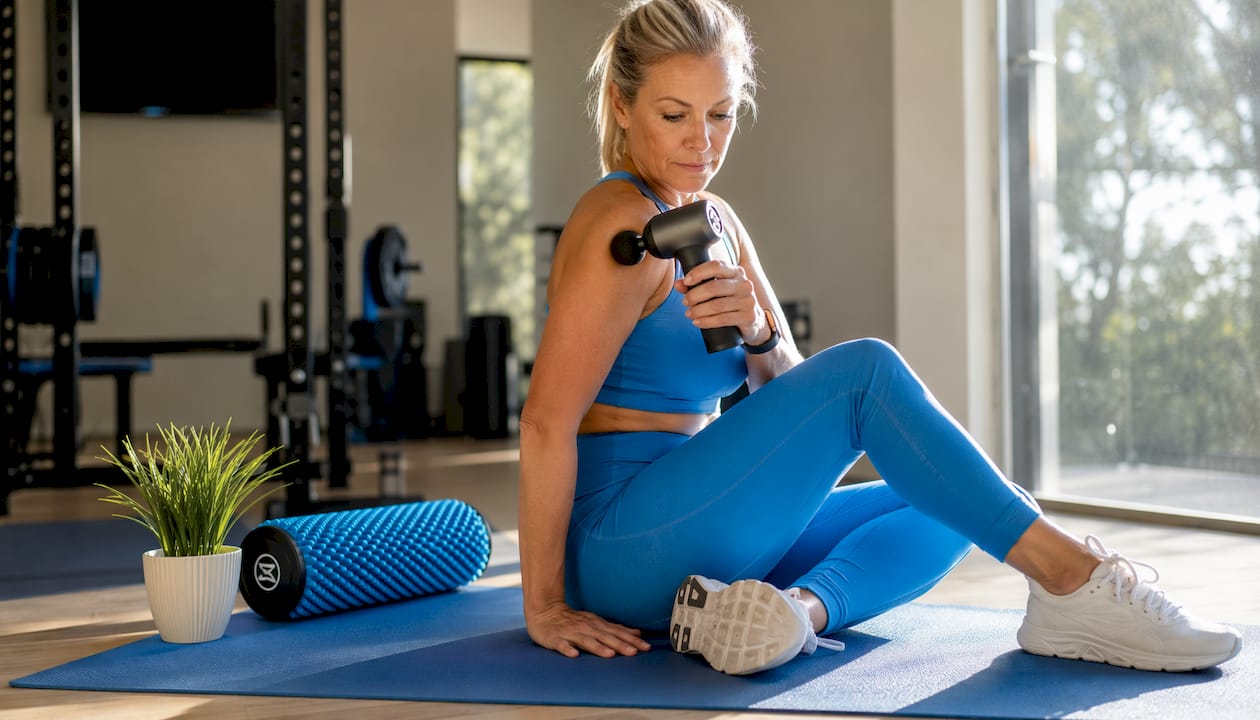
Used correctly, a handheld massage device relieves tight muscles, improves blood flow, and speeds recovery. Used carelessly, it can cause bruising, nerve irritation, or worse. These foundational guidelines keep you on the right side of that line.
- Limit time per muscle group to two to three minutes to prevent tissue overstimulation and bruising. Spending longer than that on one area overstimulates tissue and raises the risk of bruising.
- Let the device do the work. Avoid pressing down with your hand. The percussive force is already calibrated; adding manual pressure triggers muscle tightening and irritation.
- Start at the lowest intensity setting. Increase speed gradually as your muscles loosen, not before.
- Hold the device perpendicular to the muscle surface. An angled approach reduces effectiveness and concentrates force unevenly.
- Know where not to go. Skip the front of the neck, the spine, joints, bony prominences like the ribs and ankle bones, the chest, and the groin.
- Never use over broken skin. Bruises, cuts, abrasions, and scabs are all off-limits.
- Clean your device after each session. Proper maintenance prevents bacterial buildup and extends the device’s safe lifespan.
- Stop immediately if the device overheats or makes abnormal noise. Device malfunction is a real safety hazard, not a minor inconvenience.
- Consult a healthcare provider before starting if you have any preexisting conditions or take prescription medications.
How to use a massage gun or handheld device properly
Technique matters more than most people realize. A few minutes of sloppy use can undo the benefit you were aiming for.
- Identify the target muscle first. Pinpoint the tight or sore area before you turn the device on. Guessing mid-session leads to wandering over joints and bones.
- Begin with a slow sweep, not a stationary hold. Move the device across the muscle belly at a steady pace. Three to five passes over the same area is a good working rhythm, as rehabilitation expert Ioonna Félix, PT, DPT, OCS, recommends at the HSS Westside Sports Institute.
- Keep sessions short and intentional. Two to three minutes per area is the recommended limit. Finish one muscle group before moving to the next.
- Ask for help with hard-to-reach spots. The mid-back is nearly impossible to treat safely solo. A second person keeps the angle correct and prevents awkward compensations.
- Let pain guide your pressure. Redness or discomfort means you are pressing too hard or staying too long. Back off before the tissue reacts defensively.
- Follow the manufacturer’s battery and charging guidelines. Overcharging or using a non-approved charger degrades battery performance and can create heat hazards.
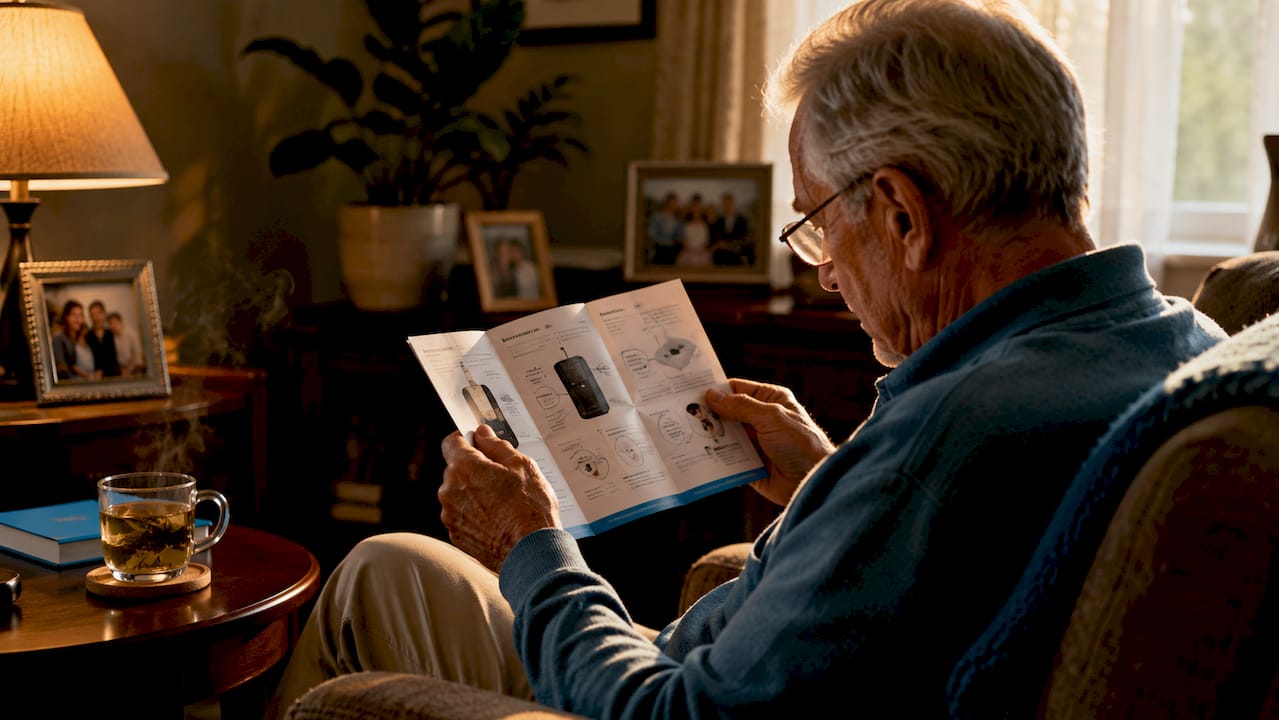
- Read the user manual before first use. Speed settings, attachment types, and session limits vary by device. What works for one model may not apply to another.
Understanding the advantages of massage devices for muscle recovery helps you set realistic expectations and use them more purposefully.
What injuries can improper use actually cause?
The risks are not theoretical. Documented cases show that misuse of percussive massage devices causes real harm, and knowing what can go wrong is the clearest motivation to follow safe use guidelines.
- Bruising and hematomas. Excessive pressure or prolonged sessions break small blood vessels under the skin, leaving painful bruising that can take days to resolve.
- Rhabdomyolysis. This is a severe condition where muscle fibers break down and release proteins into the bloodstream. Documented injuries from percussive device misuse include rhabdomyolysis alongside hematomas and vertebral artery dissection.
- Nerve and bursa sac damage. Running a device over bony prominences like the ribs or ankle bones irritates the tendons and bursa sacs beneath, causing inflammation that can linger for weeks.
- Worsened acute injuries. Using a massage gun on a fresh strain or sprain increases swelling and delays tissue repair. Even light percussive force on an acutely injured area can deepen the damage.
- Skin burns and irritation. Applying a device to sensitive, broken, or inflamed skin causes friction burns and can introduce bacteria into open wounds.
- Vertebral artery dissection. Using a device on the front or sides of the neck puts direct pressure on major arteries. This is one of the most serious documented risks in the clinical literature.
- Device-related burns from overheating. A malfunctioning motor or a battery fault can generate enough heat to burn skin, especially during prolonged contact.
Pro Tip: If you notice unusual warmth from the device head during a session, stop and let it cool before continuing. Heat from the motor, not the muscle, is a warning sign.
Who should avoid massage devices or consult a doctor first?
Certain health conditions make percussive massage genuinely risky. If any of the following apply to you, get clearance from a healthcare provider before picking up a massage gun.
- Pregnant individuals. Vibration and pressure over the abdomen, lower back, and certain acupressure points carry risks that have not been fully studied. Medical guidance is non-negotiable here.
- People with low bone density or osteoporosis. Percussive force on fragile bones can cause microfractures. This applies especially to the spine, hips, and ribs.
- Anyone on blood-thinning medications. Warfarin, heparin, and similar drugs reduce the blood’s ability to clot. Even moderate pressure can cause significant bruising or internal bleeding.
- People with diabetes or peripheral neuropathy. Reduced sensation means you may not feel damage as it happens, making it easy to overwork tissue without realizing it.
- Individuals with fibromyalgia. The condition amplifies pain signals, so percussive therapy can trigger flare-ups rather than relief.
- Anyone with an implanted medical device or pacemaker. Vibration near an implanted device can interfere with its function. Always check with your cardiologist or specialist first.
- People with acute injuries, open wounds, or active inflammation. These are absolute contraindications. Acute injuries should never be treated with percussive devices; the pressure worsens tissue damage and delays recovery.
For older adults specifically, physical therapy guidance for seniors offers useful context on safe muscle therapy approaches that complement or precede device use.
How experts say you should integrate massage devices into recovery
Massage guns are effective for muscle relaxation and recovery support, but the Cleveland Clinic notes they are not proven to improve athletic performance. That distinction shapes how you should use them.
Félix also points out that no device replaces a licensed massage therapist. A trained practitioner reaches deeper tissue more safely than any handheld tool, and they can identify contraindications you might miss on your own. Think of your massage gun as a supplement to professional care, not a substitute for it.
The practical integration looks like this: use the device after a workout or during a rest day to address soreness and tightness, not before training as a warmup replacement. Pair it with static stretching and foam rolling for the best results. If you are recovering from an injury, physical therapy after injury should guide the overall protocol, with massage device use fitting around that plan rather than leading it.
Pro Tip: Start every session with the lowest speed setting for the first 30 seconds on a new muscle group. This lets the tissue acclimate before you increase intensity, reducing the chance of a defensive muscle contraction.
A consumer knowledge gap around massage gun safety is well-documented in the clinical literature, and most injuries happen not from defective devices but from users who simply were not taught the boundaries. Learning how massage tools fit into recovery before you start is the single most effective precaution you can take.
Key Takeaways
Safe, effective massage device use requires strict time limits, correct technique, and awareness of who should avoid percussive therapy altogether.
| Point | Details |
|---|
| Time limit per area | Spend only two to three minutes on any single muscle group to prevent tissue overstimulation and bruising. |
| No added pressure | Let the device’s own percussive force work; pressing down manually causes muscle tightening and irritation. |
| Areas to avoid | Never use on the front of the neck, spine, joints, bony prominences, groin, or broken skin. |
| High-risk conditions | Pregnancy, osteoporosis, blood-thinning medications, diabetes, and acute injuries all require medical clearance first. |
| Devices complement, not replace, care | Pair massage gun use with stretching, foam rolling, and professional therapy for the best recovery outcomes. |
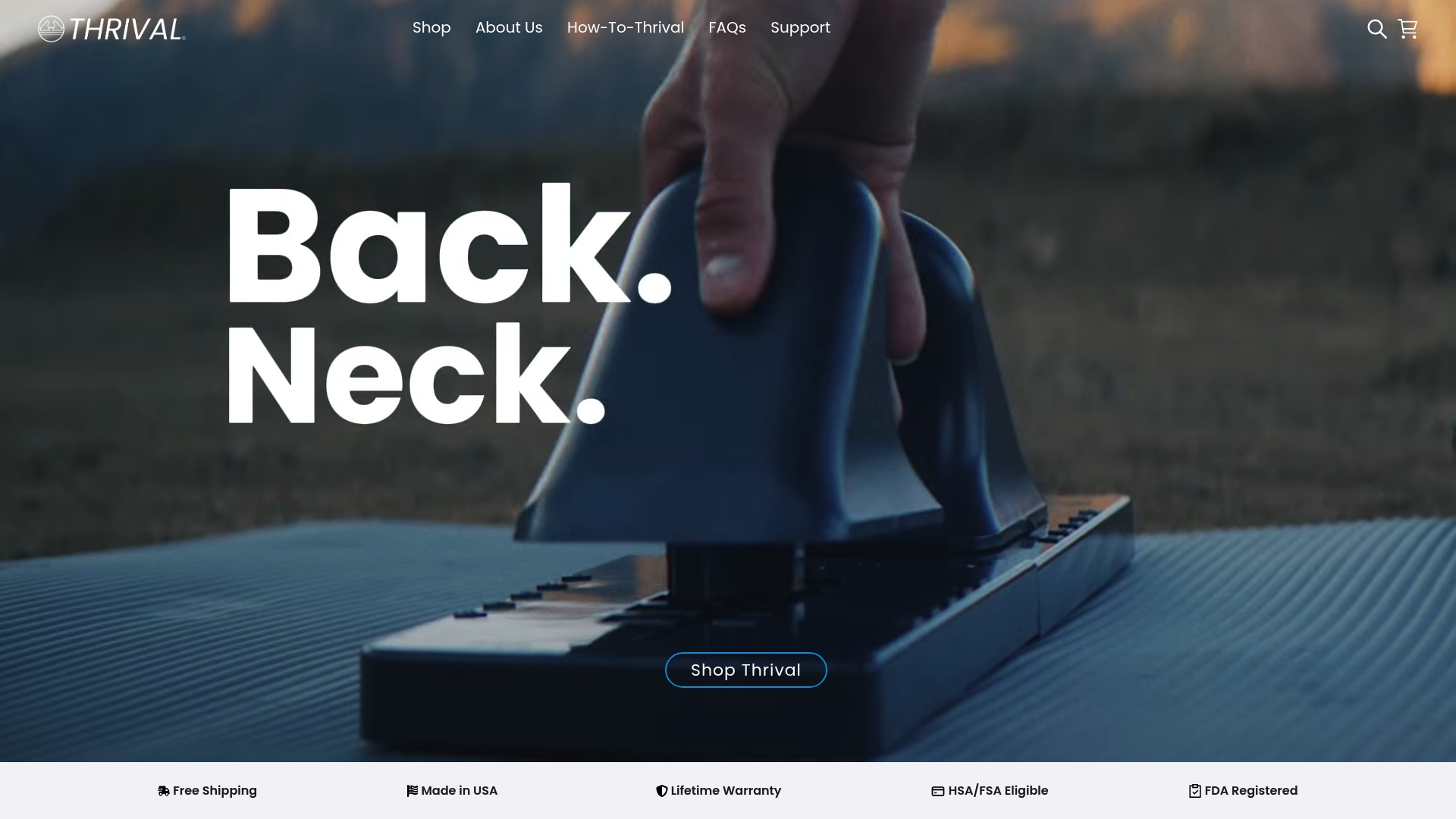
Thrival designs non-motorized deep tissue massage tools built around one principle: targeted relief without the guesswork. The Thrival system uses a single base board with interchangeable attachments, including the Wave, Bullseye, Arch, and Ballhead, each designed for specific muscle groups from the back and hips to the shoulders and neck. Because the system is not motorized, you control the pressure entirely, which eliminates the overstimulation risk that comes with high-speed percussive devices.
Every Thrival tool is FDA-registered, US-manufactured, and backed by a lifetime warranty. The Thrival app pairs with the system to guide you through safe, structured routines so you are never guessing about technique or duration.
Ready to recover smarter? Explore Thrival’s muscle recovery tools and find the right attachment for your tightest spots.
Recommended