Tuesday, July 7, 2026
Home pain relief steps are evidence-based self-care methods you apply at home to reduce muscle tension, joint discomfort, and general physical pain without a prescription. Clinical guidelines, including those from UK NICE, recognize non-pharmacological treatments as the first line of care for many pain conditions. That means heat therapy, cold therapy, targeted self-massage, gradual exercise, and natural remedies are not just folk wisdom. They are supported by physiotherapy principles and pain management research. This guide walks you through every stage, from immediate acute care to long-term lifestyle habits, so you can manage pain confidently and safely.
The right tools make home pain relief faster and safer. You do not need a clinic’s worth of equipment. A focused set of items covers most situations.
| Tool | Primary use | Safety tip |
|---|
| Ice pack or frozen peas | Reduce swelling and numb acute pain | Wrap in a cloth; never apply directly to skin |
| Heating pad or hot water bottle | Relax tight muscles and improve blood flow | Limit sessions to 15–20 minutes; check skin regularly |
| Epsom salts | Soak sore muscles in a warm bath | Use 2 cups per bath; avoid if you have open wounds |
| Foam roller | Release muscle knots along the back and legs | Roll slowly; stop if you feel sharp pain |
| Tennis ball | Target smaller muscle groups like the feet and glutes | Apply moderate pressure only |
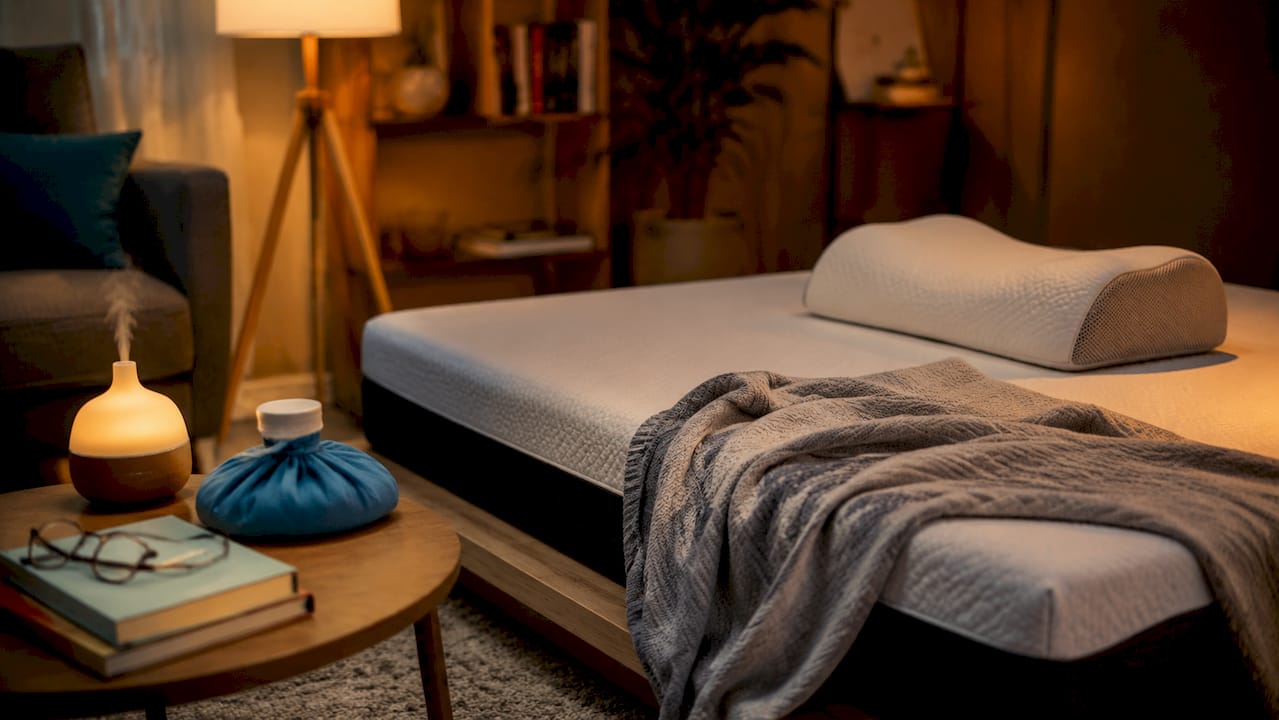
Your environment matters as much as your tools. A supportive mattress and correct pillow positioning reduce overnight muscle strain, which is a common cause of morning neck and back pain. A quiet, dark room supports the deep sleep your body needs to repair tissue.
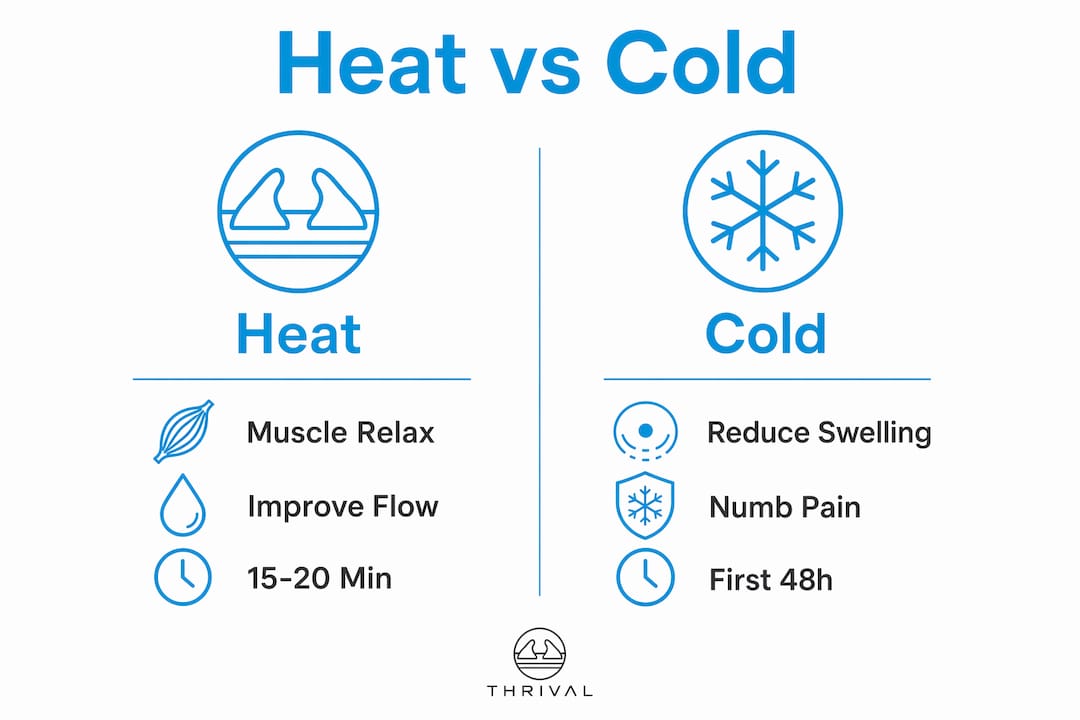
Pro Tip: When choosing between heat and cold, match the therapy to the phase. Cold works best in the first 48 hours after an injury to limit swelling. Heat works better for chronic stiffness and muscle tightness that has been present for more than two days.
Acute pain responds best to a structured first response. The RICE method is the standard starting point for strains, sprains, and bruises.
Applying the RICE method
- Rest the injured area. Stop the activity that caused the pain and avoid loading the joint or muscle.
- Ice the area. Apply an ice pack wrapped in a thin towel for 15–20 minutes at a time, with breaks in between.
- Compress the area with a bandage to limit swelling. Wrap firmly but not so tight that circulation is cut off.
- Elevate the injured limb above heart level when possible to reduce fluid buildup.
Choosing heat versus cold
Heat relaxes muscles and improves blood flow, while cold reduces swelling and numbs pain. Apply heat for 15–20 minutes, then cold for one minute in cycles for joint pain and arthritis. Never apply either directly to bare skin.
Self-massage at home
Self-massage using tennis balls or foam rollers provides targeted muscle relief and helps release tension knots. Roll slowly over tight spots and pause on areas of tension for 20–30 seconds. Avoid rolling directly over joints or the spine. For trigger point work, check out Thrival’s guide on trigger point therapy for step-by-step technique.
Pro Tip: Add 3–5 drops of peppermint or lavender essential oil to a carrier oil like coconut oil before massaging sore muscles. Both oils have mild analgesic and anti-inflammatory properties that complement manual pressure.
Acute pain that does not improve within 72 hours, or pain accompanied by numbness, tingling, significant swelling, or loss of function, requires professional medical assessment. Home methods are appropriate for mild to moderate pain, not for suspected fractures, nerve compression, or systemic illness.
What lifestyle changes support long-term pain relief at home?
Sustainable pain relief depends on daily habits, not single interventions. Passive treatments alone produce poorer outcomes. Active lifestyle changes and exercise outperform rest or massage as standalone approaches for chronic back pain.
The habits that make the biggest difference include:
- Regular physical activity. Exercise is the only treatment for chronic primary pain with strong evidence of long-term benefit, according to UK NICE guidelines. No specific type is superior, which means you can choose walking, swimming, cycling, or yoga based on what you enjoy.
- Sleep hygiene. Seven to nine hours of quality sleep per night allows muscle repair and reduces pain sensitivity. Keep a consistent sleep schedule and avoid screens for one hour before bed.
- Stress management. Chronic stress increases muscle tension and lowers pain tolerance. Deep breathing, progressive muscle relaxation, and short daily meditation sessions all reduce the physiological stress response.
- Diet adjustments. An anti-inflammatory diet rich in leafy greens, fatty fish, berries, and olive oil reduces systemic inflammation that worsens joint and muscle pain.
- Gradual activity increase. Increase exercise duration or intensity by no more than 10% per week. Jumping too fast causes flare-ups and discourages consistency.
The most common mistake people make is over-resting. Rest is appropriate for the first 24–48 hours after acute injury. After that, gentle movement speeds recovery and prevents the muscle weakness that makes pain worse over time. For a structured approach, Thrival’s 2026 pain relief action plan outlines a week-by-week framework for building activity safely.
How can you use natural remedies in your home pain routine?
Natural remedies and nutritional supplements work best as additions to physical activity and self-care, not replacements. Several have solid evidence behind them.
- Turmeric (curcumin). Curcumin has anti-inflammatory effects comparable to NSAIDs but with fewer side effects. A typical dose is 1 teaspoon of turmeric powder with black pepper daily, or a 500–1,000 mg standardized supplement. Black pepper increases absorption significantly.
- Magnesium. Magnesium relaxes muscles and nerves and helps reduce cramps, tension headaches, and fibromyalgia pain. Deficiency is common. A dose of 300–400 mg of magnesium glycinate taken in the evening supports muscle recovery overnight.
- Epsom salt baths. Soaking in warm water with 2 cups of Epsom salts for 20 minutes, two to three times weekly, relaxes muscles through skin absorption of magnesium sulfate.
- Willow bark. Willow bark contains salicin, a compound similar to aspirin, and has been used for centuries to reduce pain and inflammation. It is available as a tea or standardized extract.
- Capsaicin. Topical capsaicin cream depletes substance P, the neurotransmitter that signals pain, from nerve endings. Apply to sore joints or muscles two to four times daily.
Pro Tip: Keep a simple pain diary for two weeks when you start a new natural remedy. Note your pain level on a 1–10 scale each morning and evening. This tells you within two weeks whether the remedy is making a measurable difference, so you can adjust or stop rather than guessing.
Always consult a doctor or pharmacist before starting supplements if you take prescription medications. Turmeric and willow bark both interact with blood thinners.
How do you troubleshoot common mistakes in home pain management?
Even well-intentioned pain relief efforts go wrong. Recognizing the most common errors helps you correct course before they set back your progress.
- Ignoring warning signs. Pain that spreads, worsens at night, or comes with fever, unexplained weight loss, or bladder changes requires immediate medical evaluation. These are red flags that home treatment cannot address.
- Applying heat or cold too long. More than 20 minutes of heat or cold in one session risks skin burns or frostbite. Set a timer every time.
- Overexerting during exercise. Pain during exercise that rates above a 4 out of 10 is a signal to reduce intensity. Pushing through sharp pain causes tissue damage and prolongs recovery.
- Inconsistent routine. Sporadic effort produces no lasting benefit. Three consistent sessions per week of gentle movement outperform one intense session followed by days of rest.
- Relying only on passive treatments. Massage, heat, and rest feel good but do not build the muscle strength and flexibility that prevent pain from returning. Pair every passive treatment with an active one.
- Skipping professional input entirely. A single physiotherapy assessment gives you a personalized baseline. You can then carry out the recommended exercises at home with confidence. Thrival’s guide on back pain exercises and self-care covers the most common physiotherapy-approved movements you can do independently.
Key Takeaways
Effective home pain relief requires combining immediate physical interventions, consistent active movement, and evidence-based natural remedies rather than relying on any single approach.
| Point | Details |
|---|
| Start with RICE for acute pain | Apply rest, ice, compression, and elevation within the first 48 hours of a strain or sprain. |
| Choose heat or cold by phase | Use cold for fresh injuries and swelling; use heat for chronic stiffness and muscle tightness. |
| Prioritize active over passive care | Exercise and movement produce better long-term outcomes than rest or massage alone. |
| Add natural remedies strategically | Turmeric, magnesium, and Epsom salt baths each have evidence behind them; track results with a pain diary. |
| Build consistency, not intensity | Three steady sessions per week of gentle activity beats irregular intense effort every time. |
What I’ve learned about home pain relief that most guides get wrong
People come to home pain relief looking for a fix. They want the one stretch, the one supplement, or the one tool that makes the pain stop. That mindset sets them up for frustration.
The real goal, as cognitive behavioral therapy for chronic pain makes clear, is reducing disability and distress gradually. CBT for chronic pain works like learning a new skill. You do not become fluent in a language after one lesson. You do not build pain resilience after one foam rolling session. The process requires consistent effort over weeks, not days.
What I have seen work, again and again, is pairing one physical tool with one enjoyable movement. Not a full protocol. Not a supplement stack. One tool, one activity, done regularly. When people enjoy the movement they choose, they stick with it. Adherence is the variable that separates people who get better from people who stay stuck.
The other thing most guides skip: professional input is not the opposite of self-care. A single physiotherapy visit gives you a map. Home practice is how you follow it. The two work together, not in competition.
Patience is not passive. Showing up consistently for your body, even on low-pain days, is the most active thing you can do.
— Cameron
Physical tools extend what your hands and a tennis ball can do on their own. Thrival builds deep tissue massage tools specifically for targeted muscle release and spinal decompression at home.
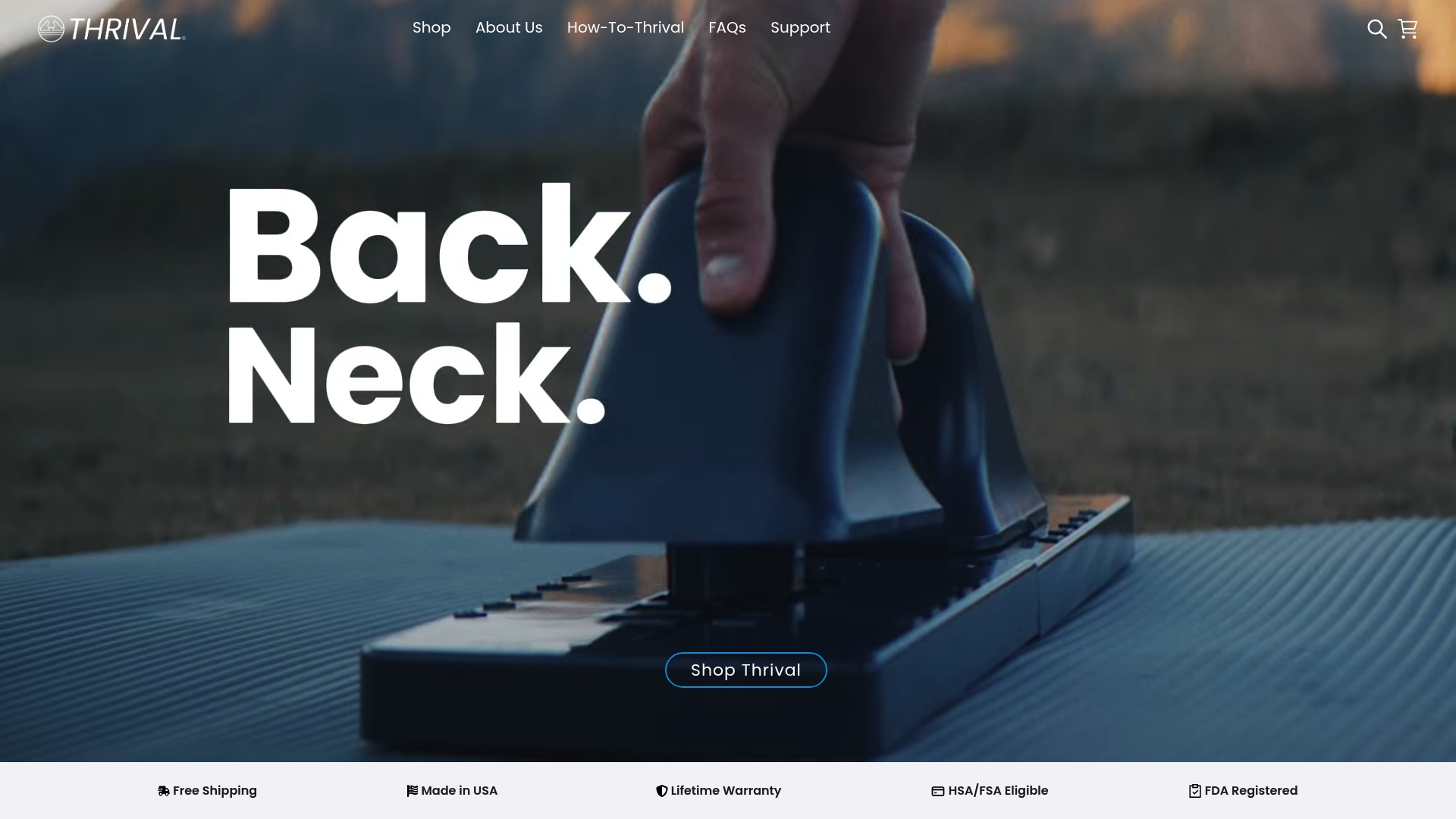
The Thrival Deep Tissue Pro is a non-motorized base board with interchangeable attachments, including the Wave, Bullseye, Arch, and Ballhead, each designed for a different muscle group. You position the board, select the attachment for your back, hips, neck, or shoulders, and let your body weight do the work. It replicates the pressure of professional deep tissue work without a clinic visit. Thrival products are FDA registered, US manufactured, and backed by a lifetime warranty. Free shipping is included on every order.
FAQ
What are the first home pain relief steps for a new injury?
Apply the RICE method immediately: rest the area, ice it for 15–20 minutes wrapped in a cloth, compress with a bandage, and elevate the limb. Avoid heat for the first 48 hours, as it increases swelling in fresh injuries.
How long should I use ice or heat on a sore muscle?
Apply ice or heat for no more than 15–20 minutes per session. Longer exposure risks skin damage. Take at least a 30-minute break between sessions before reapplying.
Can natural remedies replace pain medication at home?
Natural remedies like turmeric, magnesium, and capsaicin reduce pain for many people, but they work best alongside physical activity and self-care, not as a direct substitute for prescribed medication. Always consult a doctor before stopping any medication.
What is the most effective long-term pain relief strategy at home?
Regular physical activity is the only treatment for chronic primary pain with strong long-term evidence, according to UK NICE guidelines. Choose an activity you enjoy, start gently, and increase gradually over weeks.
When should home pain relief steps stop and professional care begin?
Seek professional care if pain lasts more than 72 hours without improvement, worsens at night, spreads to new areas, or comes with numbness, tingling, fever, or loss of function. These signs indicate a condition that requires clinical assessment.
Recommended