Stop Bad Habits by Establishing Daily Routines
Are you constantly reacting to senior health care needs or to elderly parents’ health problems and emergencies? Learn elder care solutions to reduce bad habits and identify root causes. Stop dealing with one problem after another, whether you are an older adult or a caregiver.
Managing senior health care needs for yourself or for an elderly parent can be challenging when recurring events disrupt daily routines. Especially when limited personal resources exist.
Limited resources such as time, money, physical, mental, or emotional energy, attention and focus, relationships, social connections, skills and abilities, influence, health, and well-being affect self-care.
Older adults struggling with health challenges and their caregivers stretch their personal resources to the limit. Eventually, burnout and exhaustion result.
The best way to break bad habits is to identify the root causes and establish daily routines. Individuals can become accepting of habits or environments and refuse to change.
Establishing daily routines for healthy meals, exercise, self-care, and socializing can be easier than you might think if you schedule time for them into your day and commit.
 Consequences of Bad Habits
A common frustration for caregivers is procrastination or denial by elderly parents in making care plans or following senior health care recommendations.
Procrastination is a bad habit that can cause stress for the procrastinator and even more stress for everyone around them. Procrastination can create unnecessary drama.
Procrastinating eliminates the opportunity to take advantage of time-sensitive or unexpected opportunities when the procrastinator refuses to plan ahead or is never ready to make a decision. Procrastinators live from moment to moment without thinking about tomorrow, a habit that becomes more important with age.
The Effects of Delaying Decisions
Procrastination many times results in a loss of choices. For example, older adults who refuse to complete estate-planning documents such as a medical or financial power of attorney, a living will, or a will. Having these documents makes navigating senior health care easier.
Delays in completing legal documents can result in an inability to execute them when an older adult is diagnosed with dementia or Alzheimer’s. By then, it may be too late. A lack of mental capacity can necessitate appointing a guardian or conservator in a court hearing.
Initiating discussions in the family can prevent unexpected consequences from delayed decisions.
Another example of a bad habit can be denial. An older adult who refuses to accept help in the home with bathing, dressing, or mobility.
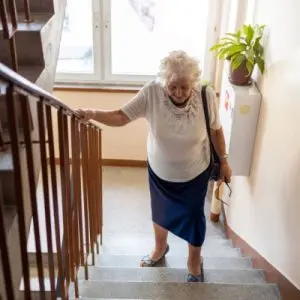 In this situation, a senior living alone or an aging parent falls in the bathroom and lies on the floor for a couple of days until someone realizes they haven’t heard or seen them. Upon being found, the older adult has a fractured hip, is dehydrated, is lying in soiled clothes, and is mentally delirious.
This situation can have serious short- and long-term consequences for senior health care.
A return home probably isn’t going to be possible because of the refusal to hire a caregiver to help them stay in their home – not doing so resulted in the opposite. A fall and permanent move to an assisted living community or a nursing home with staff to provide hands-on assistance may be the only care option.
Ending Reactionary Cycles to Bad Habits
The lesson is that everyone can be short-sighted and fail to consider future opportunities or consequences when reacting to one crisis at a time. When operating in an endless loop of stress, it can be difficult to consider anything else.
Let’s identify habits that can be managed through daily routines or structure in senior health care:
- Refusing to go to the doctor or not having a primary care physician or geriatrician means the emergency room becomes the primary care doctor’s office.
- Refusing to take meds or taking them inconsistently and then wondering why one feels poorly.
- Physical inactivity. Sitting in front of the television all day and night leads to low energy and poor balance and increases the risk of hip fractures.
- Social isolation that can negatively impact cognition and be linked to depression.
- Poor coping skills – as shown through impatience, being rude, inconsiderate of other people, emotional outbursts, anger, resentment, and so on.
- Poor nutrition, eating junk food, eating too much or not enough, which results in frailty, malnutrition, and low or high body mass.
- Refusing to ask for help due to feelings of insecurity, a lack of self-confidence, or a belief about always being right and not needing anyone—and then needing help from others.
- Monopolizing conversations when anyone is willing to listen. Venting, complaining, and blaming lead others to limit phone calls or visits to avoid the person with bad habits.
- Poor hygiene – not bathing or showering, washing hair, wearing clean clothing, or taking pride in one’s appearance. Others may not want to be seen in public with this individual.
- Making other people feel guilty or responsible. You are the person responsible for the current status of life.
Elder Care Solutions for Senior Health Care
 Let’s look at one more example, a urinary tract infection (UTI) that necessitates an emergency room visit.
Quantifying a caregiver’s time off work to help a parent in the emergency room or a nursing home may underscore the seriousness of addressing preventable, costly habits that contribute to senior health events.
Until one places a value or cost on family support, continued expectations of assistance from spouses, adult children, or others will persist and grow.
An older adult can have frequent urinary tract infections that negatively impact senior health and well-being due to one or any of the following.
- Not bathing frequently enough.
- Wearing incontinence briefs but not changing them when they become soiled.
- A lack of daily peri-care.
- A refusal to drink more water to flush bacteria from the bladder to prevent infections.
- Wearing a catheter but not cleaning around the catheter, which results in bacteria moving into the bladder.
The Consequences and Costs of Urinary Tract Infections in Senior Health Care
The result of a UTI can be falls and potential fractures, physical weakness, changes in mental status or memory, and more serious infections like sepsis.
For many adults, going to the hospital emergency room seems like the most practical next step. However, doing so can establish a pattern of failing to practice self-care or follow a doctor’s instructions, which may result in a report to Adult Protective Services.
Emotional and Financial Effects on Family Caregivers
 The consequences of a parent who does not prevent recurring urinary tract infections and frequently goes to the hospital emergency room pose a cost for their caregiver.
These include:
- Unplanned work absences to take a parent to the ER, meet a parent at the ER, or return a parent home from the ER
- Planned work absences to take a parent to a post-hospitalization primary care doctor’s appointment can result in work-family conflicts.
- Time to pick up prescriptions or incontinence supplies.
- Emotional stress related to having to take time off work or shift priorities from other projects or relationships in their life.
Every hour this family caregiver is absent from work represents a financial cost to the caregiver.
So, let’s assign a value of $500 each time the caregiver responds to a parent emergency.
If an elderly parent had to pay $500 for every unnecessary call that required the caregiver’s time, would they pay more attention to maintaining their health? Would they value the caregiver more?
Understanding the Why of Bad Habits Can Help Identify Elder Care Solutions
Until the “why” behind a bad habit is understood, it can be difficult to change senior health care behaviors.
- Memory loss makes any or all of the above difficult.
- Depression or apathy about self-care or health maintenance.
- Concerns over the cost of incontinence products.
- Lack of knowledge about the cost of a non-admitted emergency room visit, which can be the Medicare Part B deductible, an emergency room co-payment, and potential 20% coinsurance for original Medicare. According to the Agency for Healthcare Research and Quality, the average cost of a treat-and-release ED visit in 2021 for a person over age 65 was $1,110.
- The older adult does not want to increase the frequency of bathroom visits.
- A lack of understanding regarding the health risks of ongoing infections and resistance to antibiotics.
- A lack of transportation to a primary care physician or urology specialist.
Who Owns the Problem? Care Costs and Medical Costs
Yet, the bottom line is: Who owns the problem? It’s the older adult, not the caregiver. However, the effects are far-reaching and extend to Medicare and Medicaid services.
- The caregiver loses $500 in income every time a parent goes to the emergency room.
Having a son or daughter available who can facilitate treatment can save on caregiving costs, yet the medical costs can be even more significant.
- The older adult may have an associated medical cost of up to $1,110 for a treat-and-release hospital visit.
- If an ambulance is used for transportation to the hospital, the typical ride averages between $900 and #$1300 plus mileage.
Emergency Room Visits Can Be Costly
There can also be charges for on-scene treatment without transport to a hospital.
According to NAEMT article with research contributed by AHRQ, the most common diagnoses for all adults experiencing treat-and-release emergency visits include:
- Abdominal pain, diarrhea, and other digestive disorders
- Acute upper respiratory infection and other upper respiratory infections
- Non-specific chest pain
- Superficial injury, contusion
- Musculoskeletal pain, not low back pain
- Urinary tract infections
- Headache, including migraine
- Open wounds to limbs
- Skin and subcutaneous skin infections
- Respiratory signs and symptoms
Valuing a Family Caregiver’s Time and Personal Resources
A lack of attention to senior health care, self-care, or health maintenance that results in emergency calls to family caregivers can be distressing for the caregiver. In these situations, quantifying the effect on the caregiver’s time and personal resources is necessary to shift contributing behaviors.
Are Bad Habits Costing You Time, Money, and Peace of Mind?
Click the red arrow button in the picture below to watch the video.
Watch More Videos About Caregiving, Aging, and Health on Pamela’s YouTube Channel
Practical Steps for Family Caregivers
Caregivers who want to minimize work or career interruptions and family drama must identify how to influence elderly parents to take a more active role in daily and maintenance care. Family caregivers can consult with a caregiving expert in addition to taking the following steps:
- Create a list of personal resources expended in caring for a parent: time, money, energy, attention, relationships, and place a current and future time value of money and effort on these resources. What is the real cost of the caregiver’s time and trade-offs?
- Discuss skill building for self-care and health maintenance as a necessity, not an option. For example, what needs to be done every day to prevent this issue?
- Create a list of resources parents can contact for assistance instead of the caregiver, along with associated costs.
Practical Steps for Elderly Parents and Solo Agers
 Elderly parents who want to preserve positive relationships with adult children involved in their care also have a role.
Older adults without children or a family support system must create their own plan to maintain health and avoid unnecessary or repeated medical emergencies.
Older adults can:
- Accept accountability for habits, problems, and the solutions.
- Confirm the out-of-pocket medical costs related to Medicare co-pays, hospital and transportation co-pays, prescriptions, and visits to physicians resulting from self-care refusals.
- Meet with Pamela D Wilson, a caregiving expert who can help you craft a plan. Seek recommendations for care management or care planning from professionals or family caregivers to create daily routines and address health concerns.
- Create a list of signs indicating a change in condition for recurring events (e.g., urinary tract infections, panic attacks, heart conditions) so that steps can be taken to avoid an emergency room visit.
- Attend regular medical appointments to identify preventative measures to prevent unplanned emergencies.
- Hire in-home caregivers for support with activities of daily living, including hygiene tasks.
Getting Started
Discussing elder care solutions with aging parents and siblings can be challenging when not everyone is equally interested in addressing recurring concerns or creating a plan for the future.
Relationship challenges or imbalances in the family can be a deterrent for these conversations. This is when hiring a third party to assist or mediate elder care solutions or plans can be beneficial. Formal written agreements can assign tasks and accountability to the participants.
 There are choices for older adults and caregivers in repetitive situations where bad habits lead to emergencies, time-sensitive needs, or ongoing care needs that require increasing amounts of time.
If rebalancing the workload and responsibility between an elderly parent and caregiver is of interest, taking the above steps can be a good start. If you are a single senior or solo ager, then taking proactive steps is up to you.
© 2026 Pamela D Wilson. All Rights Reserved.