Friday, June 5, 2026
Effective pain management is defined as a multimodal, patient-centered approach that combines psychological therapies, physical activity, and carefully monitored medication. For anyone living with chronic pain, relying on a single strategy rarely delivers lasting results. The AMA Ed Hub confirms that coordinating education, lifestyle changes, and psychological support with regular follow-up produces better outcomes than any one treatment alone. The best practices for pain relief covered here are grounded in 2026 clinical guidelines and current research, giving you a practical framework you can act on today.
1. Combine CBT and exercise for maximum pain reduction
Cognitive behavioral therapy (CBT) combined with structured exercise produces small-to-moderate reductions in both pain intensity and physical disability, with effects that hold up in the short and mid-term. That finding matters because it means the gains are not just temporary relief. They reflect real changes in how your nervous system and mindset respond to pain signals.
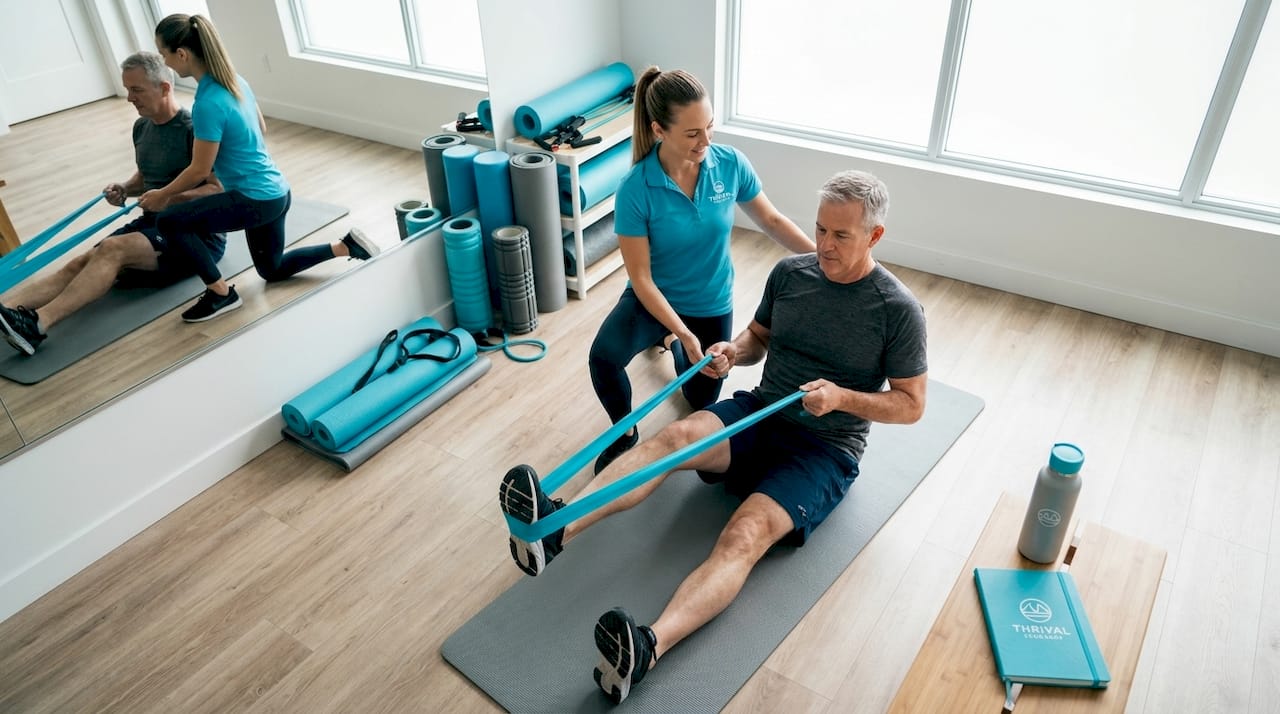
CBT works by targeting the psychological barriers that keep you stuck. Fear of movement, catastrophizing, and avoidance behaviors all reduce how much physical activity you can tolerate. When CBT addresses avoidance, it clears the mental path for exercise to deliver its physiological benefits, including reduced inflammation, stronger supporting muscles, and improved mood through endorphin release.
Exercise on its own is powerful. But without the coping tools CBT provides, many people with chronic pain quit their programs within weeks. The combination locks in adherence, which is what actually drives long-term improvement in quality of life and mental health.
- CBT improves self-efficacy and reduces pain catastrophizing
- Exercise builds physical resilience and reduces pain sensitivity over time
- Together, they address both the physical and psychological drivers of chronic pain
- Improvements in cognitive-behavioral outcomes and mental health are well-documented in meta-analysis data
Pro Tip: Group-based CBT and exercise programs may produce larger reductions in pain catastrophizing than individual sessions. The peer support dynamic adds accountability and motivation that solo programs often lack.
2. Prioritize non-pharmacological therapies as your first line of defense
Non-pharmacologic, non-invasive therapies including CBT, Acceptance and Commitment Therapy (ACT), Mindfulness-Based Stress Reduction (MBSR), and structured exercise are the first-line treatment options recommended by current clinical guidelines for chronic pain. This is a significant shift from older models that defaulted to medication first. The reasoning is straightforward: non-drug therapies target the disability drivers, specifically distress and avoidance, rather than just masking symptoms.
ACT teaches you to accept pain as a sensation without letting it control your behavior. MBSR, developed at the University of Massachusetts Medical School, trains attention and body awareness to reduce the emotional amplification of pain signals. Both approaches have strong evidence bases and work well alongside physical therapy.
“Effective multidisciplinary pain programs coordinate education, lifestyle, psychological strategies, and physical therapy with ongoing follow-up to adapt plans as pain fluctuates.” — AMA Ed Hub
Physical therapy and movement therapies deserve specific mention. Guided exercise, aquatic therapy, yoga, and tai chi all reduce pain and improve function across a range of chronic conditions. The key is selecting an activity you can sustain. A muscle therapy approach that targets specific tight spots and restricted areas can complement formal physical therapy by extending relief between sessions.
- ACT and MBSR reduce emotional reactivity to pain signals
- Physical therapy rebuilds strength and corrects movement patterns that contribute to pain
- Patient education helps you understand your pain, which reduces fear and improves self-management
- Lifestyle support, including sleep hygiene and stress reduction, reinforces all other therapies
3. Use the VA Whole Health team model as your care blueprint
The VA Whole Health team approach, studied across 764 patients with chronic pain, produced greater pain interference improvement after 12 months compared to CBT alone or standard care. That result is significant because it demonstrates that interdisciplinary coordination outperforms any single therapy, even a well-supported one like CBT. The model integrates physical, psychological, social, and lifestyle factors into one coordinated plan.
In practice, this means your pain management team might include a primary care physician, a physical therapist, a psychologist or counselor, a dietitian, and a pharmacist. Each professional addresses a different dimension of your pain experience. When these providers communicate and align on your goals, the plan adapts more effectively as your condition changes.
You do not need to be a veteran to apply this model. The principle is universal: build a care team, not just a care provider. If you are managing pain independently, you can replicate the structure by combining a physical therapist with a mental health professional and a knowledgeable primary care doctor who reviews your progress regularly. For practical guidance on building your own pain relief workflow, structured resources can help you organize the process.
4. Follow 2026 prescribing guidelines for safe medication use
Routine long-term opioid use is not recommended for chronic non-malignant pain. The 2026 Scottish Quality Prescribing Guide specifies short-term use of up to three months with careful review, not open-ended prescribing. That boundary exists because long-term opioid use carries serious risks without reliable evidence of sustained benefit for most chronic pain conditions.
The prescribing thresholds matter. At doses above 90 mg morphine equivalent dose (MED) per day, clinical guidelines recommend consultation with a pain specialist. Above 120 mg MED per day, the risk of serious harm rises substantially. For patients at elevated risk, co-prescribing naloxone is advised as a safety measure.
| Medication type | Role in chronic pain | Key consideration |
|---|
| Opioids (short-term) | Acute flare management | Review within 4 weeks; avoid routine long-term use |
| NSAIDs | Inflammation and musculoskeletal pain | Use lowest effective dose; monitor GI and cardiovascular risk |
| Duloxetine | Neuropathic and musculoskeletal pain | Evidence for fibromyalgia and osteoarthritis |
| Gabapentinoids | Neuropathic pain | Risk of dependence; use with caution |
| Naloxone (co-prescribed) | Overdose reversal for at-risk patients | Recommended above 90 mg MED/day |
Non-opioid medications including NSAIDs, duloxetine, and gabapentinoids each have specific indications. Matching the medication to the pain type improves outcomes and reduces unnecessary exposure to risk. When reducing any pain medication, gradual tapering with shared decision-making protects against withdrawal and preserves the therapeutic relationship.
Pro Tip: Ask your prescriber for a written medication review schedule at the start of any new pain treatment. Reviews within 4 weeks of starting and annually for higher doses are recommended by 2026 guidelines. Knowing the review timeline keeps both you and your provider accountable.
5. Apply activity pacing to prevent flare-ups
Activity pacing is the practice of spreading physical effort across the day to avoid the boom-and-bust cycle that worsens chronic pain. Most people with chronic pain either push through discomfort until they crash, or avoid activity entirely out of fear. Both patterns increase disability over time. Pacing breaks that cycle by setting consistent, manageable activity quotas that gradually expand as tolerance builds.
The practical approach is to identify your baseline, meaning the amount of activity you can do without triggering a significant flare. You then work slightly below that threshold initially, building up in small increments over weeks. This method, supported by self-management guidelines, reduces the fear of movement that keeps many people sedentary and in more pain.
Pacing applies to mental activity as well as physical. Cognitive fatigue from stress, screen time, and emotional demands also amplifies pain perception. Scheduling rest periods throughout the day, not just after physical tasks, supports the nervous system’s ability to regulate pain signals more effectively.
6. Use relaxation and breathing techniques to reduce pain perception
Controlled breathing and progressive muscle relaxation directly reduce the nervous system’s pain amplification response. Slow diaphragmatic breathing activates the parasympathetic nervous system, which counters the fight-or-flight state that intensifies pain. A simple starting point is the 4-7-8 technique: inhale for 4 counts, hold for 7, exhale for 8.
Progressive muscle relaxation, developed by Edmund Jacobson in the 1920s, involves systematically tensing and releasing muscle groups from feet to head. Regular practice reduces baseline muscle tension, which is a direct contributor to musculoskeletal pain. Studies on MBSR programs show that consistent relaxation practice changes how the brain processes pain signals over time.
These techniques are free, portable, and have no side effects. They work best when practiced daily rather than only during flare-ups. Building them into a morning or evening routine creates a reliable foundation for the rest of your pain management plan.
Mindfulness reduces pain by changing your relationship to it rather than eliminating the sensation itself. MBSR programs, typically delivered over eight weeks, train you to observe pain without judgment, which reduces the emotional suffering layered on top of the physical sensation. That distinction matters because the emotional component of chronic pain is often what drives disability and reduced quality of life.
Meditation apps like Headspace and Calm offer guided programs specifically designed for pain management. For a more structured clinical approach, MBSR courses are available through hospitals, community health centers, and online platforms. Even 10 minutes of daily mindfulness practice produces measurable changes in pain-related brain activity over several weeks.
Mindfulness also improves sleep quality, which has a direct impact on pain sensitivity. Poor sleep raises inflammatory markers and lowers pain thresholds. Addressing sleep through mindfulness and sleep hygiene practices is one of the most underused natural pain relief techniques available.
8. Support recovery through nutrition and hydration
Chronic inflammation is a core driver of many pain conditions, and diet directly influences inflammatory load. Anti-inflammatory eating patterns, such as the Mediterranean diet, emphasize omega-3 fatty acids from sources like salmon and walnuts, polyphenols from berries and leafy greens, and reduced intake of processed foods and refined sugars. These dietary shifts reduce circulating inflammatory markers over time.
Hydration affects muscle function, joint lubrication, and tissue repair. Dehydrated muscles are more prone to cramping, tightness, and delayed recovery after activity. Aiming for consistent water intake throughout the day, rather than large amounts at once, keeps tissues hydrated and supports the body’s natural repair processes.
Magnesium deficiency is common in people with chronic pain and contributes to muscle tension and poor sleep. Foods rich in magnesium include dark leafy greens, nuts, seeds, and whole grains. Addressing nutritional gaps through diet, and supplementation when indicated by a healthcare provider, supports the physical foundation that all other pain relief strategies depend on.
Pro Tip: Build a written flare plan that lists your top three non-drug strategies, such as breathing exercises, gentle movement, and heat therapy, so you have a clear protocol ready before a flare escalates. Having a plan reduces anxiety and prevents reactive decisions like unplanned medication increases.
Key takeaways
Effective pain relief requires combining psychological therapies, structured movement, safe medication practices, and lifestyle modifications in a coordinated, patient-centered plan.
| Point | Details |
|---|
| CBT plus exercise | Combining both produces sustained reductions in pain intensity and disability beyond either approach alone. |
| Non-drug therapies first | ACT, MBSR, and physical therapy are first-line treatments per 2026 clinical guidelines. |
| Medication safety thresholds | Opioid doses above 90 mg MED/day require specialist consultation and scheduled review. |
| Activity pacing | Setting consistent, gradual activity quotas prevents the boom-and-bust cycle that worsens chronic pain. |
| Flare management planning | A written non-drug flare plan reduces reactive decisions and supports long-term self-management. |
What I’ve learned about managing pain over the long term
Most people come to pain management expecting a fix. What actually works is building a system. After years of working with pain relief research and recovery tools, the clearest pattern I see is that the people who do best are the ones who stop searching for the single answer and start layering strategies deliberately.
The research on CBT combined with exercise is genuinely compelling, but the clinical nuance that gets lost in summaries is this: the psychological work has to come first for many people. If someone is terrified of movement, handing them an exercise program without addressing that fear produces dropout, not recovery. The sequence matters.
I also think the medication conversation is handled poorly in most general health content. The 2026 Scottish prescribing guidelines are not anti-medication. They are pro-review. The distinction is important. Medication has a role, especially in acute flares and for specific pain types. The problem is when it becomes a substitute for the harder work of building physical and psychological resilience.
The most underrated strategy on this list is the flare plan. Chronic pain is not linear. Flares happen regardless of how well you manage your baseline. Having a written, pre-decided protocol for those moments changes the entire experience. It removes the panic, reduces the likelihood of reactive medication escalation, and gets you back to baseline faster. That single habit, more than any individual therapy, is what separates people who manage chronic pain well from those who feel controlled by it.
— Cameron
How Thrival supports your pain relief routine
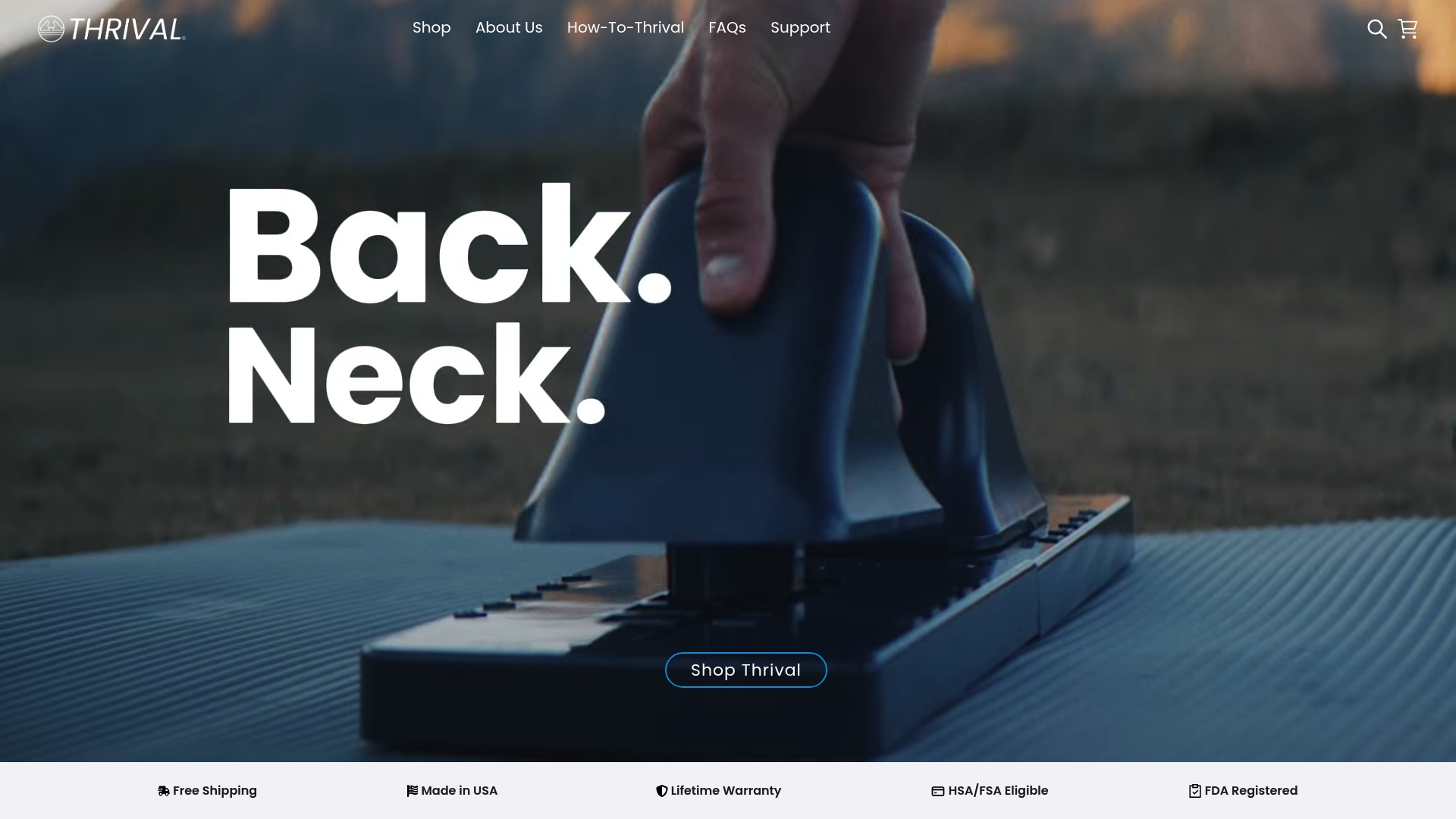
The strategies in this article work best when you have the right physical tools to support them. Thrival’s Deep Tissue Pro system is a non-motorized, US-manufactured recovery board designed to deliver targeted muscle release for the back, hips, neck, and shoulders. You attach the tool that fits your need: the Bullseye attachment for precise trigger point work, the Wave for broader muscle group release, or the Arch for spinal decompression. Each attachment targets a specific area, so your recovery is deliberate rather than general. Thrival comes with a dedicated app, instructional routines, free shipping, and a lifetime warranty. It is the kind of tool that fits directly into the pacing and self-management practices outlined above.
FAQ
What are the best non-drug options for chronic pain?
CBT, ACT, MBSR, physical therapy, and structured exercise are the first-line non-pharmacological treatments recommended by current clinical guidelines. These therapies target both the physical and psychological drivers of chronic pain.
How does CBT help with pain relief?
CBT reduces fear of movement, catastrophizing, and avoidance behaviors that limit physical activity and worsen disability. Combined with exercise, it produces sustained improvements in pain intensity and quality of life.
When is opioid medication appropriate for chronic pain?
Short-term opioid use of up to three months may be appropriate for some chronic pain conditions, with review within four weeks of starting. Doses above 90 mg MED per day require specialist consultation per 2026 prescribing guidelines.
What is activity pacing and why does it matter?
Activity pacing means spreading physical effort across the day at a consistent, manageable level to avoid triggering flare-ups. It breaks the boom-and-bust cycle that increases disability in people with chronic pain.
Can lifestyle changes like diet and sleep actually reduce pain?
Yes. Anti-inflammatory diets, consistent hydration, and improved sleep quality all reduce inflammatory markers and lower pain sensitivity. Poor sleep in particular raises pain thresholds and worsens chronic pain conditions.
Recommended