Tuesday, May 5, 2026
Picking the right soft tissue therapy feels overwhelming when you’re staring down a menu of acronyms, tools, and techniques that all promise relief. Swedish massage, IASTM, ART, cupping, percussive therapy — each one has its advocates, and each one has real research behind it. The problem isn’t a lack of options; it’s knowing which option fits your body, your training stage, and your recovery goals. This guide cuts straight to what works, what the evidence actually shows, and how to match the right therapy to your exact situation.
Table of Contents
Key Takeaways
| Point | Details |
|---|
| Therapy goal matters | Select a soft tissue therapy that matches your recovery goal, not just what’s trending. |
| Know the timing | Some therapies, like SMR, should be time-limited before power activity to avoid performance drops. |
| Layer approaches | Combining techniques often produces better results than any single therapy alone. |
| Expert guidance helps | Professional tools boost precision and results, especially when used with evidence-based strategies. |
How to evaluate soft tissue therapy options
Before you pick a method, you need to know what you’re measuring against. Soft tissue therapy has three core goals: reducing pain, restoring mobility, and accelerating recovery. Without those benchmarks in mind, you’re guessing.
The numbers matter here. Research shows you should expect 12-20% ROM gains and a pain reduction of 2 to 3 points on the Numeric Pain Rating Scale (NPRS, a 0-10 self-reported pain scale) from effective therapy sessions. Those are realistic targets, not ceiling numbers. If your current approach isn’t delivering anywhere near that range after several consistent sessions, it’s worth reassessing your method.
Key factors to weigh before choosing:
- Type of pain: Acute injury versus chronic tightness responds very differently to the same technique.
- Performance demands: A competitive athlete in-season needs a different protocol than someone recovering from a desk job.
- Injury status: Some modalities are contraindicated (not recommended) during active inflammation or recent soft tissue tears.
- Access to equipment: Hands-on therapies require a practitioner; tool-based therapies can be done at home with the right gear.
- Timing relative to training: This is the one most athletes miss. Prolonged self-myofascial release (SMR) done right before explosive training can actually reduce power output temporarily. The research on SMR timing is clear: keep pre-workout SMR under two to five minutes to avoid a measurable drop in explosive performance.
Pro Tip: If you’re serious about consistent, trackable improvements, look into muscle recovery tools designed for professional-grade application. Consumer-level tools have come a long way, and the right device can replicate clinical outcomes at home.
Understanding these criteria before you invest time or money in any therapy is the difference between real results and spinning your wheels.
The main types of soft tissue therapy explained
Each therapy type has a distinct mechanism. Knowing how each one works tells you when to use it and when to leave it on the shelf.
Here’s a breakdown of the six most relevant therapy types for athletes and active individuals:
- Myofascial release (MFR): Applies gentle, sustained pressure to the fascia (the connective tissue surrounding muscles) to release restrictions and improve tissue glide. Best for chronic stiffness, restricted movement patterns, and post-event soreness.
- Trigger point therapy: Targets hyperirritable spots (knots) within muscle tissue using direct, localized pressure. Relieves referred pain, which is pain felt in a different location from the actual knot. Great for trigger point therapy between training sessions.
- Active release technique (ART): Combines practitioner-applied tension with the athlete’s own active movement to break up scar tissue and restore function. Requires a certified ART provider, but results are typically fast.
- Instrument-assisted soft tissue mobilization (IASTM): Uses specially shaped tools to apply shear forces to the tissue, detecting and breaking up adhesions and scar tissue. Commonly used for chronic overuse injuries.
- Percussive massage therapy (PMT): Delivers rapid, repetitive pressure pulses — typically at 35 to 45 Hz — to increase local blood flow and reduce stiffness. Highly portable and effective for warm-up and recovery.
- Cupping: Creates negative pressure on the skin and superficial muscle layers to decompress tissue and improve circulation. Less painful than deep tissue work when applied dynamically.
Pro Tip: Match your therapy type to your recovery stage. Acute injury? Gentle MFR or light massage. Chronic fatigue and stiffness? Trigger point work or PMT. Post-event recovery? Cupping or Swedish massage. The therapeutic massage benefits for each stage are well-documented.
| Therapy type | Primary mechanism | Best used for | Requires practitioner? |
|---|
| Myofascial release | Sustained fascia pressure | Chronic stiffness, restricted ROM | Optional |
| Trigger point therapy | Direct knot pressure | Referred pain, muscle knots | Optional |
| ART | Tension + active movement | Scar tissue, overuse injury | Yes |
| IASTM | Shear force with tools | Adhesions, chronic overuse | Optional |
| PMT | Percussive pulses | Soreness, warm-up, recovery | No |
| Cupping | Negative pressure | Circulation, decompression | Optional |
Each method has a clear lane. The mistake most athletes make is using only one regardless of context.
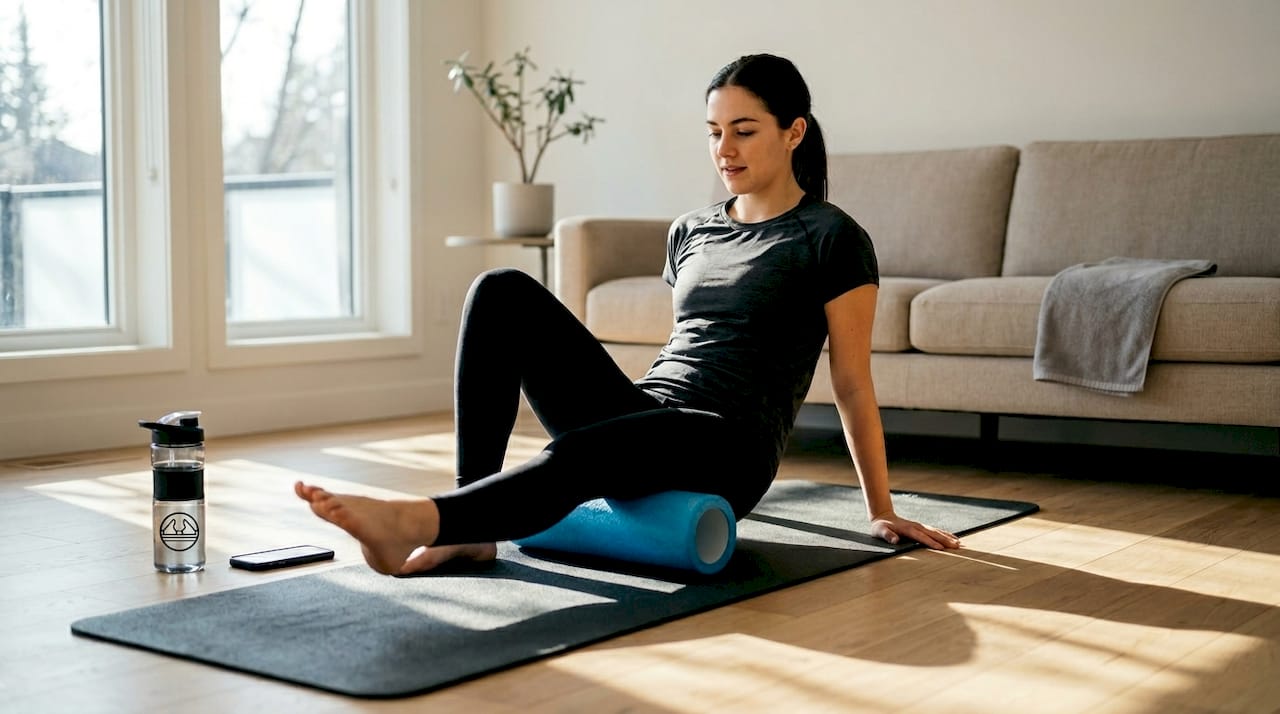
How therapy types compare: effectiveness and cautions
Understanding mechanisms is useful. Seeing head-to-head results is better. Here’s what the research actually shows when these methods go up against each other.
“Swedish massage increased hamstring flexibility by 20%, double the foam rolling gain.”
That quote comes directly from a controlled trial. In a randomized controlled trial (RCT) with 30 female athletes, Swedish massage outperformed foam rolling on both hamstring flexibility (20% vs. 10%) and power output gains (19% vs. 8%). MFR combined with isokinetic training (resistance training through a joint’s full range) produced a pain reduction of 2.6 NPRS points, improved shoulder abduction by 17 degrees, and reduced Shoulder Pain and Disability Index (SPADI) scores by 10.5% in basketball players with shoulder impingement syndrome.
Those are real, significant outcomes. Here’s how to use those numbers in your decision-making:
- For flexibility and power: Swedish massage or MFR will reliably outperform self-administered foam rolling, especially if you’re working with a trained therapist.
- For shoulder or upper-body recovery: MFR paired with active strengthening work delivers measurable pain and mobility improvements.
- For soreness management: PMT consistently reduces perceived soreness and stiffness, even if its effect on actual performance metrics is less consistent.
- For timing before training: Avoid prolonged SMR before jumping, sprinting, or lifting heavy. Five minutes of SMR has been shown to decrease vertical jump height by 5.1% (effect size 0.26). That’s a small but real performance cost when it matters.
| Therapy | ROM gain | Pain reduction | Power/performance effect |
|---|
| Swedish massage | ~20% | Significant | Positive (19% gain) |
| MFR | 12-17 degrees | 2.6 NPRS | Positive with training |
| Foam rolling (SMR) | ~10% | Moderate | Negative if prolonged pre-activity |
| PMT | Moderate | Moderate | Inconsistent |
| Cupping | Moderate | Moderate | Insufficient data |
The key takeaway: your therapy choice should directly match your goals. If body feedback in therapy tells you a method isn’t producing results within four to six sessions, it’s not the right fit for your current situation.
Advanced considerations, real-world scenarios, and expert pro tips
Effectiveness data gives you the framework. Real-world application means knowing when the rules change, what mistakes to avoid, and how to adapt for your specific training context.
Timing and SMR: The five-minute ceiling before explosive training isn’t arbitrary. Prolonged SMR affects neuromuscular activation patterns, and that effect is temporary but real. Keep pre-workout foam rolling short and save longer sessions for post-training or rest days.
IASTM pitfalls: This is one of the most technique-sensitive modalities. Three common errors cause problems:
- Starting with cold tissue. Always warm up the area before applying tool pressure.
- Using excessive pressure too soon. Build gradually; aggressive early application triggers muscle guarding, which defeats the purpose.
- Treating only where it hurts. IASTM should address the movement pattern that’s causing the pain, not just the painful spot.
Cupping safety: Static cupping (holding the cup in one place) can produce significant bruising and extended tissue discoloration. Dynamic cupping — moving the cup across the tissue — reduces bruising risk while still delivering decompression and circulation benefits. For athletes who need to perform again within 48 to 72 hours, dynamic is almost always the better choice.
Human vs. animal research: A lot of early IASTM and soft tissue repair research comes from animal studies, which consistently show enhanced tissue healing. Human studies are more mixed and show smaller effect sizes. This doesn’t mean the therapies don’t work — it means you should expect realistic outcomes, not dramatic overnight repair.
Post-training inflammation: After heavy plyometric (explosive jump-based) training, light to moderate massage reduces inflammation and pain more effectively than intense deep tissue work. The research on post-plyometric massage shows that aggressive pressure immediately after high-load training can actually increase soreness rather than reduce it. Let the acute inflammation window pass first (generally 24 to 48 hours) before going deep.
- Post-heavy training: Light massage, gentle MFR, or low-intensity PMT
- Chronic overuse or stiffness: IASTM, ART, trigger point therapy
- Pre-training warm-up: Short PMT session (under 5 minutes), dynamic movement
- Active recovery days: Cupping, Swedish massage, moderate MFR
For a full approach to balancing these choices over a training week, mobility and recovery strategies should guide your overall plan.
Pro Tip: Treat soft tissue therapy as a complement to your training, not a substitute for adequate sleep, hydration, and nutrition. No tool replaces the basics, but the right tool used at the right time accelerates every other recovery input you’re already making.
What most athletes get wrong about recovery therapies
Here’s the uncomfortable truth most recovery content won’t say directly: the obsession with finding the one perfect therapy is itself the problem.
Athletes routinely chase single modalities — foam rolling religiously for months with no results, or buying every percussion device on the market hoping one will finally “fix” the issue. The research doesn’t support any single method as universally superior. What the research does support is matching the right method to the right context, applied consistently over time.
Ignoring the timing rules we outlined earlier is the most costly mistake. An athlete who does eight minutes of deep SMR right before a power-focused training session isn’t helping their performance — they’re measurably hurting it for that session. This isn’t a minor quibble. Over weeks of competition or intensive training, repeated pre-activity power decrements add up.
The other major error is confusing intensity with effectiveness. Deeper, harder, longer is not automatically better. Light to moderate techniques applied at the correct recovery window often outperform aggressive protocols applied at the wrong time. Real recovery is intelligent, not punishing.
The smart athlete builds a toolkit rather than a single go-to. That toolkit includes at least one hands-on method for deeper work, one tool-based method for daily maintenance, and a clear understanding of when each belongs in the week. Finding your recovery fit means being honest about your training demands, your injury history, and your access to professional support — and then selecting accordingly.
Consistency and strategic timing beat intensity and hype every time.
You now have a clear framework for selecting, applying, and timing soft tissue therapy. The next step is having the right tools to put that framework into practice consistently.
Professional-grade recovery devices close the gap between clinical results and at-home practice. Thrival’s lineup is built specifically for athletes and active individuals who need reliable, targeted muscle relief without scheduling a clinic visit every time. Whether you need precision trigger point work, deep tissue release, or full-body recovery sessions, the right device makes every technique more effective. Explore muscle recovery essentials to find your fit, check out the Deep Tissue Pro for targeted deep release, or browse Wave Attachments to customize your therapy setup. US-made, lifetime warranty, and FDA registered.
Frequently asked questions
Which soft tissue therapy is best for post-workout muscle soreness?
Swedish massage and myofascial release have the strongest research-backed evidence for reducing post-workout pain and improving flexibility, with Swedish massage producing roughly double the ROM gains compared to foam rolling in controlled trials.
How long should I use self-myofascial release (SMR) before exercise?
Keep SMR under five minutes before explosive or power-focused activities, since sessions over two to five minutes have been shown to cause a temporary but measurable drop in jump and sprint performance.
What’s the safest therapy type for beginners?
Gentle myofascial release and light to moderate massage are the safest starting points, as light massage reduces post-training inflammation without the risk of aggravating tissue that deeper techniques can carry when applied without proper technique.
Professional tools improve precision and target deeper layers more consistently, but the research shows that hands-on methods like MFR and Swedish massage often outperform foam rolling on key outcomes even without specialized equipment, provided the technique is correct.
Recommended