Wednesday, May 6, 2026
Tight muscles can turn an ordinary day into an uncomfortable grind. Whether you’re logging hours at a desk, pushing through training sessions, or simply dealing with daily stress, muscle tension limits your movement, disrupts your sleep, and chips away at your overall comfort. The good news is that evidence-based strategies, the right tools, and consistent routines can deliver real, lasting relief. This guide walks you through exactly what you need to know, from identifying what’s driving your tension to building a practical routine that actually sticks.
Table of Contents
Key Takeaways
| Point | Details |
|---|
| Understand your tension triggers | Identifying what causes your muscle tension makes relief strategies more effective. |
| Use proven self-care routines | Progressive muscle relaxation, targeted stretching, and trigger point massage help ease tension quickly. |
| Avoid common mistakes | Don’t overdo force or skip regular practice; safety and consistency matter most. |
| Measure your progress | Track your flexibility and pain levels to refine your approach and stay motivated. |
| Choose the right tools | Selecting proper tools and recovery devices supports faster, lasting muscle relief. |
What causes muscle tension and why it matters
Muscle tension happens when muscle fibers contract and stay partially contracted, even when you’re at rest. That persistent tightness isn’t just uncomfortable. It reduces your range of motion, creates pressure on nearby nerves, and, when left unaddressed, develops into chronic pain that interferes with daily tasks.
Several factors drive muscle tension causes in active individuals and desk workers alike:
- Repetitive movement or overuse: Repeating the same motion, whether typing, lifting, or running, fatigues specific muscle groups and causes them to guard by staying contracted.
- Poor posture: Sitting with a forward head position or rounded shoulders puts sustained load on the upper back, neck, and shoulder muscles for hours at a time.
- Physical inactivity: Staying still for long periods reduces circulation and allows muscles to stiffen, especially in the hips and lower back.
- Psychological stress: Stress triggers the body’s fight-or-flight response, causing muscles to tighten as a protective reaction. Progressive muscle relaxation directly counters this, since tension and relaxation cannot coexist in the same muscle at the same time, making it particularly effective for stress-related tightness in both athletes and desk workers.
- Inadequate recovery: Training without enough rest time causes cumulative muscle fatigue that compounds tightness over days and weeks.
The impact goes beyond physical discomfort. Persistent tension affects how you move, how you perform in your sport or job, and how your body warning signals show up over time. Addressing it early prevents small knots from becoming structural problems. Many chiropractic wellness techniques focus on releasing chronic muscle tension as a first step before any spinal adjustment, highlighting just how central muscle tightness is to overall musculoskeletal health.
Pro Tip: Keep a simple daily log for one week. Note the time of day your tension peaks, which area is affected, and what activity preceded it. Patterns emerge quickly and help you target relief where and when it matters most.
Once you understand what triggers your tension, selecting the right tools makes a significant difference in how efficiently you can address it. The good news is that effective relief doesn’t require expensive equipment or a professional appointment every time.
Here’s a breakdown of the primary tools used for self-care muscle relief:
- Foam rollers: Broad coverage for large muscle groups like the quads, hamstrings, and upper back. Best for general myofascial release (loosening the connective tissue surrounding muscles).
- Massage balls and lacrosse balls: Precise pressure for smaller, targeted areas like the glutes, shoulders, and plantar fascia. Replicating the classic lacrosse ball effect, these tools let you isolate specific tight spots.
- Deep tissue massage devices: Motorized or manually leveraged tools that apply sustained, focused pressure to reach deeper muscle layers. Purpose-built muscle recovery tools in this category can replicate professional-level targeted release.
- Heating pads: Increase blood flow to a tense area before manual work, making tissue more receptive to release. Most effective for chronic, low-grade stiffness rather than acute injury.
- Topical creams and balms: Menthol-based topicals create a cooling or warming sensation that can modulate pain perception locally, though they don’t address the underlying tension directly.
| Tool | Best for | Pressure level | Portability |
|---|
| Foam roller | Large muscle groups | Low to medium | Medium |
| Massage ball | Targeted knots and trigger points | Medium to high | High |
| Deep tissue device | Persistent, layered tension | High | Medium to high |
| Heating pad | Chronic stiffness, pre-session warmup | N/A | Low |
| Topical cream | Temporary pain modulation | N/A | High |
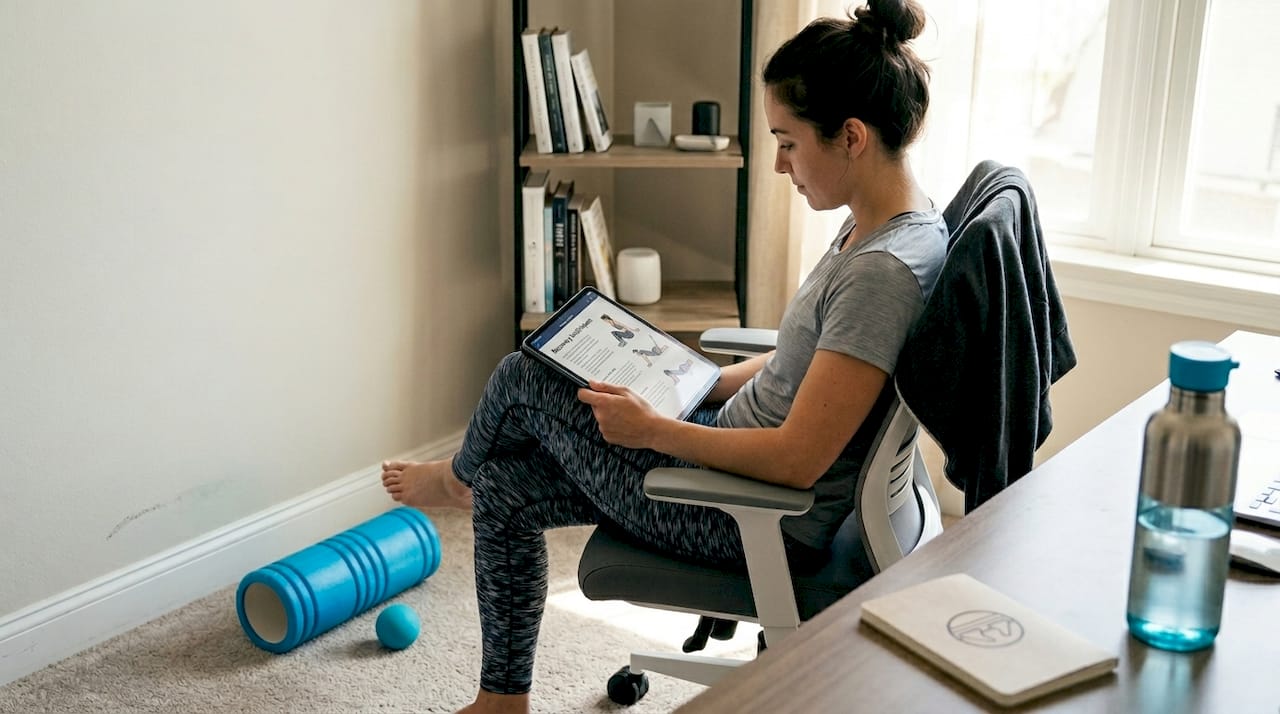
Trigger point massage using firm, sustained pressure for 90 seconds, repeated over a 3 to 5 minute session and performed up to 6 times per day, has been shown to improve circulation and mobility for persistent muscle knots. That means even a simple massage ball used correctly can deliver clinical-level results when applied consistently.
Manual tools work well for mild to moderate tension. For deeper, layered tightness that doesn’t respond to surface-level work, a purpose-built device that generates sustained, calibrated pressure gives you far more control and penetration depth.
Step-by-step muscle tension relief techniques
With your tools ready, you can apply these three proven methods in sequence for the most effective relief. Each one addresses a different layer of the tension cycle.
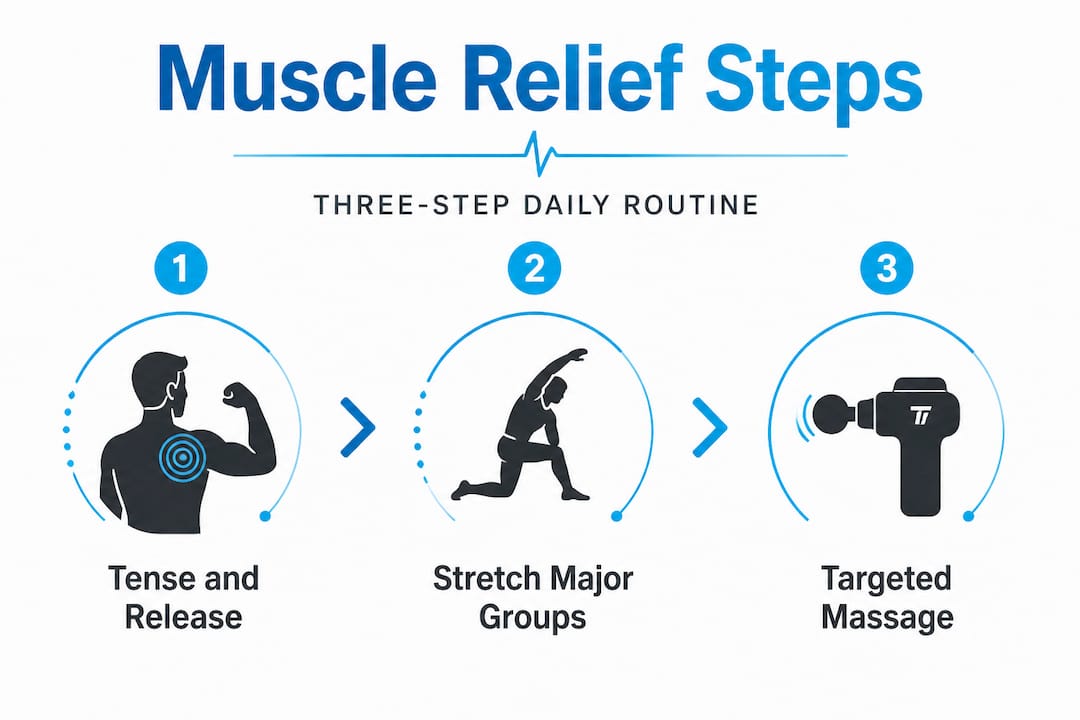
1. Progressive muscle relaxation (PMR)
PMR is a structured technique where you deliberately tense a muscle group, hold that contraction, then fully release it. This sequence teaches your nervous system to recognize the difference between tension and relaxation, making it easier to let go of chronic guarding. Research confirms that tensing muscles for 5 seconds then releasing for 10 to 20 seconds heightens body awareness and promotes genuine relaxation in the targeted area.
Start from your feet and move upward through your calves, thighs, abdomen, hands, arms, shoulders, and face. A full session takes about 15 to 20 minutes and can be done lying down. This is especially valuable for stress-driven tension because it interrupts the anxiety response at a physiological level.
2. Stretching
Static stretching (holding a position without movement) is the most practical approach for relieving existing tension. Harvard research recommends that healthy adults stretch major muscle groups 2 to 3 times per week, holding each stretch long enough to total 60 seconds per muscle group. That could mean one 60-second hold or four 15-second holds on the same muscle.
| Muscle group | Recommended stretch | Hold duration | Frequency |
|---|
| Hip flexors | Kneeling lunge stretch | 30 to 60 seconds | 2 to 3x per week |
| Hamstrings | Seated forward fold | 30 to 60 seconds | 2 to 3x per week |
| Upper traps | Ear-to-shoulder neck tilt | 30 to 60 seconds | 2 to 3x per week |
| Chest and anterior shoulders | Doorway stretch | 30 to 60 seconds | 2 to 3x per week |
| Lower back | Knees-to-chest supine stretch | 30 to 60 seconds | 2 to 3x per week |
Pro Tip: Pair each stretch with slow, deliberate exhales. Breathing out as you deepen a stretch activates your parasympathetic nervous system, which signals muscles to relax further. You’ll often gain an extra inch of range just from controlled breathing.
3. Trigger point massage
A trigger point is a hyperirritable spot within a tense muscle that refers pain to a nearby area when pressed. Releasing these points directly addresses the source of tightness rather than just the symptoms. For detailed guidance on how to locate and release these spots, trigger point therapy principles give you a reliable framework.
Apply firm, sustained pressure directly to the tight spot using a massage ball or device. Hold for 90 seconds, release, then repeat across a 3 to 5 minute window. You can perform this sequence up to 6 times daily for a persistent knot. For deeper muscle layers in the back or hips, deep tissue massage techniques and tools that focus on layered pressure produce better outcomes than surface-level rolling.
Safety note: Never apply deep pressure directly to an acutely injured area, an inflamed joint, or over a bruise. Deep tissue work is for chronic tension in otherwise healthy tissue, not for fresh injuries.
The mobility and recovery benefits from combining these three methods compound over time. PMR resets your nervous system, stretching lengthens shortened tissue, and trigger point work clears the focal points of tightness. Together, they address the full chain of the tension cycle.
Troubleshooting and common mistakes in muscle tension easing
Even with the right tools and techniques, results can stall when a few common mistakes go uncorrected. Here’s what to watch for and how to fix it.
- Using too much pressure, too soon: More pressure is not always better. Forcing a massage tool aggressively into tight tissue can trigger a protective contraction response, making tension worse rather than better. Start with moderate pressure and increase only when the tissue begins to soften.
- Inconsistent practice: A single 20-minute session rarely delivers lasting change. Tension builds over days and weeks of accumulated stress or inactivity. The research is clear that flexibility improves long-term with consistent practice, though post-exercise stretching shows only minimal short-term reduction in soreness. Show up regularly, even briefly, rather than doing intense sessions sporadically.
- Ignoring the stress component: Many people address physical tension without touching the underlying stress that generates it. If your job, sleep, or emotional state is consistently high-stress, physical techniques alone will only provide temporary relief.
- Skipping warm-up before deep work: Going straight into aggressive trigger point work on cold muscles reduces effectiveness and increases the risk of bruising or soreness. A 5-minute walk, gentle movement, or a heating pad application prepares the tissue first.
Safety warning: Avoid any form of deep tissue massage on an acutely injured muscle, a recently strained area, or any region where you feel sharp or shooting pain. Those symptoms require medical evaluation before self-care begins.
Understanding the massage technique benefits and their proper application will help you avoid the most common errors. And if hip tension management is a persistent challenge, treating the hips as a priority zone rather than an afterthought often unlocks relief in the lower back and knees as well.
Pro Tip: If an area stays tight despite consistent work over two weeks, that’s a signal to evaluate your daily ergonomics, sleep position, or training load. The problem may be occurring faster than your recovery can address it.
How to measure your progress and results
Tracking your results gives you objective feedback and keeps you motivated when progress feels slow. Subjective improvements in comfort are valid, but these concrete methods give you sharper data.
- Range of motion test: Before your first session, perform a standing forward fold or shoulder rotation and note your maximum range. Retest weekly under the same conditions. Measurable gains in range are a reliable indicator that your routine is working.
- Pain scale self-assessment: Rate your tension or discomfort on a 0 to 10 scale before and after each session. Log it consistently. Even small decreases add up and show whether a particular technique is effective for you.
- Frequency and duration tracking: Note how often you need to address a specific area. If you start the week needing daily sessions for your neck and by week three you only need two sessions, that’s measurable improvement.
- Functional benchmarks: Pay attention to everyday actions. Does sitting at your desk for two hours feel easier? Does your warmup take less time? These real-world markers often reflect progress before formal tests do.
- When to seek expert help: If tension persists or worsens after four weeks of consistent self-care, or if you experience numbness, tingling, or sharp localized pain, consult a physical therapist or physician. Some tension patterns require professional assessment to rule out nerve involvement or structural issues.
For a deeper look at device-based recovery options that support measurable progress, massage device bundles that combine multiple tools are worth exploring when a single-tool approach isn’t delivering the results you need.
Our take: Why practical routines beat ‘miracle cures’
The wellness market is full of products and protocols promising fast, permanent relief from muscle tension. Some deliver short-term comfort. Very few produce lasting change. The reason is straightforward: tension is a pattern, not an event. It builds through repeated behavior, sustained stress, and accumulated movement habits. A single foam roller session or a one-time massage can interrupt the cycle temporarily, but it doesn’t rewire the pattern.
What actually works is far less exciting to sell but far more effective in practice. Consistent daily routines, even 10 to 15 minutes focused on the right areas, produce compounding results over weeks. Addressing the root causes of muscle tension through both physical and lifestyle changes is the only way to see lasting improvement.
We’ve seen people invest in high-end recovery technology and see minimal change because they use it sporadically. We’ve also seen people with a simple massage ball and a disciplined daily routine outperform those with full recovery setups. The variable isn’t the tool. It’s the habit.
The most empowering shift you can make is treating recovery the same way you treat training: as a scheduled, non-negotiable practice with trackable outcomes. Miracle cures are a distraction. Practical, consistent routines are what move the needle.
If your tension is persistent, layered, or covers multiple areas like the back, hips, neck, and shoulders, standard foam rolling may not be reaching far enough. Specialized devices deliver targeted, calibrated pressure that general tools simply can’t replicate.
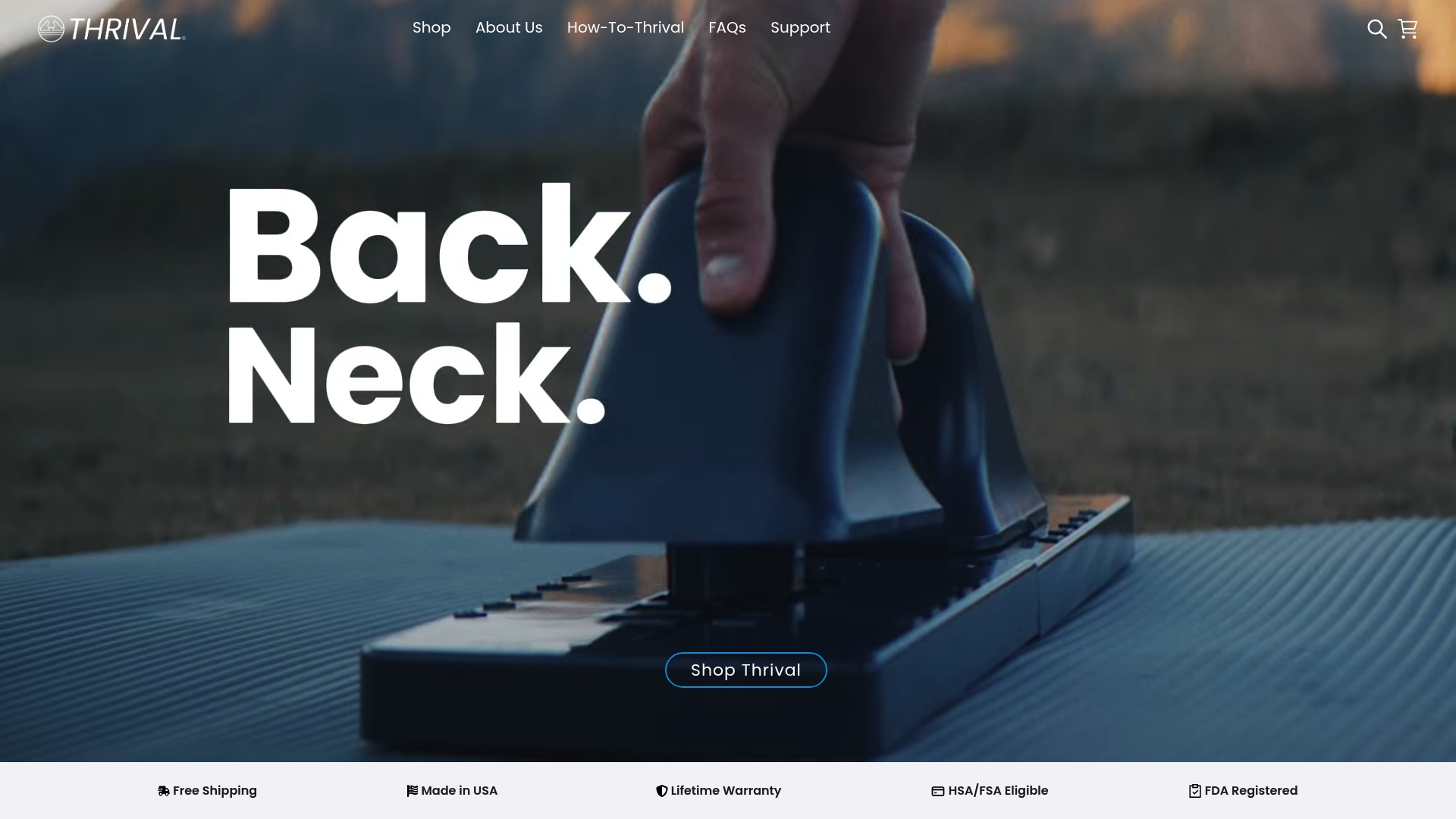
At Thrival, our recovery tools are designed specifically for the kind of deep, targeted release that gets results. The Thrival Deep Tissue Pro is built to deliver professional-grade pressure to persistent tension zones, and our Wave attachments let you customize your approach for different muscle groups and depth levels. Every product is US-manufactured, FDA-registered, and backed by a lifetime warranty, so you’re investing in tools that last and perform. If your current routine has plateaued, a more targeted device may be exactly what gets you to the next level of relief.
Frequently asked questions
What causes sudden muscle tension?
Sudden muscle tension is most often triggered by acute stress, physical strain, overuse, or a sharp movement that causes the muscle to contract protectively. Stress-related tension activates the body’s fight-or-flight response, which causes muscles to tighten involuntarily as a defense mechanism.
How often should I stretch to prevent muscle tension?
Aim to stretch major muscle groups 2 to 3 times per week, accumulating 60 seconds of total stretch time per muscle group for optimal flexibility and tension prevention.
Yes. Applying firm pressure for 90 seconds, repeated over a 3 to 5 minute window up to 6 times daily, has been shown to improve circulation and mobility in chronically tight tissue.
Should I stretch before or after workouts to ease tension?
Post-workout stretching is more effective for easing existing tension and improving flexibility long-term, while pre-workout stretching is better for preparing muscles for movement without significantly reducing post-exercise soreness.
Recommended