Monday, June 8, 2026
Tissue mobilization is defined as a manual therapy technique that applies targeted pressure and directional movement to soft tissues, including muscles, fascia, tendons, and ligaments, to release restrictions and restore normal movement. Licensed physical therapists use hands or specialized instruments to address specific mechanical dysfunctions rather than general muscle relaxation. The goal is precise: locate adhesions, break them down, and improve the slide and glide between tissue layers. Understanding what tissue mobilization is, how it works, and what separates it from massage gives you a clear framework for making smarter decisions about your recovery and mobility.
What is tissue mobilization and how does it work?
Tissue mobilization, also referred to clinically as soft tissue mobilization (STM), is a practitioner-driven technique based on diagnostic assessment rather than broad, generalized strokes. A therapist first identifies the precise location of adhesions or restricted tissue layers, then applies pressure in a specific direction to restore normal tissue glide. This is fundamentally different from pressing on a sore muscle and hoping for relief.
The physiological mechanism centers on three processes: breaking down scar tissue and adhesions that limit movement, increasing local blood flow to accelerate healing, and reducing inflammation in the targeted area. Fascia, the connective tissue that wraps every muscle and organ, is a primary target. When fascia becomes tight or scarred after injury or repetitive strain, it restricts movement across multiple joints and muscle groups simultaneously.
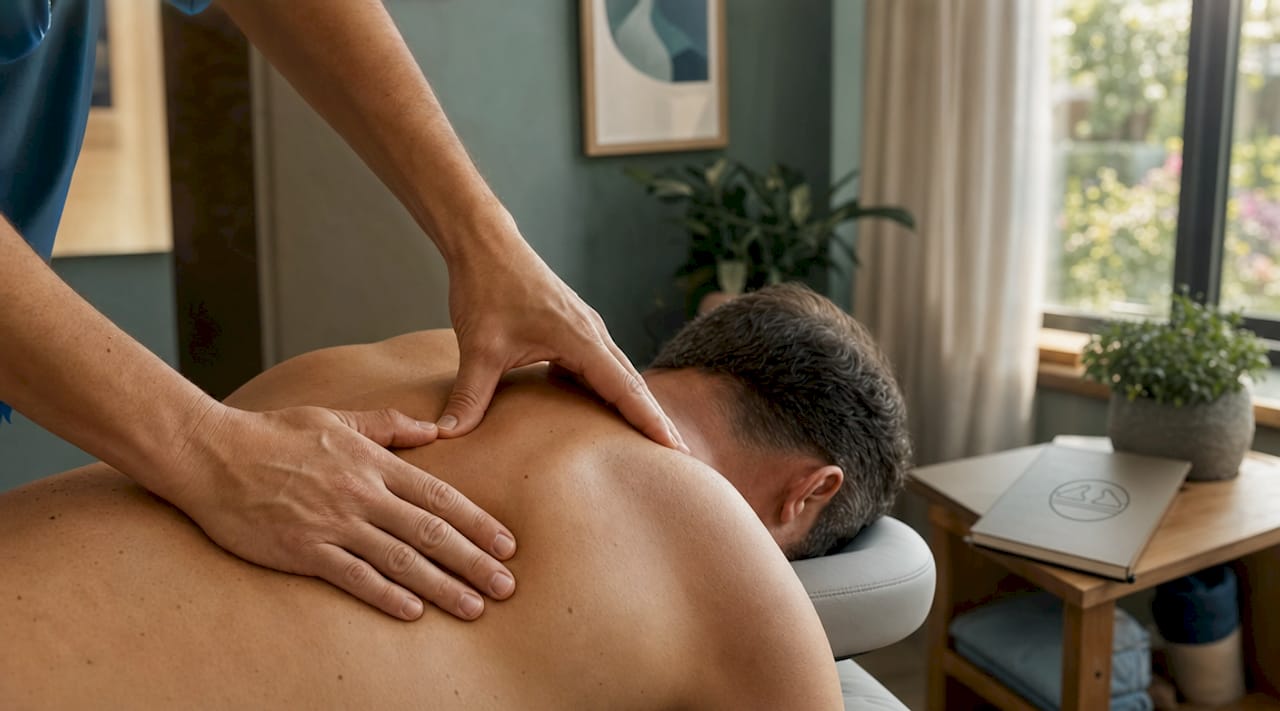
Myofascial release is one of the most recognized subcategories within tissue mobilization. The definition of myofascial release specifically refers to sustained pressure applied to the myofascial connective tissue to eliminate pain and restore motion. Both STM and myofascial release share the same core principle: address the tissue restriction directly, not just the symptom.
What are the main tissue mobilization techniques?
Tissue mobilization techniques range from purely manual approaches to instrument-assisted methods, each suited to different tissue depths and conditions.
Manual techniques include:
- Deep pressure and friction: The therapist applies sustained, cross-fiber pressure directly to adhesions to break down scar tissue and stimulate tissue remodeling.
- Strain-counterstrain: The body is positioned in a place of comfort and held there. Strain-counterstrain holds last up to three minutes per tender point, allowing muscles and fascia to release chronic tension without aggressive force.
- Myofascial release: Slow, sustained pressure applied along fascial lines to restore mobility across broader tissue networks.
- Manual lymphatic drainage: A gentler option for patients who cannot tolerate deep pressure, targeting fluid movement rather than adhesion breakdown.
Instrument-Assisted Soft Tissue Mobilization (IASTM) uses tools like Graston Technique instruments or FAKTR tools to apply precise pressure along tissue planes. These tools amplify the therapist’s ability to detect and treat adhesions in deeper tissue layers that hands alone may miss. IASTM is particularly effective for chronic conditions like plantar fasciitis, Achilles tendinopathy, and IT band syndrome.
Pro Tip: If you are new to tissue mobilization, ask your therapist to start with strain-counterstrain or lighter myofascial techniques before progressing to IASTM. Your tissue tolerance builds over multiple sessions.
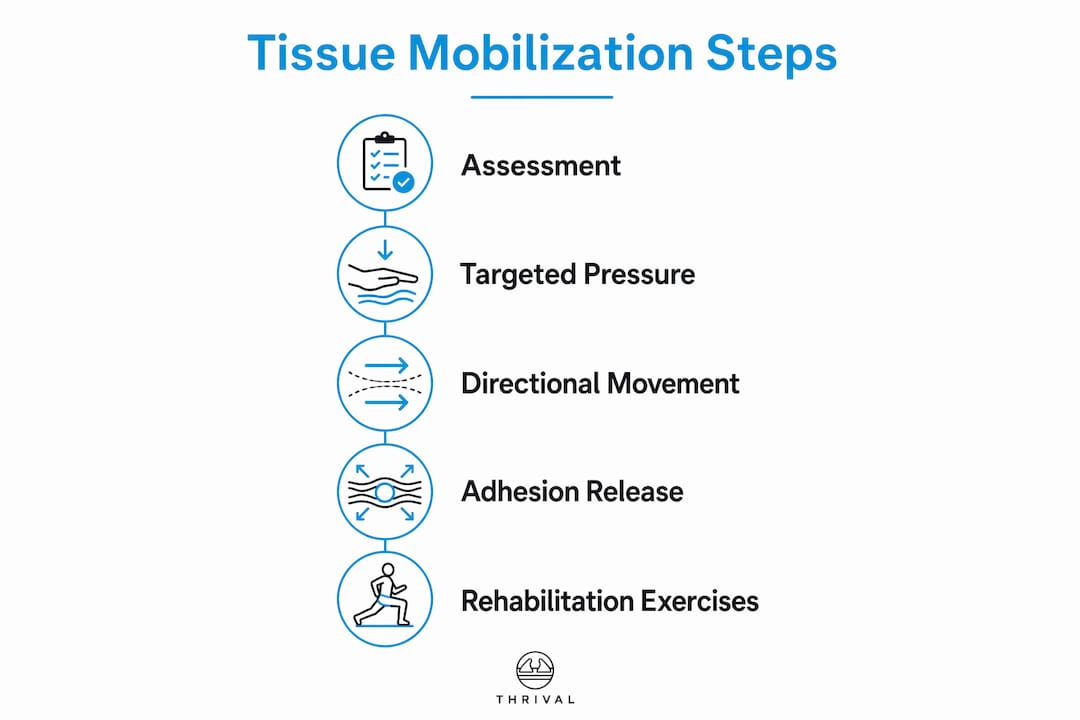
For athletes managing recurring tightness, understanding the soft tissue therapy workflow used by professionals helps you communicate more effectively with your therapist and set realistic session goals.
What are the benefits of tissue mobilization for recovery and mobility?
The benefits of tissue mobilization are well-documented across clinical research, and they go beyond simple pain relief.
“Long-term mobility improvements rely on combining tissue mobilization with functional movement retraining and strengthening.” — Foothills Physical Therapy Group
A meta-analysis published in the European Journal of Medical Research confirms that IASTM significantly reduces pain and improves joint range of motion after approximately four weeks of treatment, with statistically significant results in chronic neck pain populations. Four weeks is a short window for meaningful clinical change, which underscores how targeted this therapy is compared to general exercise alone.
The core benefits include:
- Pain reduction: Direct pressure on adhesions interrupts the pain-restriction cycle by restoring normal tissue mechanics.
- Increased range of motion: Releasing fascial restrictions allows joints to move through their full intended range.
- Faster injury recovery: Tissue mobilization for injury recovery accelerates healing by improving circulation to damaged tissue and reducing fibrotic buildup post-surgery or acute injury.
- Chronic condition management: Conditions like tendinitis, frozen shoulder, and lower back pain respond well to repeated STM sessions combined with targeted exercise.
- Improved muscle function: When adhesions are cleared, muscles fire more efficiently and with less compensatory strain on surrounding structures.
The research also shows that combining IASTM with exercise therapy produces significantly better outcomes than STM alone, including greater pain reduction, improved joint function, and stronger muscle endurance. This is the most important clinical finding for anyone planning a recovery program: tissue mobilization is a catalyst, not a standalone cure.
For a broader look at how these benefits connect to active lifestyles, the evidence-based benefits of soft tissue release are worth reviewing alongside your therapist’s recommendations.
How does tissue mobilization differ from massage and other manual therapies?
The difference between tissue mobilization and relaxation massage is not just about pressure. It is about clinical intent.
| Feature | Tissue mobilization | Relaxation massage |
|---|
| Primary goal | Release adhesions, restore movement | General relaxation, stress reduction |
| Pressure depth | Deep, targeted, directional | Broad, moderate, flowing |
| Patient involvement | Active feedback required | Passive experience |
| Clinical basis | Diagnostic assessment drives technique | Comfort and preference drive technique |
| Expected sensation | Therapeutic discomfort is normal | Comfort throughout is the goal |
Soft tissue mobilization targets mechanical dysfunctions with precise pressure and directionality, while relaxation massage focuses on general well-being through broader strokes. A physical therapist performing STM is working from a diagnosis. A massage therapist working on general relaxation is responding to comfort preferences. Both have value, but they serve different purposes.
Within physical therapy, STM sits alongside joint mobilization, dry needling, and therapeutic ultrasound as a modality within a broader treatment plan. It is rarely used in isolation. Therapists typically combine it with corrective exercise, neuromuscular re-education, and movement retraining to address the root cause of the restriction.
Pro Tip: If your goal is injury recovery or restoring range of motion after surgery, request a licensed physical therapist rather than a general massage therapist. The diagnostic component of STM is what makes it clinically effective.
What to expect during and after tissue mobilization treatments
Knowing what to expect from a tissue mobilization session removes the guesswork and helps you get more out of each appointment.
- Assessment first. Your therapist begins with a physical assessment to identify restricted tissue areas, movement limitations, and pain patterns. This diagnostic step determines which techniques and tools are appropriate.
- Targeted technique application. The therapist applies specific pressure to identified adhesion sites, adjusting direction and depth based on your feedback. Patients benefit most when they actively communicate their comfort level throughout the session.
- Therapeutic discomfort is normal. STM sessions are not designed to feel relaxing. Mild bruising or soreness after instrument-assisted work is common and expected, particularly in the first few sessions. This reflects the depth of tissue work being performed.
- Post-session exercises. Your therapist will prescribe specific mobility or strengthening exercises to perform between sessions. Without follow-up exercises, gains from STM often revert over time. This is the step most people skip, and it is the step that determines long-term results.
- Progress tracking. Expect reassessment at regular intervals to measure range of motion improvements and adjust the treatment plan accordingly.
The number of sessions varies by condition severity. Acute injuries may resolve in four to six sessions. Chronic conditions like long-standing tendinitis or post-surgical scar tissue typically require eight to twelve sessions or more.
Pro Tip: Apply light heat to the treated area for 10 to 15 minutes after a session to support circulation and reduce post-treatment soreness. Avoid aggressive stretching immediately after, as tissue is temporarily sensitized.
A structured approach to muscle tension relief between professional sessions helps maintain the progress your therapist achieves in the clinic.
Key takeaways
Tissue mobilization works because it combines diagnostic precision, targeted pressure, and rehabilitation exercises to address the mechanical root cause of pain and restricted movement.
| Point | Details |
|---|
| Core definition | Tissue mobilization releases soft tissue restrictions through targeted, directional pressure on muscles, fascia, and tendons. |
| Techniques vary by need | Manual methods like strain-counterstrain and instrument-assisted IASTM each address different tissue depths and conditions. |
| Evidence-backed benefits | IASTM reduces pain and improves range of motion in approximately four weeks when combined with exercise therapy. |
| Not the same as massage | STM is clinically driven by diagnosis; relaxation massage targets comfort and general well-being. |
| Exercises are non-negotiable | Gains from tissue mobilization revert without consistent follow-up strengthening and mobility work. |
Why most people misunderstand what tissue mobilization actually is
People walk into their first STM session expecting something close to a deep tissue massage. They walk out surprised, sometimes sore, and occasionally unsure whether the therapist did something wrong. That reaction is almost universal, and it points to a real gap in how tissue mobilization is explained before treatment begins.
The biggest misconception I see is the belief that more discomfort means faster results. It does not. Overaggressive treatment creates tissue irritation without improving outcomes. The most effective sessions are the ones where the therapist and patient are in constant communication, adjusting intensity to stay in the productive zone between too light and too aggressive.
The second misconception is that tissue mobilization alone solves the problem. It does not. The therapy breaks down the restriction. The exercises rebuild the movement pattern. Without both, you are treating the symptom repeatedly rather than resolving the cause. I have seen people complete eight sessions of excellent STM and return three months later with the same restriction because they skipped the prescribed exercises.
What I find genuinely promising is the trajectory of instrument-assisted techniques. The research on IASTM continues to strengthen, and the tools themselves are becoming more accessible outside clinical settings. The gap between professional therapy and informed self-care is narrowing, which is good news for anyone managing chronic tightness or post-injury recovery at home.
— Cameron
Support your recovery with Thrival between sessions
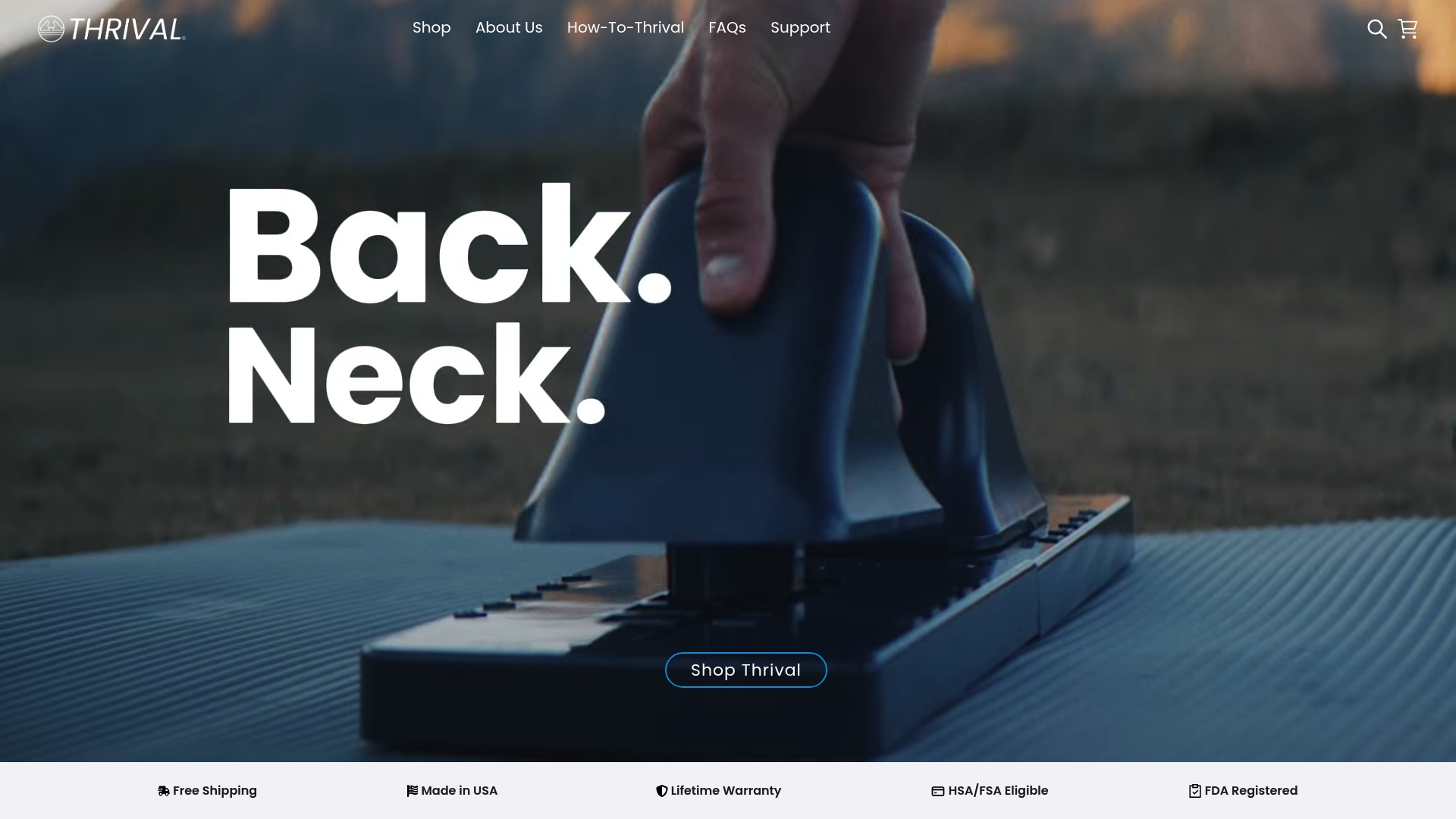
Professional tissue mobilization sessions create real change in your soft tissue, but the work you do between appointments determines how well those results hold. Thrival’s Deep Tissue Pro is a non-motorized recovery board designed for targeted muscle release at home. The system uses interchangeable attachments, including the Wave, Bullseye, Arch, and Ballhead, to replicate the directional pressure and localized focus of professional STM on areas like the back, hips, neck, and shoulders. It is FDA-registered, built in the US, and backed by a lifetime warranty. Pair it with the Thrival app for guided routines that complement your therapist’s treatment plan and keep your tissue work consistent between clinic visits.
FAQ
What is the definition of tissue mobilization?
Tissue mobilization is a manual therapy technique that applies targeted pressure and directional movement to muscles, fascia, tendons, and ligaments to release restrictions and restore normal movement. It is performed by licensed physical therapists using hands or specialized instruments based on a clinical diagnosis.
How does tissue mobilization differ from stretching?
Stretching lengthens muscles by moving joints through a range of motion, while tissue mobilization directly addresses adhesions and scar tissue within the soft tissue layers themselves. Stretching works on muscle length; tissue mobilization works on tissue quality and the mechanical barriers limiting movement.
Is tissue mobilization painful?
Therapeutic discomfort is normal and expected, particularly with instrument-assisted techniques like IASTM. Mild soreness or bruising after a session reflects the depth of tissue work performed, not an error in technique. Intensity is always adjusted based on patient feedback and diagnosis.
How many sessions does tissue mobilization take to work?
Acute injuries typically respond within four to six sessions, while chronic conditions like tendinitis or post-surgical scar tissue may require eight to twelve or more. Research shows statistically significant improvements in pain and range of motion after approximately four weeks of IASTM treatment.
Can tissue mobilization be done at home?
Self-administered tools can replicate some of the pressure and directionality of professional STM for maintenance between clinic sessions. Devices with targeted attachments, like those offered by Thrival, allow you to apply focused pressure to specific muscle groups. For acute injuries or post-surgical recovery, professional assessment and treatment should come first.
Recommended